Parijat Ghosh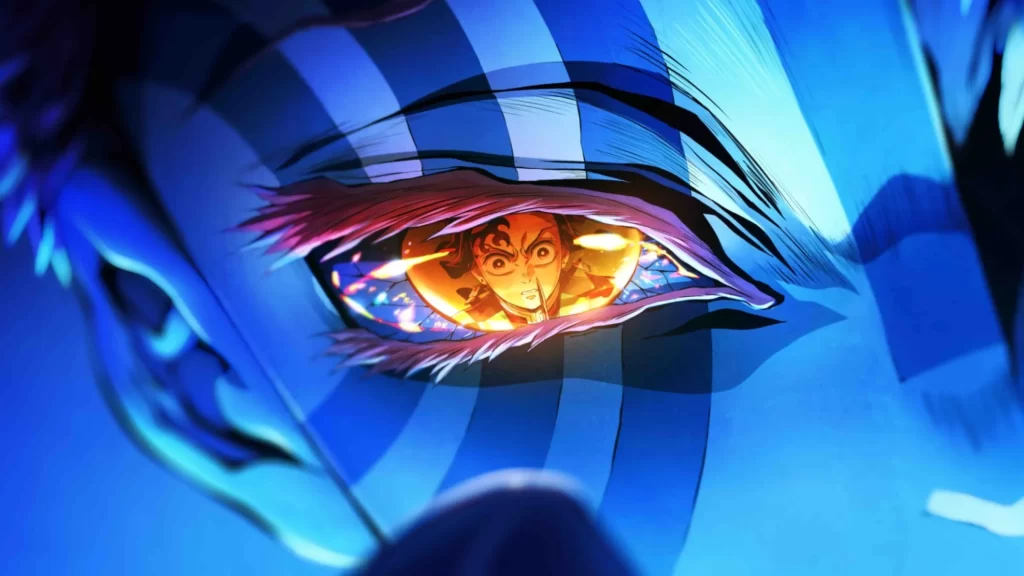
On September 12, 2025, Demon Slayer: Kimetsu no Yaiba – Infinity Castle stormed into Indian theatres. The buzz was insane—over ₹10 crore in advance bookings, sold-out IMAX halls, and even 5 AM screenings. That’s Bollywood-level hype for an anime film. The question wasn’t whether the movie would deliver (everyone knew it would), but whether the audience would. Spoiler alert: they absolutely did.
Demon Slayer: Infinity Castle Steals the Spotlight
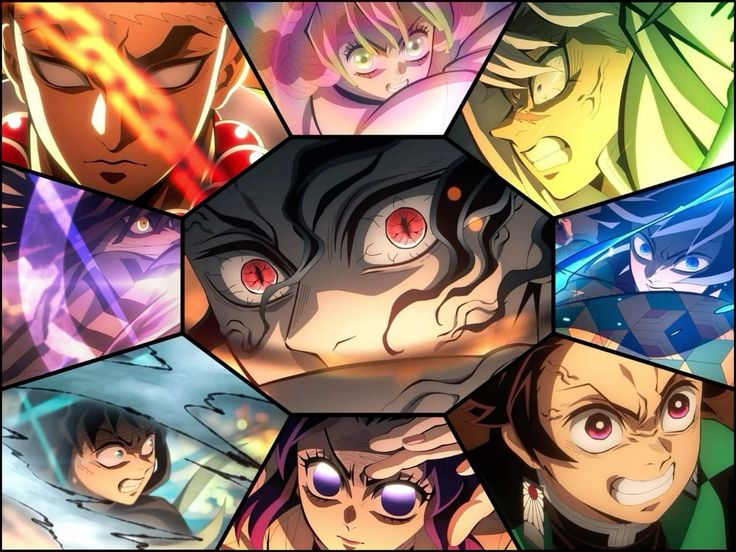
Infinity Castle is a feast for the eyes. The battles inside the surreal, shifting castle were a spectacle in and of themselves. Particularly when Zenitsu and Akaza performed, the audience clapped, screamed, and gasped.
It wasn’t just action, though. The movie leaned heavily on emotional arcs, providing viewers with heartbreaking backstories and poignant closure. This wasn’t just another anime film for many people. It was the year’s most memorable event.
Fans saw those quieter moments as emotional pillars, but critics did point out that the action was broken up by slower flashbacks or pacing dips. Even so, the theatres were filled out.
Did Demon Slayer: Infinity Castle Do Better Than Mugen Train? Obviously

To understand Infinity Castle’s reception, we have to rewind to 2021’s Mugen Train. That film was anime’s breakout moment in Indian theatres. The release was more limited—fewer screens, no 5 AM madness, and barely any dubbed versions.
Globally, though, Mugen Train was unstoppable. It became Japan’s highest-grossing film of all time, pulling in ¥40.75 billion (over $500M) worldwide. It set the standard for anime films everywhere.
In India, its numbers weren’t as heavily reported, but it definitely planted the flag for anime on the big screen. Without Mugen Train, Infinity Castle probably wouldn’t have had the chance to go this big.
Audience Reaction: Then vs Now

-
Mugen Train: Enthusiastic but niche. Only core anime fans showed up, and screenings felt more underground.
-
Infinity Castle: Sold-out halls, early morning and midnight shows, families showing up with kids, and anime merch flooding theatres. It wasn’t just fans—it was mainstream.
Social media also tells the story. Mugen Train trends felt like fan-club chatter. Infinity Castle? It’s on mainstream timelines, trending alongside Bollywood biggies.
How Does Infinity Castle Release Impact the Anime Community In India?

So the impact? This changes the power dynamics. Indian anime fans feel validated. Distributors and cinemas are seeing that anime isn’t “niche” anymore but profitable, enough to justify premium pricing, larger scale releases, and weird-hour shows. The full fandom experience—from cosplay, fan screenings, midnight energy—turns watching anime into an event, not just a casual viewing. It builds community pride, gives creators reason to invest more locally (dubs, marketing, merch), and pushes anime from “imported curiosity” to mainstream pop culture presence in the country.
Conclusion: Why This Matters

An important finding of Demon Slayer: Infinity Castle is that the anime audience in India has grown up. It’s more varied, louder, and larger than before. Anime is becoming a major force at the box office and is no longer merely a subculture.
If the door was opened by Mugen Train, it was kicked down by Infinity Castle. What about the audience? Not at all disappointing—they showed Indian distributors that anime has genuine, enduring power, as evidenced by the cheers, tears, and record numbers of attendees.
If you have any questions regarding Demon Slayer, feel free to ask in the comments below. For more content, stay tuned. As usual, like, subscribe, and share our articles as we here are trying to build a community of people High on Cinema!