Love Through A Prism: A Show That Actually Colors Emotional Storytelling Like A Reflection Of A Prism
 Parijat Ghosh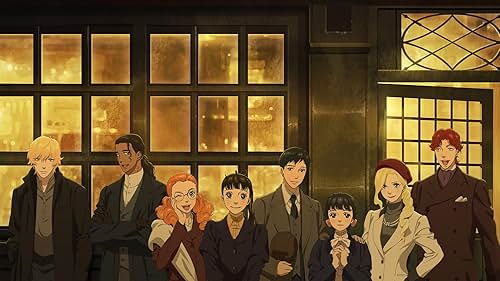
Netflix has been coming out with banger anime for the past few years. And yet, there was possibly no telling that something like Love Through A Prism was possible for them. I watched it for a week to truly understand what the show was at its core. And here is everything I have to say about this anime.
Love Through A Prism: The Premise
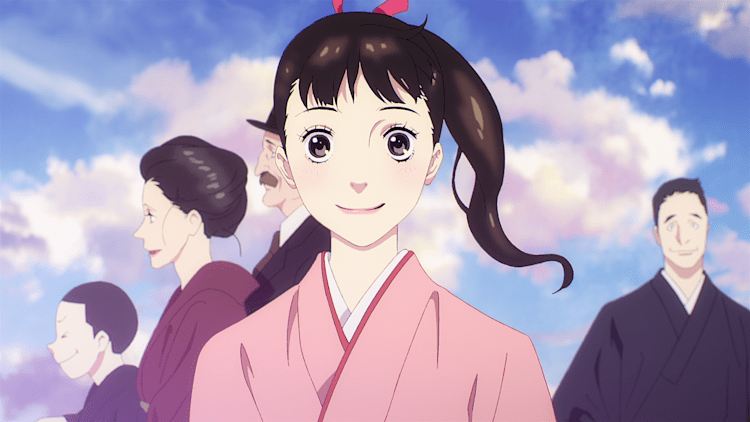
Love Through a Prism is a historical romance anime set in early-1900s London. The story blends art, ambition, and cross-cultural relationships in a coming-of-age narrative.
The series follows Lili Ichijoin, a determined Japanese exchange student who travels to London to study painting at the prestigious Saint Thomas Art Academy. She arrives with intense pressure from her family: she must rank at the top of her class within six months or return home and abandon her artistic dreams.
At the academy, Lili meets Kit Church, a brilliant yet emotionally distant aristocratic student known for his artistic talent. Their relationship begins as an assumed rivalry but slowly evolves into a tender, complicated romance built on shared passion for art.
The Core: A Prism-Like Reflection Of Emotions

At its core, the anime is less about falling in love and more about learning how to understand love. The story follows characters navigating grief, memory, and emotional distance, while a recurring prism motif visually represents the way feelings shift depending on perspective. Each hue reflects an emotional state, turning the act of perception into a central narrative device.
Lili’s connection to Kit was the biggest proof of how well the “prism” metaphor works in this show. There were circumstances: the first ride to watch the cave of white lillies, then visiting Kit’s manor and experiencing his real identity as an aristocrat, then the realization of his execellence of art and where it comes from. And, lastly, the loss of possibly never being a part of his life.
The shifts of perceptions, situations, and their outcome on Lili’s feelings were different and yet the same each time. She knew she respected him, then even loved him, and each time she would realize why she couldn’t be with him. No matter the reason, either his social position, his failure to confess, or… well (spoiler) his presumed death. Similarly, how the refracted colors from a prism may be the situations and circumstances, and the grief of love may be the white light.
An Unconventional Pacing
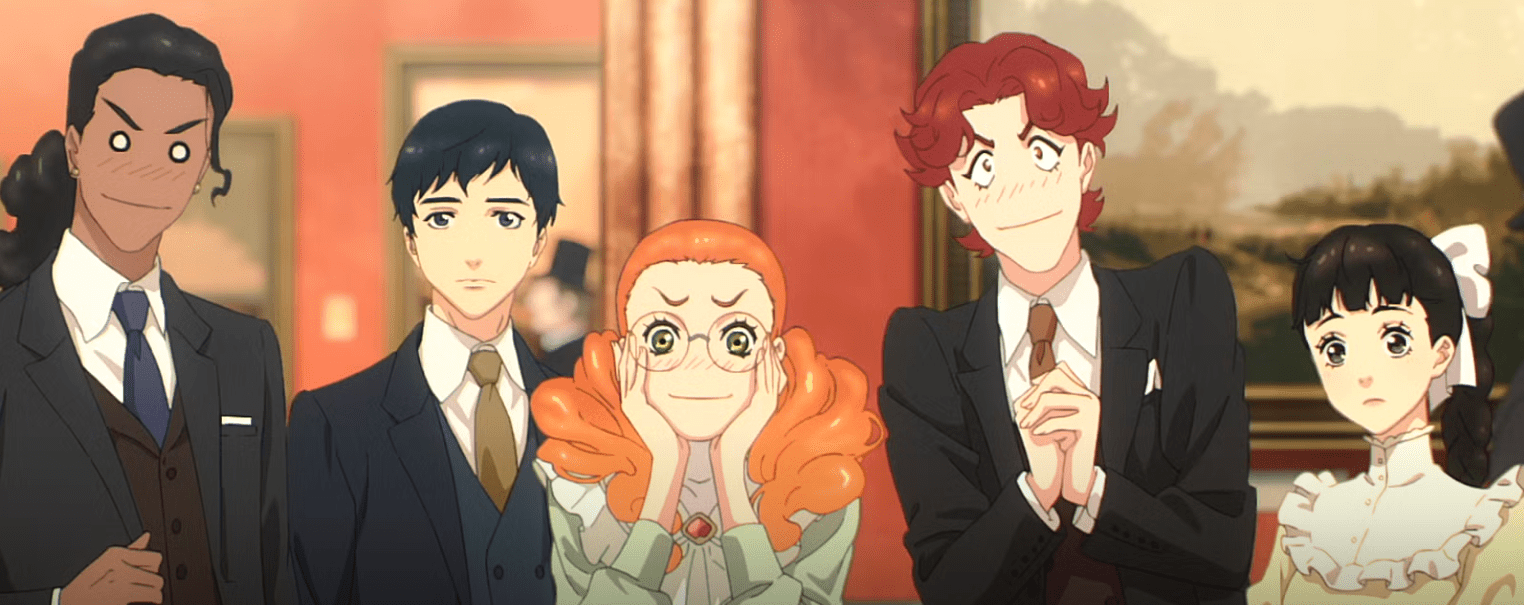
The pacing may feel slow for viewers expecting traditional romance beats. However, this deliberate rhythm allows emotional realism to breathe. Relationships evolve gradually, mirroring real life rather than idealized storytelling.
As compared to many romance anime, which also show the romance leads getting together at the very end, this show stretches it to really test us. There is an obvious competition phase, then realization, but to top it off, there was also a war outbreak. So, essentially, even if the ending did end on a satisfactory note, it took almost 20 episodes for the leads to really find each other.
Shin Was My Favorite Character

Shin (Shinnosuke), however, plays one of the most important roles beneath the surface. As Lili’s compatriot and emotional anchor, he bridges her past and present. While others represent new worlds and expectations, Shin represents home, identity, and stability.
In Episode 5, Shin quietly encourages Lili to stop imitating European styles and rediscover her own artistic voice. This moment reframes the show’s central theme: growth does not require abandoning where you came from. Later episodes subtly hint at his unspoken feelings and internal conflict, particularly when he supports Lili’s bond with Kit despite personal pain. Even when he sort of let her go at the end, while also follwing his dream to go to Italy that would have otherwise died.
Rather than dramatic confessions, Shin’s character is built through restraint, supportive gestures, and emotional maturity. He embodies the kind of love that prioritizes another person’s happiness over personal desire — devastating, noble, and very unfair to our tear ducts.
Fan truth: every romance anime needs a second lead who makes you question your loyalty. Shin fulfills that duty with quiet devastation and gentle wisdom.
The Clash of Art and Visuals

Animated by WIT Studio, the series pairs painterly backgrounds with soft lighting and color symbolism that reflect emotional states. London’s historic streets and academy interiors create a nostalgic atmosphere that feels both grand and intimate.
The show visually contrasts artistic philosophies. Lili’s expressive brushwork mirrors her emotional openness, while Kit’s precise compositions reflect restraint. By Episode 16, titled Colorless Cubism of the Heart, the visuals echo emotional fragmentation as Lili faces the possibility of returning to Japan. I personally think: It looks gorgeous… and yes, you will want to pause frames like you’re in an art museum.
Only Problem: The Missing Soul of 1900s Art

For a series set in early-1900s London and centered on art students, Love Through a Prism occasionally feels strangely detached from the real artistic revolution happening during that era. The time period was bursting with radical movements: Impressionism was reshaping light and perception, Post-Impressionists were breaking realism, and early Modernism was challenging the very definition of art.
The academy backdrop looks and feels evocative, but the story rarely engages with specific real-world art movements. This makes the historical feel more atmospheric than instructional. That said, the decision may be intentional. By keeping the artistic references broad, the story remains accessible to viewers unfamiliar with art history. It focuses on emotional truth rather than academic authenticity.
Final Verdict
Rating: ★★★★☆
Love Through a Prism succeeds because it treats love not as a lightning strike, but as a spectrum. Through layered characters, expressive visuals, and emotionally grounded storytelling, it captures the messy beauty of connection.
Is it perfect? No. The pacing occasionally lingers, and the slow burn might test impatient viewers. But if you appreciate character-driven romance and art-infused storytelling, this series delivers.
What are your thoughts on Love Through a Prism? Let us know in the comments below. For more content, stay tuned. As usual, like, subscribe, and share our articles as we here are trying to build a community of people High on Cinema!