Abheet Gupta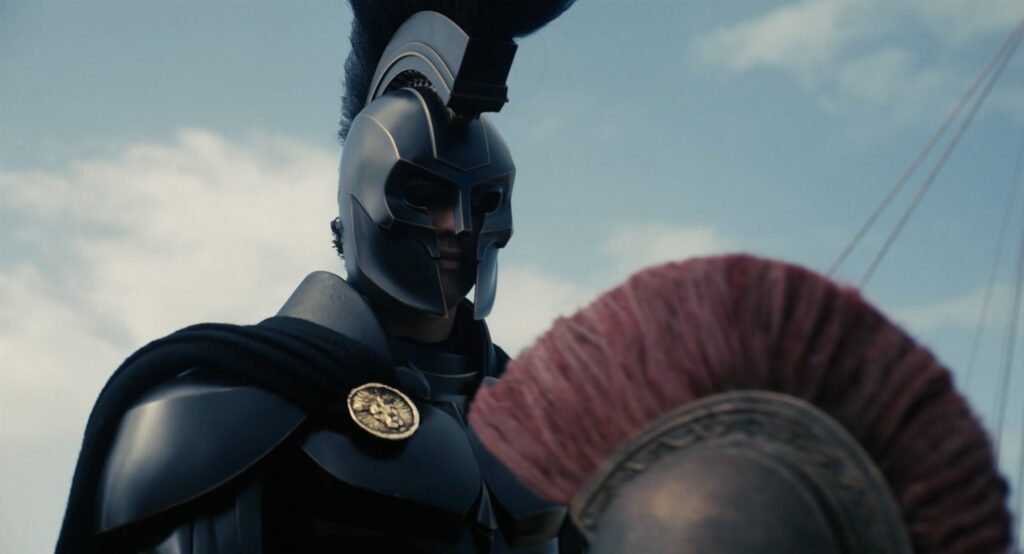
The long-awaited trailer for The Odyssey is finally here, and by every measure, it is epic. From its sweeping imagery to its brooding atmosphere, the film already feels like a monumental cinematic undertaking. If the trailer is any indication, Ludwig Göransson’s thunderous score and Hoyte van Hoytema’s awe-inspiring cinematography seem poised for yet another awards-season conversation.
However, unlike the sun-drenched heroics of Troy (2004) or the grandeur traditionally associated with Homer’s text, The Odyssey appears grim, restrained, and heavy with dread. But that should surprise no one as this is a Christopher Nolan film. The tone suggests not glory, but endurance; not triumph, but survival. It feels closer in spirit to modern period fantasy epics than to classical sword-and-sandals cinema. And yet, amid all its power, the trailer is missing one crucial element – the gods.
The Gods and the Epic Cycle

Readers and scholars alike know that The Odyssey of Homer does not exist in isolation. It is part of the Epic Cycle, a collection of eight (sometimes cited as ten) interconnected epics chronicling the Trojan War and its aftermath. Of these, The Iliad is traditionally considered the second, and The Odyssey the seventh. The remaining works have largely been lost to time, surviving only in fragments and references.
What is often overlooked in modern adaptations is that the Epic Cycle is as much a story of gods as it is of men. Olympians, nymphs, demigods, river gods, and lesser deities are not background figures but the architects of fate. From the Judgment of Paris to the curse laid upon Odysseus, divine intervention drives nearly every major event. Unfortunately, cinematic adaptations have not been kind to this aspect. Troy famously removed the gods altogether, grounding the story entirely in human politics and warfare. Nolan, too, has suggested a grounded approach but not an absent one.Here’s what he had to say:
“One of the things I needed to crack was how to approach mythological elements in a sort of real-world way. The big breakthrough creatively in thinking about the gods was that everything that is now explained by science was once supernatural… People are literally seeing gods everywhere; not even the evidence of gods, they’re seeing the actions of gods.”
This suggests that the gods may not appear in grand, anthropomorphic form but rather be felt through nature, catastrophe, and fate itself.
Gods That Must Be in The Odyssey (Without Spoilers)
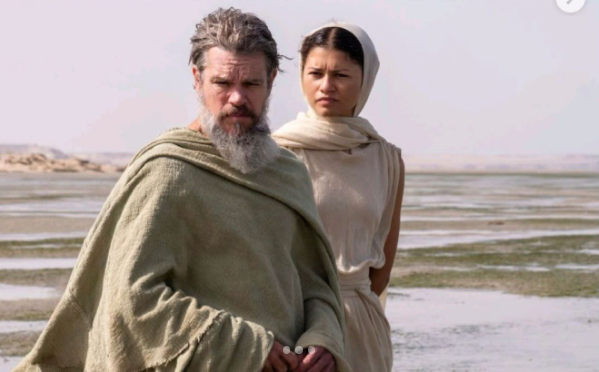
We already know that figures like Polyphemus the Cyclops, and possibly the Sirens and Scylla, will appear. But divine forces are essential for the narrative to truly function. Here are the gods and immortal beings that must play a role, whether seen or unseen.
1. Pallas Athena: Confirmed to be portrayed by Zendaya, Athena is one of the Twelve Olympians and the spiritual backbone of The Odyssey. Protector, strategist, and guide, she is the counterbalance to Poseidon’s wrath and the reason Odysseus survives as long as he does.
2. Circe: Portrayed by Charlize Theron, Circe is an enchantress of immense power, often described as both goddess and nymph. Daughter of Helios and the Oceanid Perse, she represents temptation, wisdom, and transformation in Odysseus’ journey.
3. Calypso: A sea nymph and daughter of Atlas, Calypso is indispensable to the story. Entire sections of The Odyssey hinge on her presence. While casting remains unconfirmed, early speculation has pointed toward Lupita Nyong’o.
4. Poseidon: The god of the sea is the very force that defines the journey. Son of Cronos and brother to Zeus, Poseidon’s anger turns the sea itself into an enemy. Whether he appears physically or exists as an omnipresent menace remains to be seen.
5. Zeus: King of Olympus and arbiter of fate, Zeus plays a subtle but decisive role, sometimes permitting and directly causing Odysseus’ suffering, sometimes helping curb it. His presence is vital, even if largely limited to counsel and decree.
6. Helios: The Sun God, son of Zeus, plays a critical role in one of the epic’s most consequential arcs. While the film could function without a literal appearance, his absence would significantly weaken the mythological weight.
7. Hermes: The Wayfinder, messenger of the gods and guide of travelers, Hermes does not dominate the narrative, but he acts as a bridge between Olympus and mortals, fate and choice.
Beyond these figures, nearly all Olympians exert influence over the journey, even when unseen. Hades and Persephone are frequently invoked, and Olympus itself is a place of constant debate, judgment, and interference.
What Remains a Mystery in Nolan’s The Odyssey
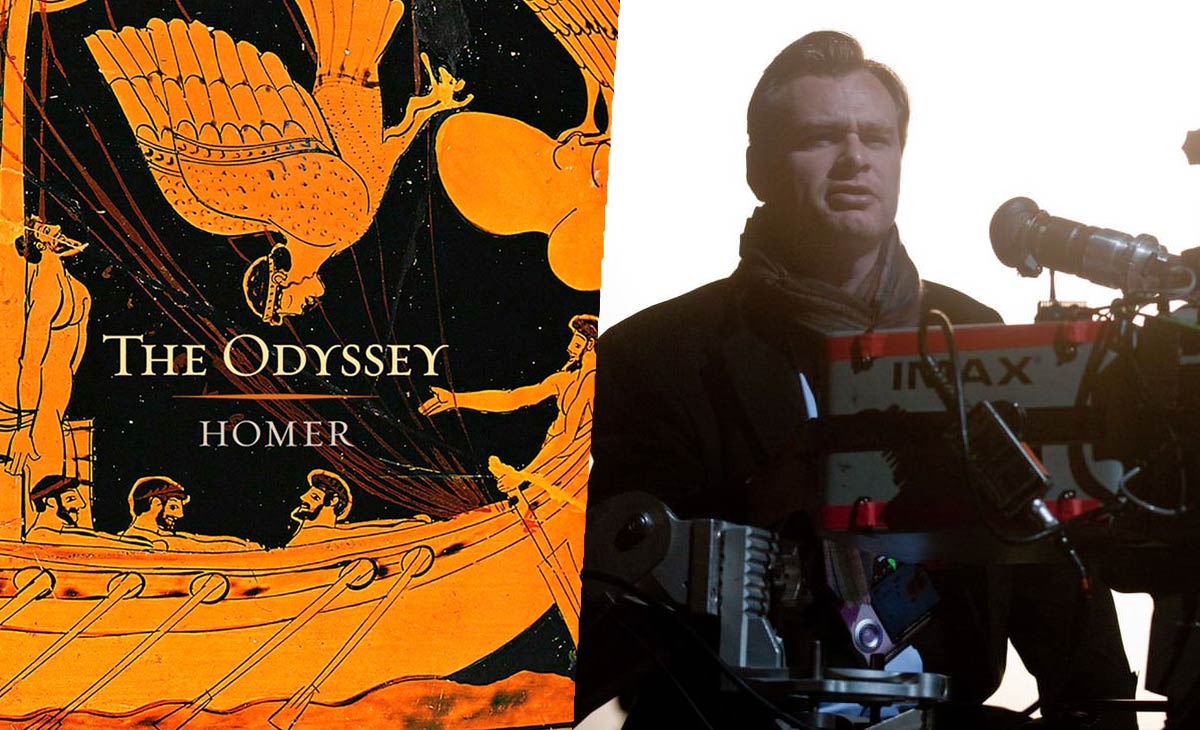
Whether Nolan chooses to depict Olympus directly or reduces divine presence to whispers, visions, and forces of nature remains unknown. It would not be surprising if we see no shot of Olympus or if the Underworld is stripped of grandeur and rendered as a bleak, desolate land rather than a fully realized mythological realm.
Still, one thing is certain: to tell The Odyssey without the gods is to tell only half the story. If the divine is absent from the screen, it must at least be present in the air, the sea, the storm, and the fate that follows Odysseus wherever he goes. Because in Homer’s world, the gods are ever present, ever watchful, and ever meddling!
If you have any questions regarding The Odyssey, feel free to ask in the comments below. For more content, stay tuned. As usual, like, subscribe, and share our articles as we here are trying to build a community of people High on Cinema!