Abheet Gupta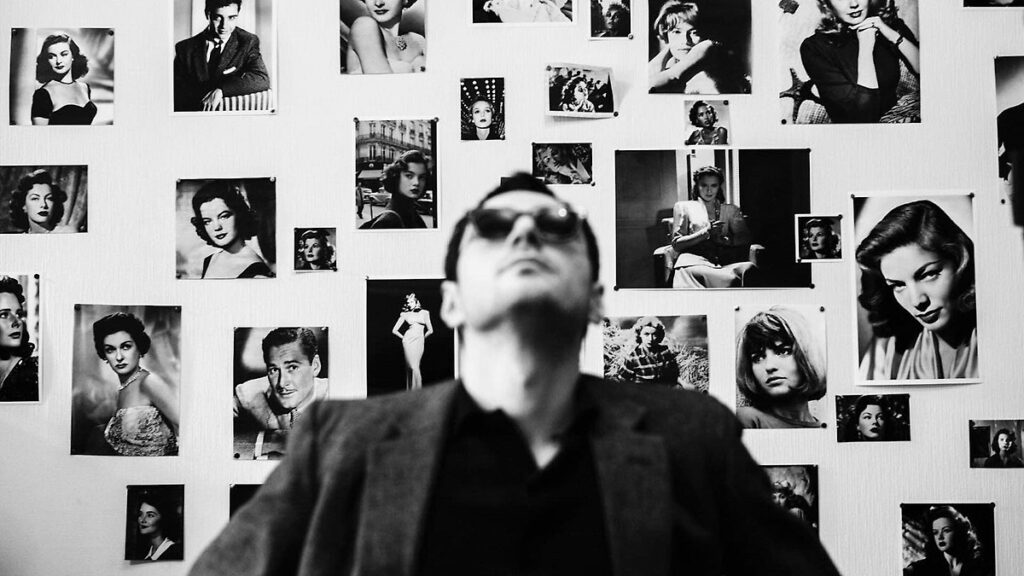
After waiting two whole years, I finally got to see one of my two most anticipated films by my favorite director—and yes, my thoughts are biased, but not without merit. Nouvelle Vague (New Wave) is a charming, freedom-filled ode to filmmaking itself, and it’s impossible for any self-respecting cinephile not to fall for it. Richard Linklater once again proves that he can pick up any subject, any form, any technique, and shape it into a damn good film.
This is not a traditional Linklater film but the familiar “Rick charm” and philosophical flavor are ever-present, waiting for fans to recognize them instantly. I’ve never been a big admirer of Breathless, but watching Nouvelle Vague unpack the spontaneity, ideas, and rebellion behind it completely shifted my perspective. This film made me admire Breathless. For that reason alone, it succeeds resoundingly as a film about film. But there are many more reasons to love it!
The Cast and Technique That Breathes the New Wave
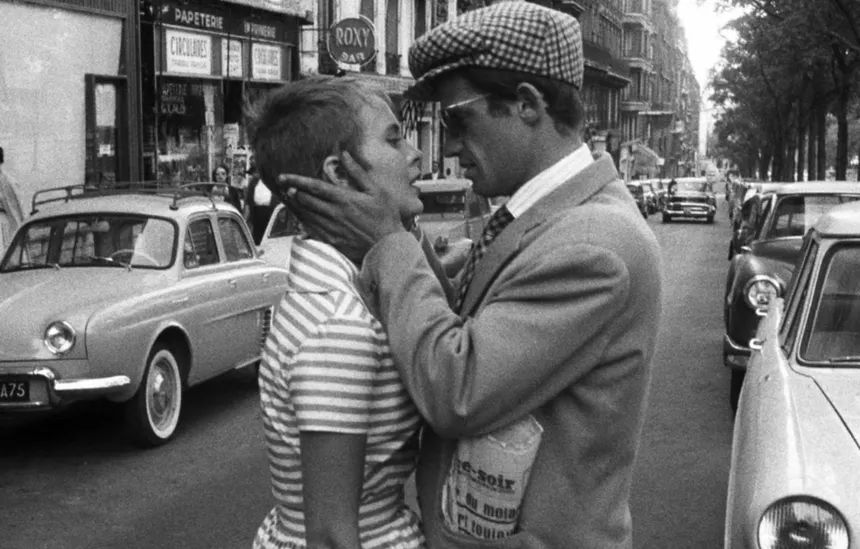
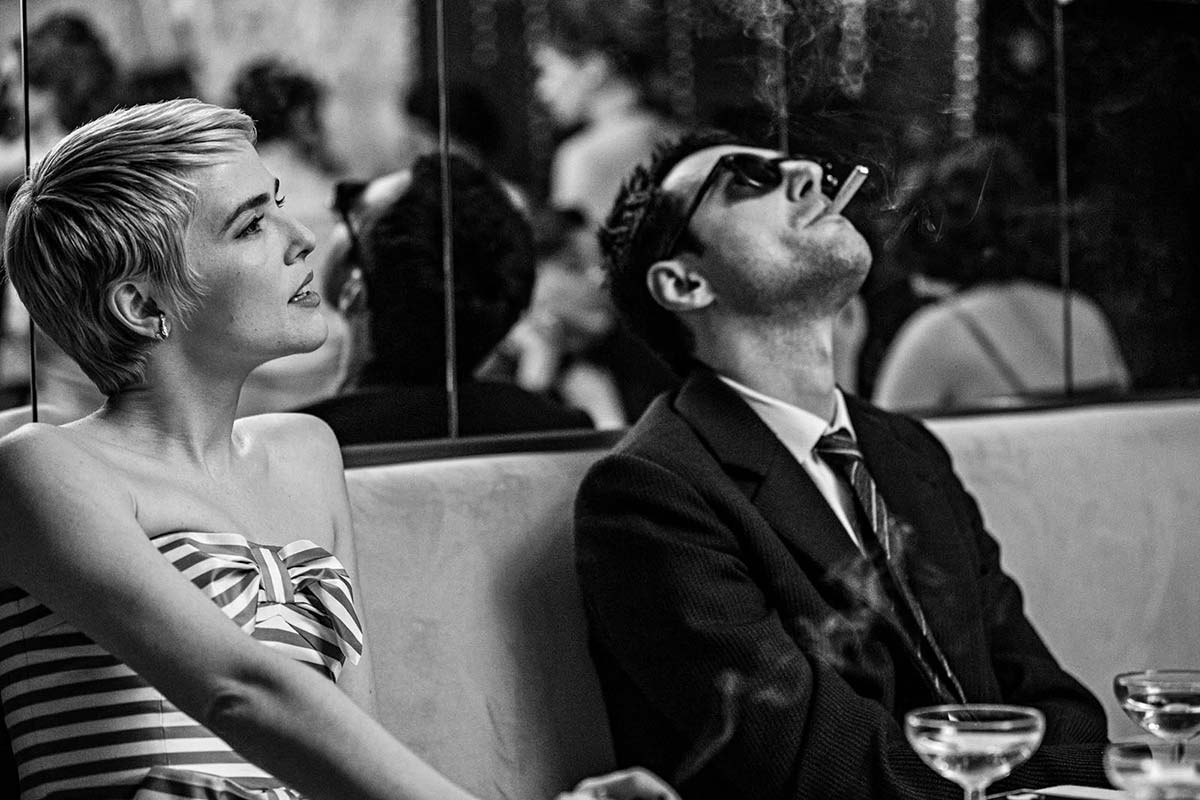
The casting is immaculate. Zoey Deutch and Aubry Dullin are unbelievably well-suited to their roles, feeling like they walked straight out of the French New Wave era. But the true star of the show is Guillaume Marbeck, who doesn’t just mimic Godard, he resurrects him. Marbeck captures JLG’s charm, swagger, contradictions, and his unmistakable sense of freedom.
Shot entirely on 35mm film, Nouvelle Vague embraces every bit of New Wave iconography: jump cuts, unconventional angles, street photography aesthetics, symbolic compositions, and that loose, restless camera that feels like it’s wandering with the characters. Breathless was shot in 20 days; this was reportedly shot in roughly a month—totally unnecessary information, but absolutely delightful.
This is a love letter to the French New Wave era, and a fitting tribute to one of cinema’s most influential movements.
A Time Machine to 1960s Cinema
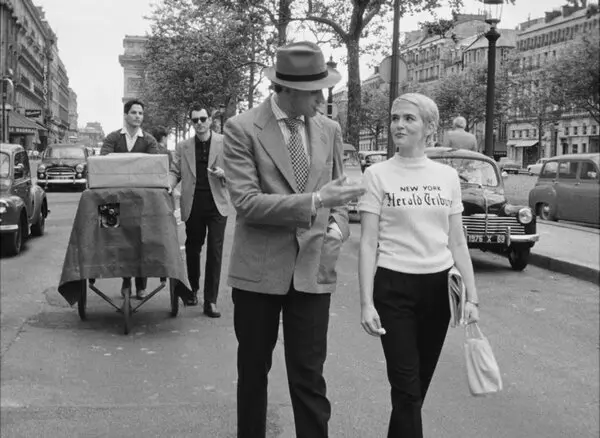
What truly elevates Nouvelle Vague is its technical artistry. The film is presented in a 4:3 aspect ratio, further grounding it in the era it’s paying tribute to. The grain-rich 35mm texture gives the visuals an almost tactile quality—you can feel the film with your eyes. The cinematography is incredible as well: natural light, handheld shots, those long on-the-street takes, the kind of rebellious framing that defined Godard and Truffaut.
The score is another triumph. With its unmistakable 60s French instrumentation and rhythm, it feels lifted straight from a Godard soundscape. Jazzy, playful, melancholic, and effortlessly cool – it’s the heartbeat of the film. Technically, the movie is a masterpiece of imitation in the best sense: a perfect recreation that still carries a modern filmmaker’s emotional clarity.
Linklater vs. Godard: Order Meets Chaos
In Linklater’s long filmography, the closest cousin to Nouvelle Vague would probably be Me and Orson Welles—a past-era homage with a keen interest in artistic legacy. But Nouvelle Vague surpasses it through better cast chemistry, stronger rhythm, and a more emotionally infectious energy.
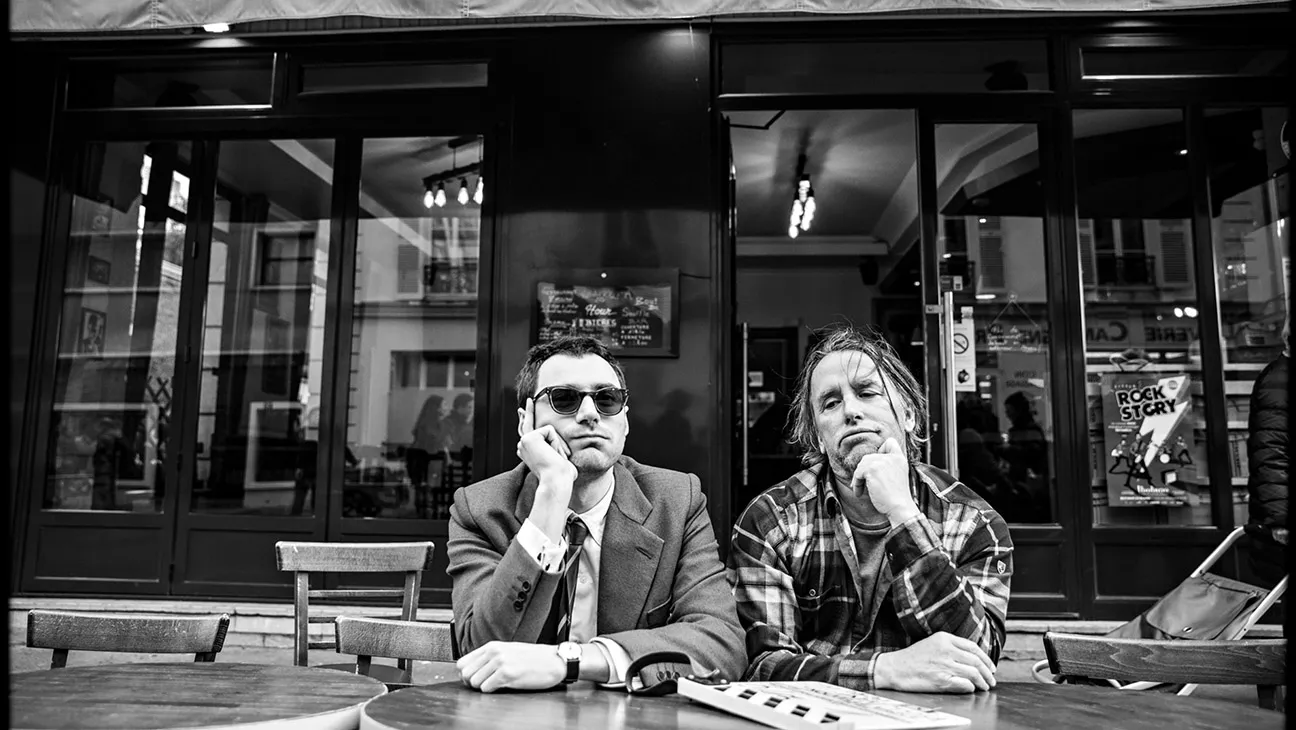
What’s remarkable is how Linklater, a self-described perfectionist—known for rehearsals, table reads, character workshops, and a near-obsessive attention to on-set detail—manages to capture Godard’s chaos. JLG often rewrote scenes on the spot, changed ideas mid-take, or shot sequences with barely a script. Pure spontaneity.
And yet, Linklater, who is stylistically the opposite, creates a film that feels as natural and free as Breathless. The looseness, the unpredictability, the sense that anything could happen, it’s all there. That contrast between Linklater’s discipline and Godard’s improvisation makes the film even more impressive. Rick didn’t imitate Godard; he absorbed him. For a filmmaker with a different creative DNA, this achievement deserves a standing ovation.
Final Words: A Bright, Bold Tribute and One of Linklater’s Finest
HOC Rating – ★★★★1/2
Nouvelle Vague doesn’t try to reinvent the wheel. It doesn’t claim to outdo Breathless or the French New Wave. Instead, it celebrates them with affection, curiosity, and incredible craft. It’s a film that understands the power of cinema history and plays in that sandbox with reverence and joy.
Without a doubt, Nouvelle Vague is one of the year’s best films and also one of the finest jewels in Richard Linklater’s long, brilliant, 20+ film career. A warm, stylish, beautifully made tribute that every cinephile should have on their watchlist.
If you have any opinions regarding Nouvelle Vague, feel free to share them in the comments below. For more content, stay tuned. As usual, like, subscribe, and share our articles as we here are trying to build a community of people High on Cinema!