Abheet Gupta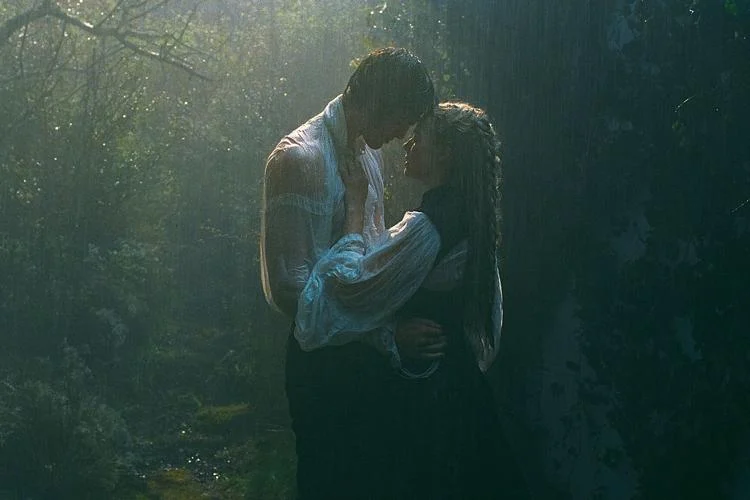
Few literary romances carry the haunting emotional gravity of Wuthering Heights. With immense talent both in front of and behind the camera, this new adaptation arrives with the promise of a sweeping gothic tragedy. What unfolds instead is a film torn between moods, aesthetics, and intentions resulting in an experience that is intermittently beautiful yet frustratingly hollow. So without further ado, let us take a deep dive into this messy Emerald Fennell adaptation of a distinct world by Emily Brontë.
A World Without a Consistent Soul
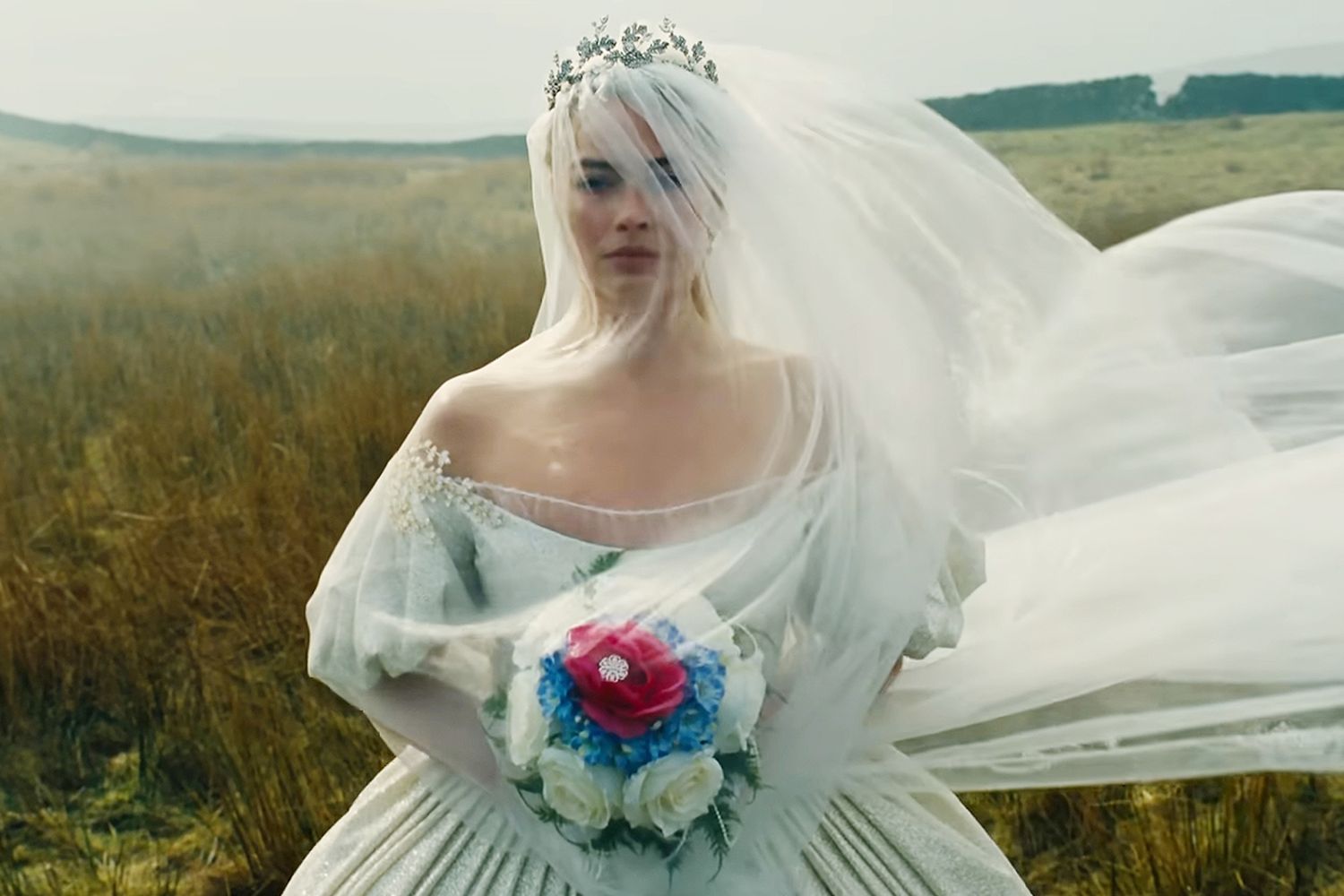
The film’s greatest struggle is tonal confusion. It never fully commits to being ethereal, gothic, or romantic, instead drifting awkwardly between mist-covered melancholy and strangely bright, almost fairy-tale-like presentation. Moments of heavy fog and brooding atmosphere clash with bursts of color and music that feel closer to Disney-style romanticism than windswept tragedy. This inconsistency of Emerald Fennell’s direction extends to the score, which oscillates between eerie, horror-leaning textures reminiscent of gothic cinema and glossy pop-infused melodies. Rather than deepening emotion, the music frequently disrupts immersion, making the emotional landscape feel uncertain and thematically scattered.
Adding to this disconnect are repeated symbolic “jelly/slime” visual motifs paired with exaggerated squishy sound design. Presumably intended to heighten sensual or psychological tension, these images instead feel misplaced and unintentionally uncomfortable which in fact, pull the viewer out of the narrative rather than drawing them deeper in.
Performances Trapped Inside Weak Direction
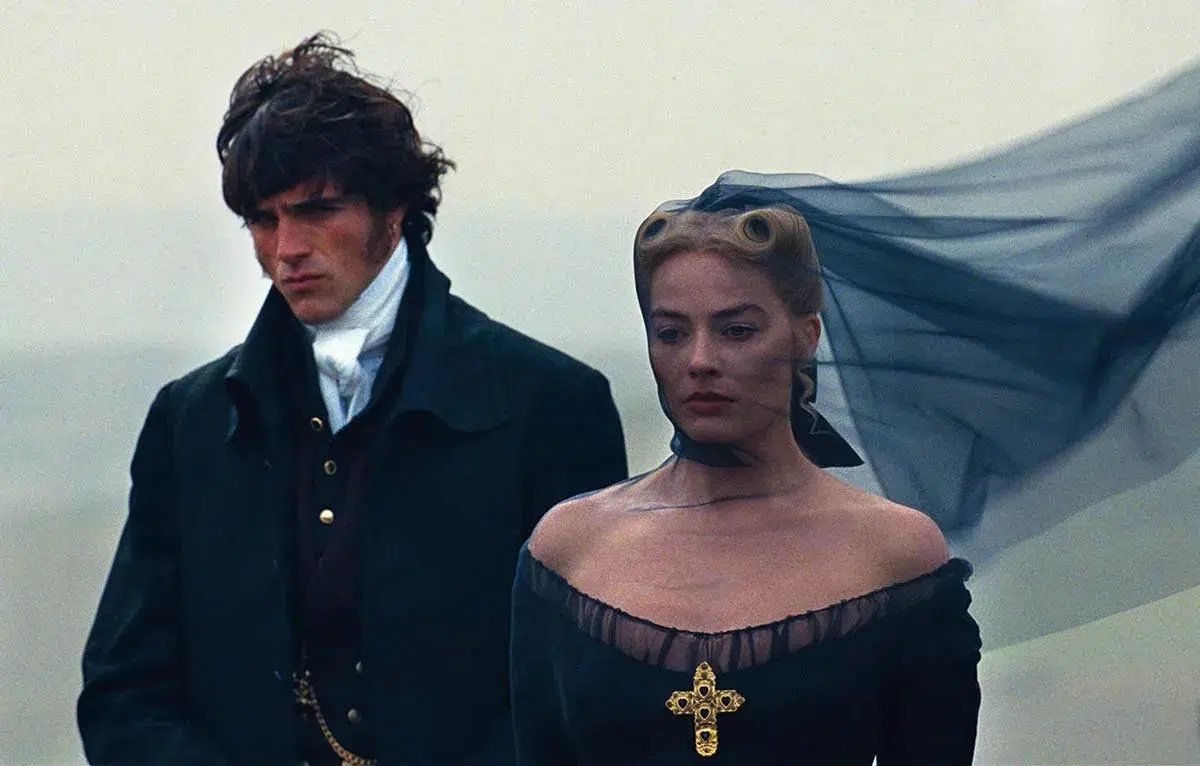
The central cast delivers moments of genuine intensity. Both leads find flashes of emotional truth and chemistry, suggesting the powerful film that might have existed under stronger guidance. Yet the direction rarely allows these performances to fully breathe, leaving iconic characters emotionally underdeveloped and lacking the needed chemistry. Heathcliff, in particular, lacks the shadowy mystique and dangerous allure that define him in gothic tradition.
Outside the two leads and Hong Chau’s grounded Nelly Dean, supporting characters feel thinly written, with several talented actors given little meaningful material. Some brilliant performers, such as Ewan Mitchell (The Last Kingdom and House of the Dragon) are almost entirely wasted, reduced to narrative background rather than emotional presence. Fans were likely also eager to see Owen Cooper, the Emmy- and Golden Globe-winning breakout from Adolescence, yet his portrayal of young Heathcliff remains frustratingly one-dimensional, existing largely to manufacture sympathy rather than reveal psychological complexity.
Even the childhood trauma sequences lean toward over-dramatization, prioritizing surface emotion over genuine interior depth. The result is a film populated by capable performers who seem stranded within an uncertain creative vision.
Beauty in the Frame, Confusion in the Vision
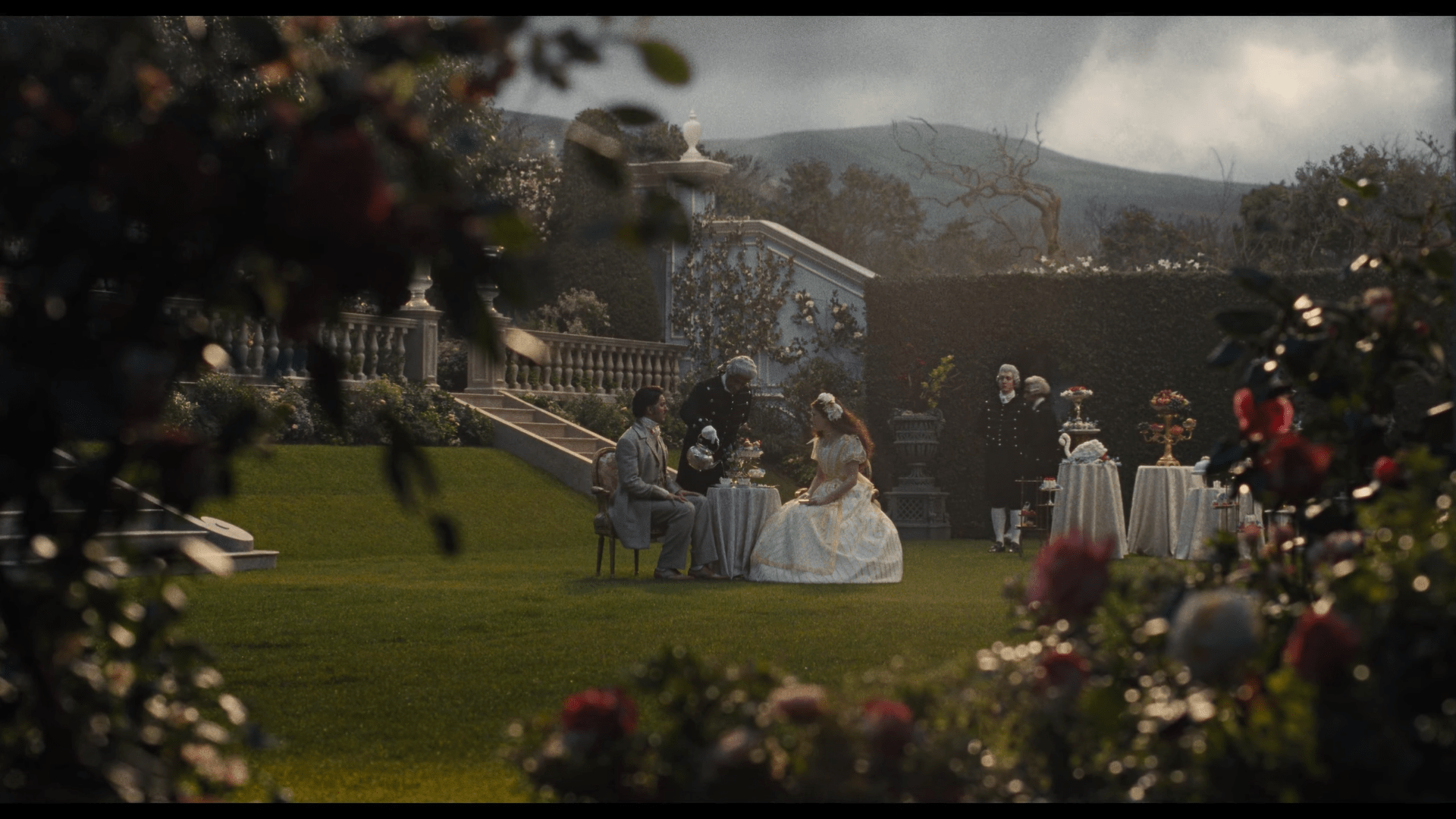
Ironically, the film’s strongest achievement is also what makes its failures more painful. Linus Sandgren’s cinematography is absolutely stunning being rich in texture, movement, and visual poetry. Individual frames carry the sweeping romanticism as well as the melancholy that story demands. But due to unclear direction this visual poetry never comes together as a whole feeling disjointed, almost like beautiful shots from two different genres of films playing.
The final twenty minutes, where tone and emotion finally align, reveal the haunting film this adaptation could have been. In those closing passages, atmosphere, performance, and visual language briefly synchronize into something genuinely affecting. Yet this late coherence only underscores how absent that clarity is for most of the runtime. If only the entirety of the film was like it’s final act…
Final Verdict
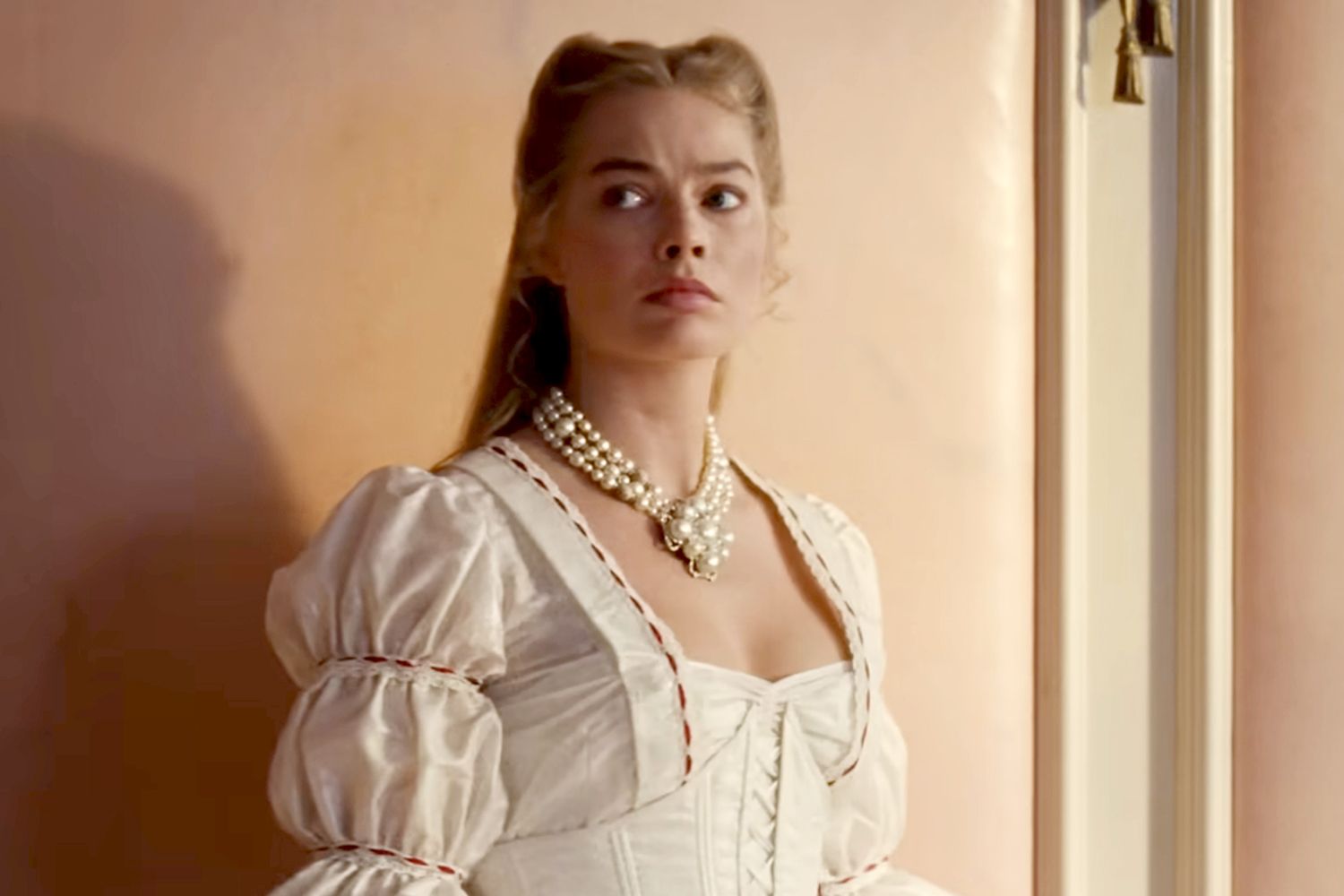
Rating: ★★☆☆☆
Despite flashes of beauty, strong technical craftsmanship, and committed performances, Wuthering Heights ultimately falters under the weight of its own indecision. Without a clear tonal identity or emotional through-line, the film struggles to immerse viewers in its tragic romance or make them truly care for its deeply flawed characters. What remains is a work of immense potential one that possesses all the right ingredients, yet never discovers the vision needed to bind them together.
One thing worth noting: if you do decide to watch the film, the ideal format is IMAX. Shot in Panavision with a constant 1.90:1 aspect ratio (filling the entire IMAX screen edge to edge for the full runtime) it has the technical foundation for a deeply immersive theatrical experience. Had the film’s tonal execution matched the strength of its visual presentation, it might well have been among the most transportive big-screen experiences of the year.
If you have any questions regarding Wuthering Heights, feel free to ask in the comments below. For more content, stay tuned. As usual, like, subscribe, and share as we here are trying to build a community of people High on Cinema!