Parijat Ghosh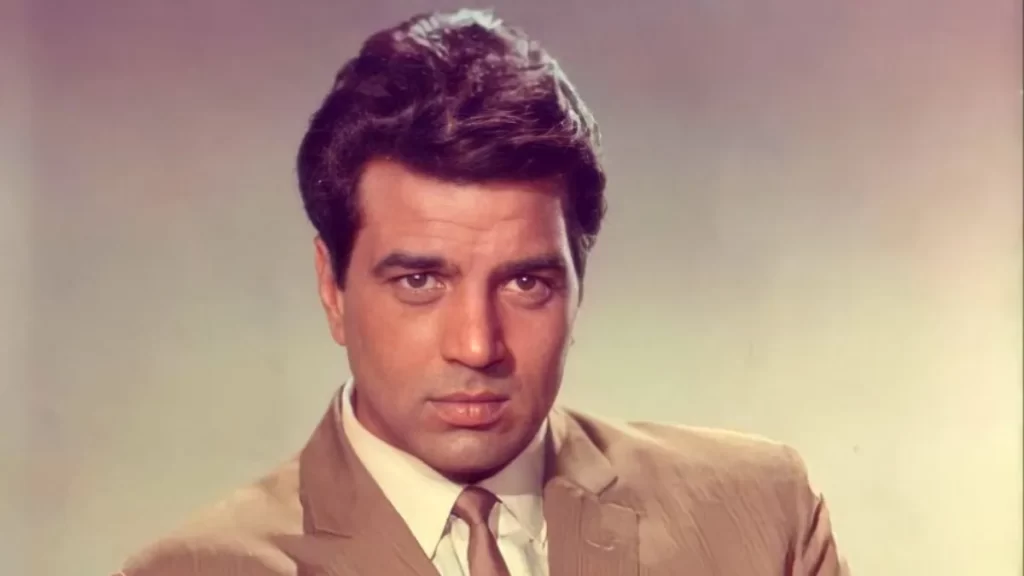
Dharmendra (Dharmendra Kewal Krishan Deol) aka Dharam Paaji wasn’t just a superstar from the past — he was one of the core architects of mainstream Hindi cinema. His career shaped the industry’s language of heroism, romance, masculinity, and mass entertainment for nearly five decades. When we talk about the “Golden Age of Bollywood,” his name isn’t optional; it’s foundational. So with his recent tragic demise, this is nothing but our humble attempt to pause and reflect on his legacy.
A Consistent Superstar Across Three Eras
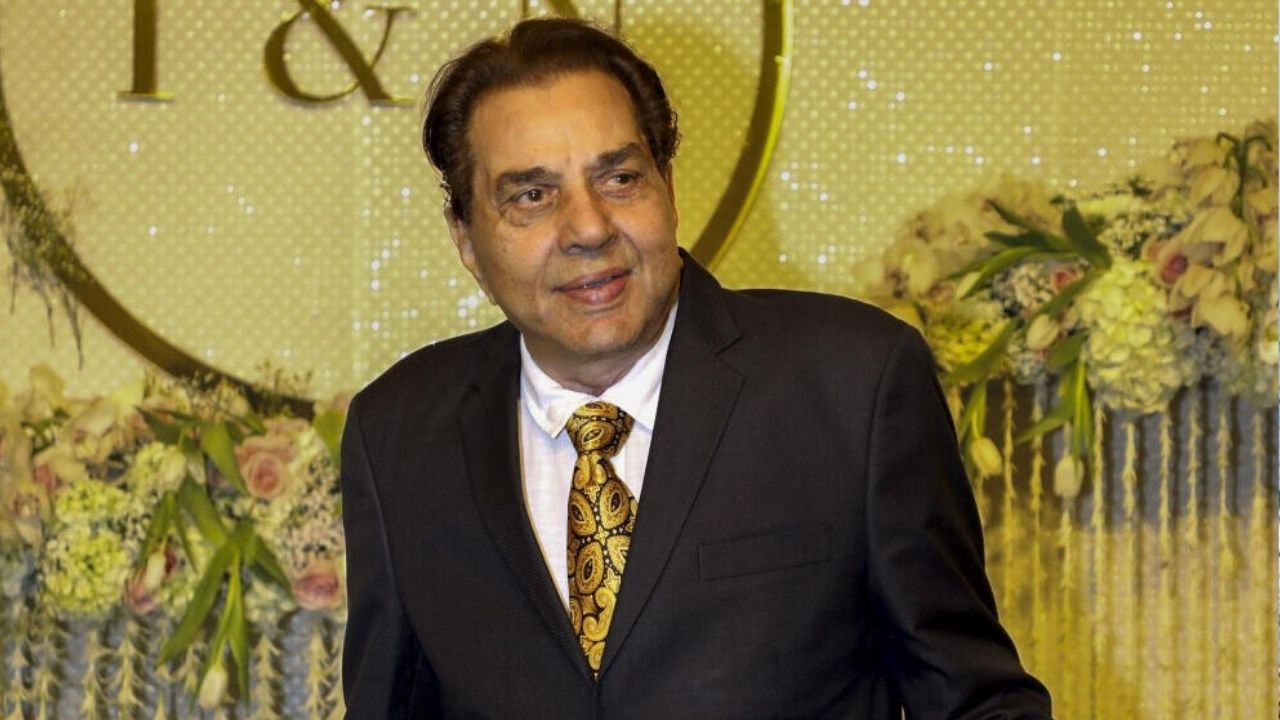
Most actors peak for a few years. Dharmendra stayed relevant for decades. From the 1960s soft-romantic era to the 1970s action wave to the 1980s family dramas, Dharmendra adapted without losing his identity. He worked with every major director and production house of his time, becoming the bridge between eras of changing cinematic tastes. This consistency gave Bollywood something priceless: stability. A dependable face that audiences trusted, no matter how trends shifted.
The Blueprint of the All-Round Hindi Film Hero
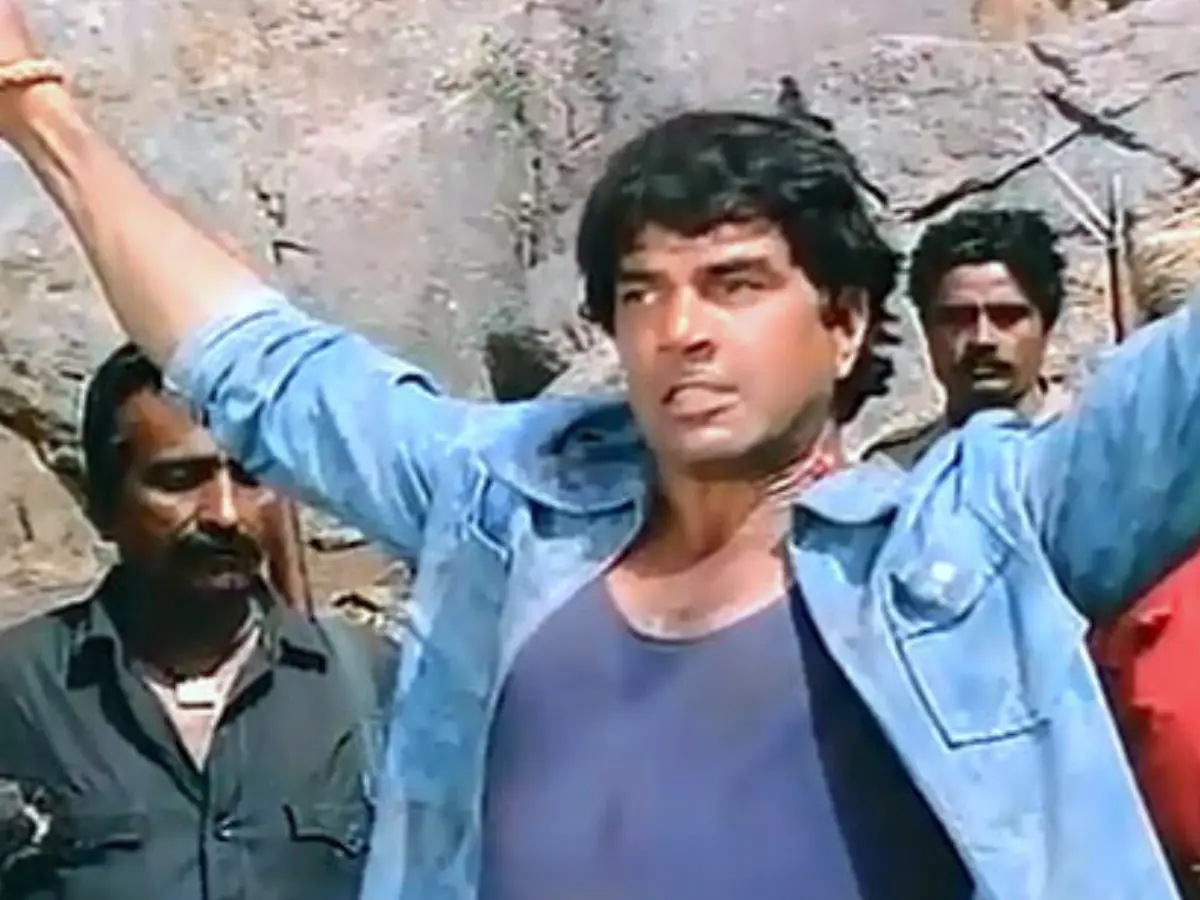
Before the industry split heroes into niches — action star, romantic star, comic star — Dharmendra did it all at once. And he did it convincingly.
- Action: Sholay, Yaadon Ki Baaraat, Dharam Veer
- Romance: Anupama, Jeevan Mrityu, Blackmail
- Social/serious cinema: Satyakam, Bandini
- Comedy: Chupke Chupke, Dillagi
He created the standard for the “complete hero,” influencing everyone from Amitabh Bachchan to Sunny Deol to today’s stars who still chase that wholesome versatility.
Strengthened Hindi Cinema’s Commercial Backbone
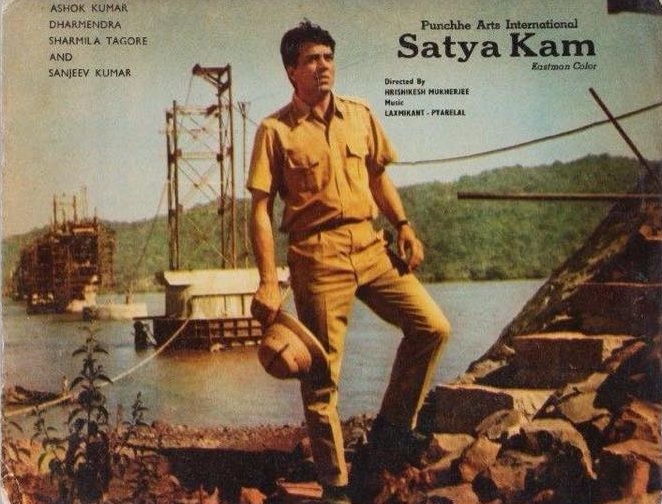
Dharmendra wasn’t just popular — he was bankable. In the 1960s and 70s, he delivered hit after hit, often multiple hits in the same year. Producers relied on him to keep studios running, theatres full, and distributors stable. His presence in a film often determined its financial confidence. He helped define Bollywood as a dependable industry, not just a creative gamble.
Carried Socially Conscious Cinema With Dignity
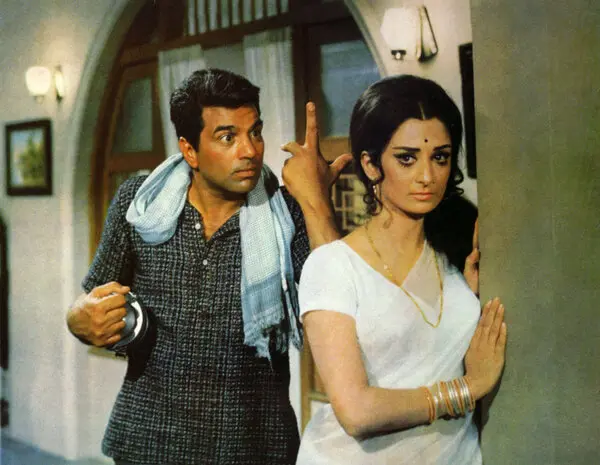
While he’s widely remembered for mainstream blockbusters, Dharmendra’s contribution to serious cinema is equally significant.
His performance in Satyakam is still regarded as one of the finest in Hindi film history — a role that examined idealism, morality, and the cost of integrity. This duality — commercial yet artistically credible — made him essential to India’s cinematic identity.
A Major Force in Expanding Bollywood’s Cultural Reach
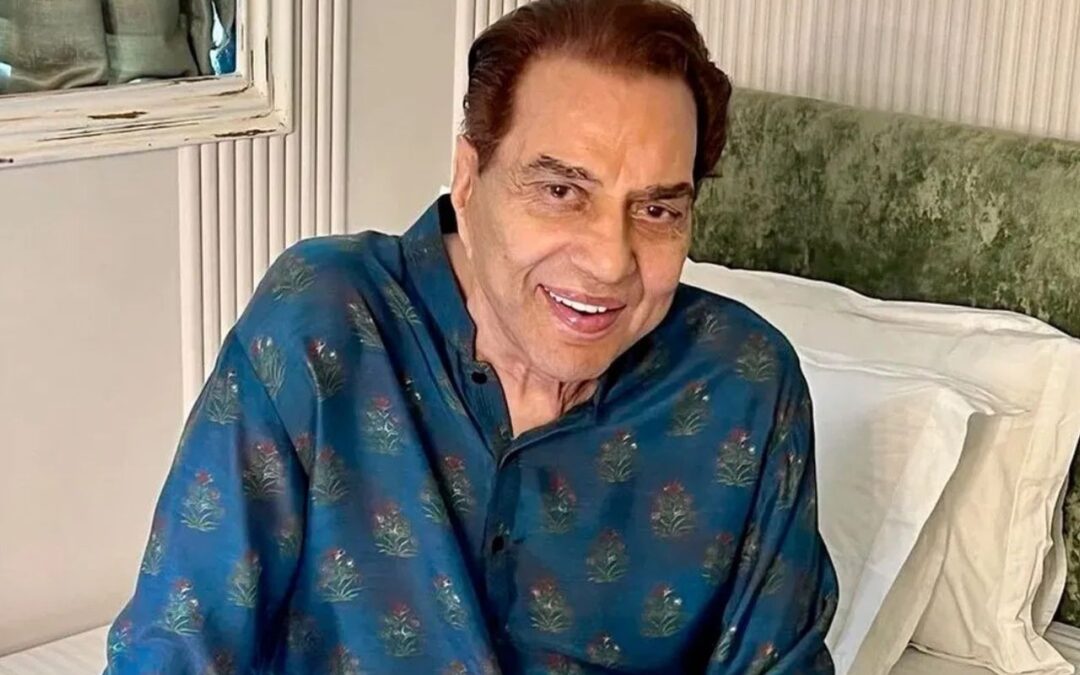
Dharmendra’s roles resonated with urban and rural India equally.
His accessible screen presence helped Bollywood become a national cultural unifier. Songs, dialogues, posters, and imagery featuring him reached remote towns where mainstream Hindi cinema was still growing. He wasn’t just a movie star. He was one of the faces through which Bollywood entered everyday Indian life.
A Legacy Carried Forward, Not Preserved in a Museum
What makes Dharmendra’s significance truly lasting is the way his influence flows into the present — not as nostalgia, but as active DNA of the industry. From family dynasties (the Deols) to contemporary trends in masala cinema, traces of Dharmendra’s template are everywhere.
His career showed Bollywood how to balance stardom with substance. How to appeal to the masses without losing sincerity.
How to evolve without vanishing.
What were your favorite Dharmendra movies? Feel free to tell us in the comments below. For more content, stay tuned. As usual, like, subscribe, and share our articles as we here are trying to build a community of people High on Cinema!