Parijat Ghosh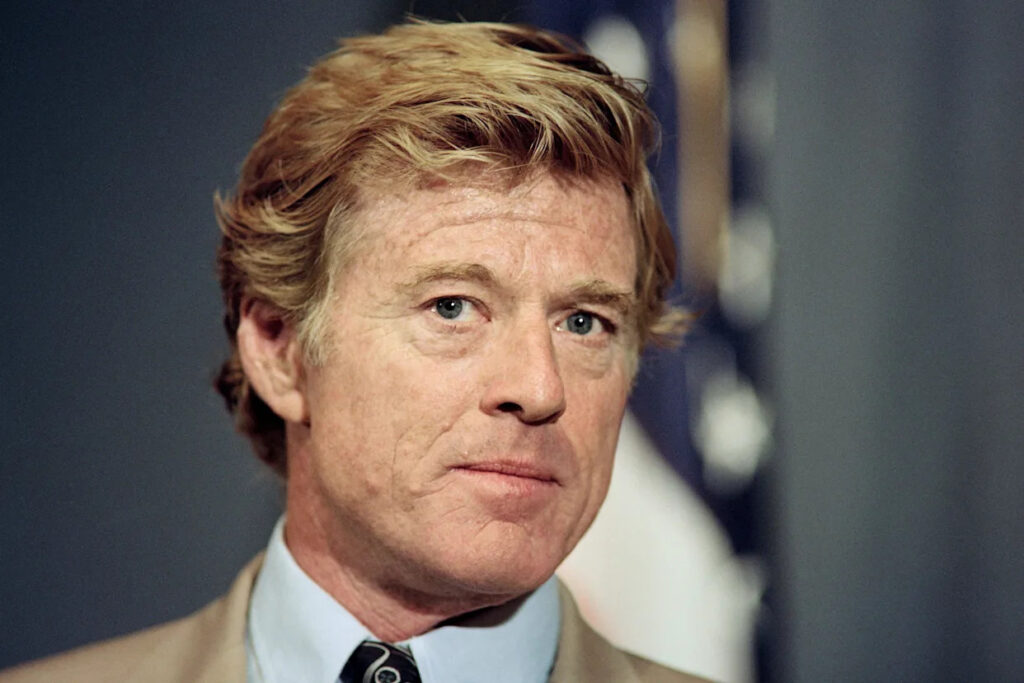
I guess you must be here because you have already heard about the recent demise of Robert Redford. Robert Redford’s legacy is woven into the very fabric of cinema. From iconic roles to groundbreaking initiatives, he shaped film culture in ways that continue to inspire. His career goes beyond stardom, stretching into directing, producing, and championing independent voices. Here are five of his most essential contributions to cinema.
An Actor and Director Who Redefined Excellence
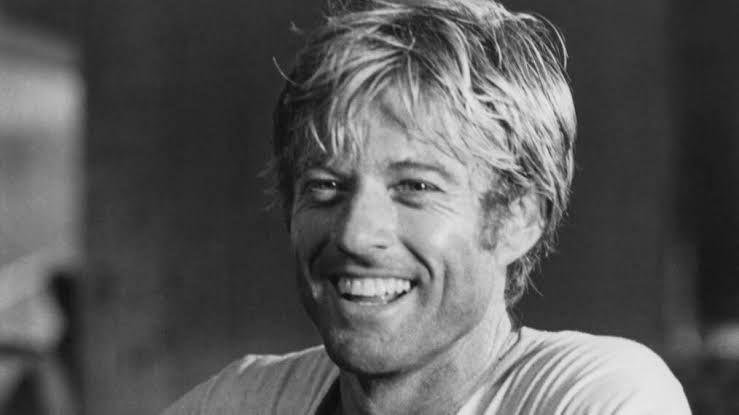
Redford first won people over with his iconic roles in The Sting and Butch Cassidy and the Sundance Kid. He became a Hollywood legend thanks to his effortless charm and captivating on-screen persona. But, he did more than just act. Ordinary People, his first feature film as a director, was released in 1980. He received an Academy Award for Best Director and Best Picture for the movie. Then he went on to direct Quiz Show, which received praise from critics and was nominated for several Oscars. This shows us that he was a living example of a man with his ability to operate both sides of the camera with equal skill.
The Godfather of Independent Film
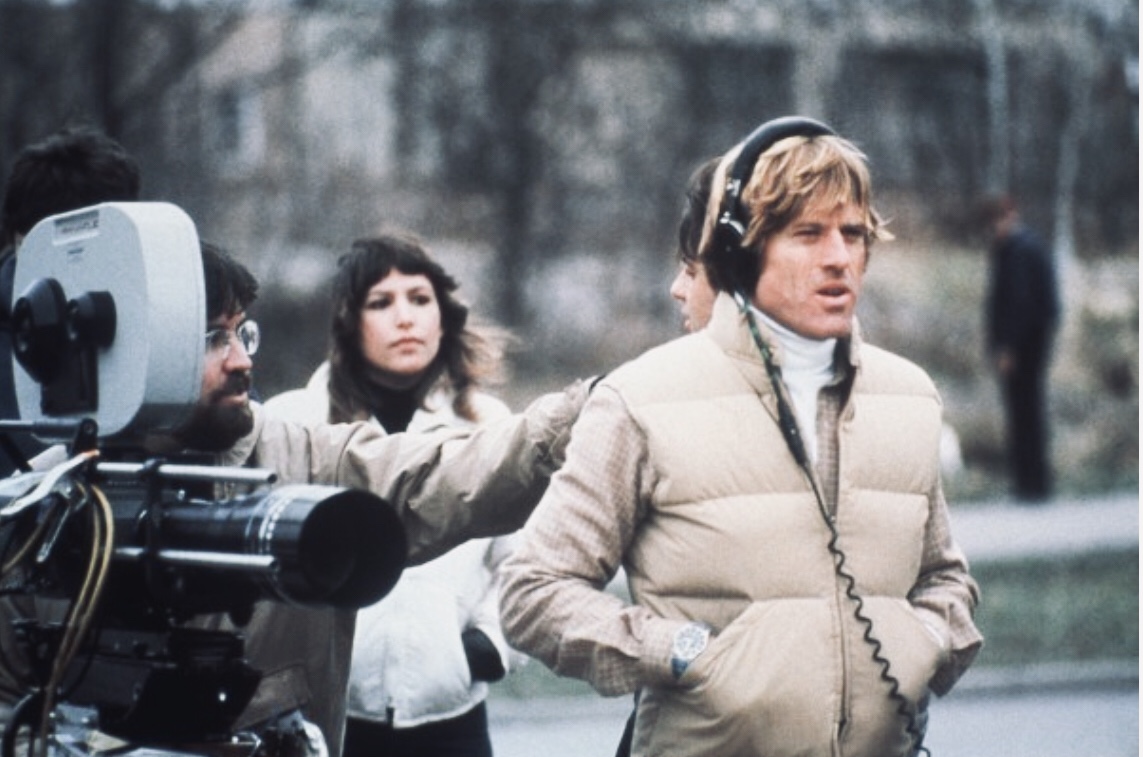
Redford believed cinema should not belong only to studios. He created the Sundance Institute and later the Sundance Film Festival. This festival grew into the largest stage for independent films in the United States. Through Sundance, he gave countless emerging filmmakers the chance to tell authentic and diverse stories. Independent cinema flourished as his anchor of creativity. And because of this, many careers took flight because he dared to build that platform.
A Producer With Purpose
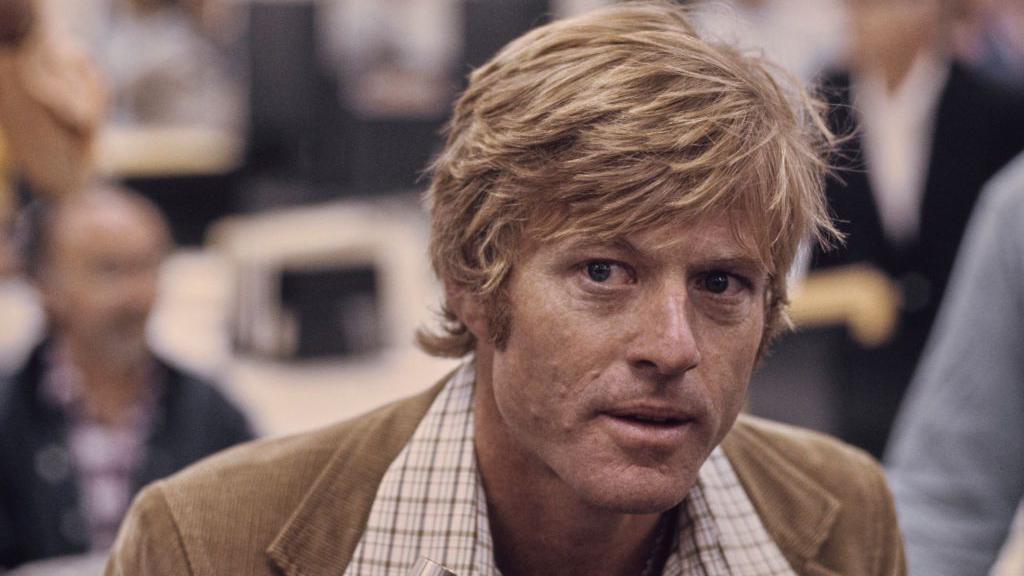
Redford was able to enter the production industry by co-founding Wildwood Enterprises, Inc. As a producer, he backed films that prioritised deeper themes over showmanship. His projects delved deeply and honestly into human struggles, grief, and corruption. Discussions concerning responsibility, justice, and morality- these were all separate backbones that were spurred by these films. Redford’s unwavering dedication to telling important stories improved the calibre of the films his company made.
Champion of Serious Themes
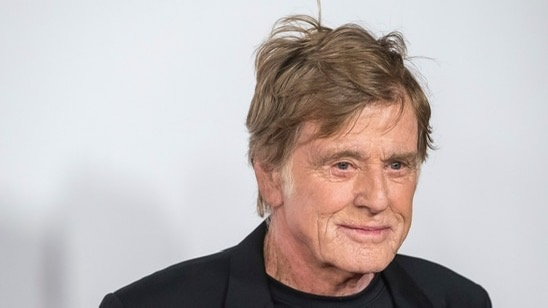
Redford never saw films as merely a form of amusement. And, his movies? These movies addressed the wrongs of society so openly, it was a commendable bravery during the 80s.
- He examined the function of journalism in exposing political corruption in All the President’s Men.
- Ordinary People looked at the heavy silence surrounding grief and family trauma.
- Quiz Show examined dishonesty in the quest for celebrity.
With great emphasis on social issues, grief, and corruption, he reminded audiences that films can both challenge and heal. And, honestly? That’s brave for a man of that time.
Building Institutions That Last
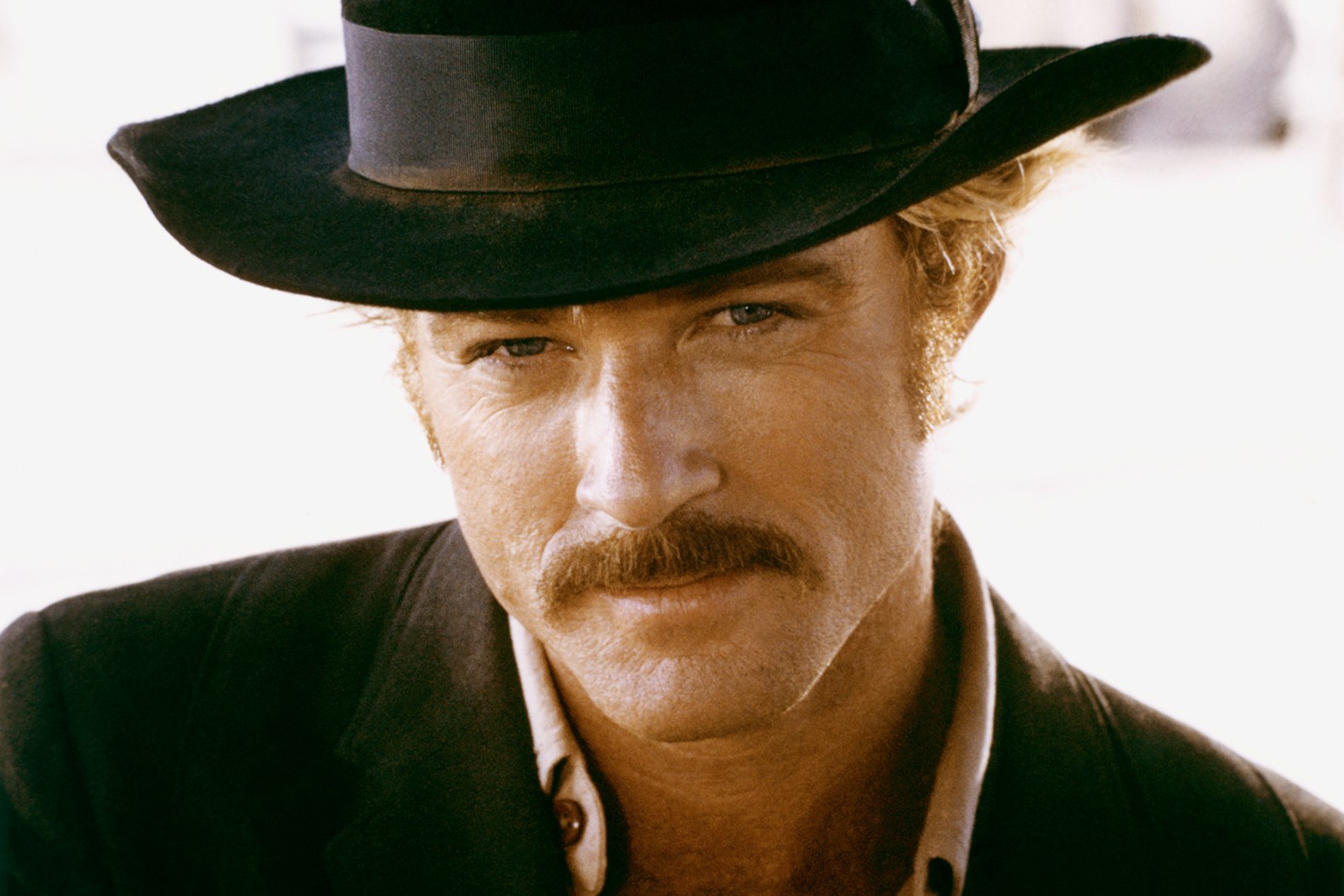
Redford’s vision extended far beyond his own career. He founded the Sundance Institute, Sundance Festival, Sundance Channel, and Sundance Cinemas. These institutions nurtured independent voices and offered them a place to thrive. Over time, his work created a legacy that will continue to benefit storytellers for generations. This was not just contributing to films but also building infrastructure that reshaped how stories are made, seen, and celebrated.
Conclusion: A Lasting Legacy
Robert Redford leaves behind a cinematic legacy that is both inspiring and enduring. Not only was he a great actor and director, but also a visionary who changed the very culture of film. By balancing artistry with activism, he ensured that movies remain a tool for truth, reflection, and progress. These contributions will forever guide cinema’s path forward.
If you have any questions about for Robert Redford, feel free to mention them in the comments below. For more content, stay tuned. As usual, like, subscribe, and share our articles as we here are trying to build a community of people High on Cinema!