Parijat Ghosh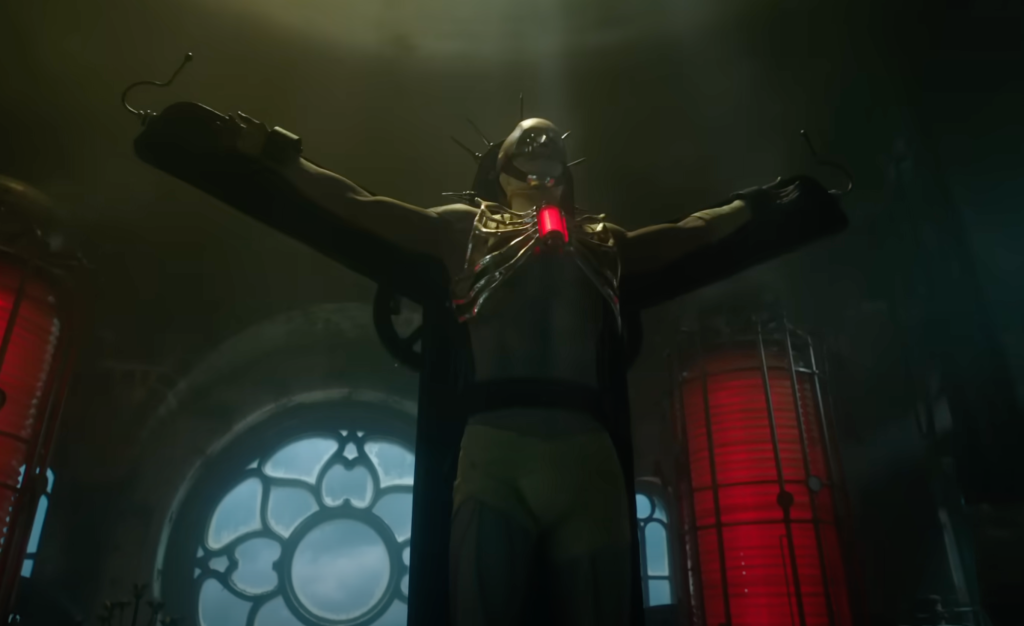
This Frankenstein isn’t your typical monster flick or dusty gothic re-read. del Toro re-animates the tale with lush visuals, big philosophical beats, and surprising emotional muscle. The film opens in the Arctic with a high-stakes chase/struggle (classic frame-device style) before diving into Victor’s life and his audacious experiment. It asks: what if the “monster” is more human than the creator? And what if ambition blinds us to love, responsibility, and consequence? Spoiler: it hits those questions hard.
The Creature as the Most Human Heart
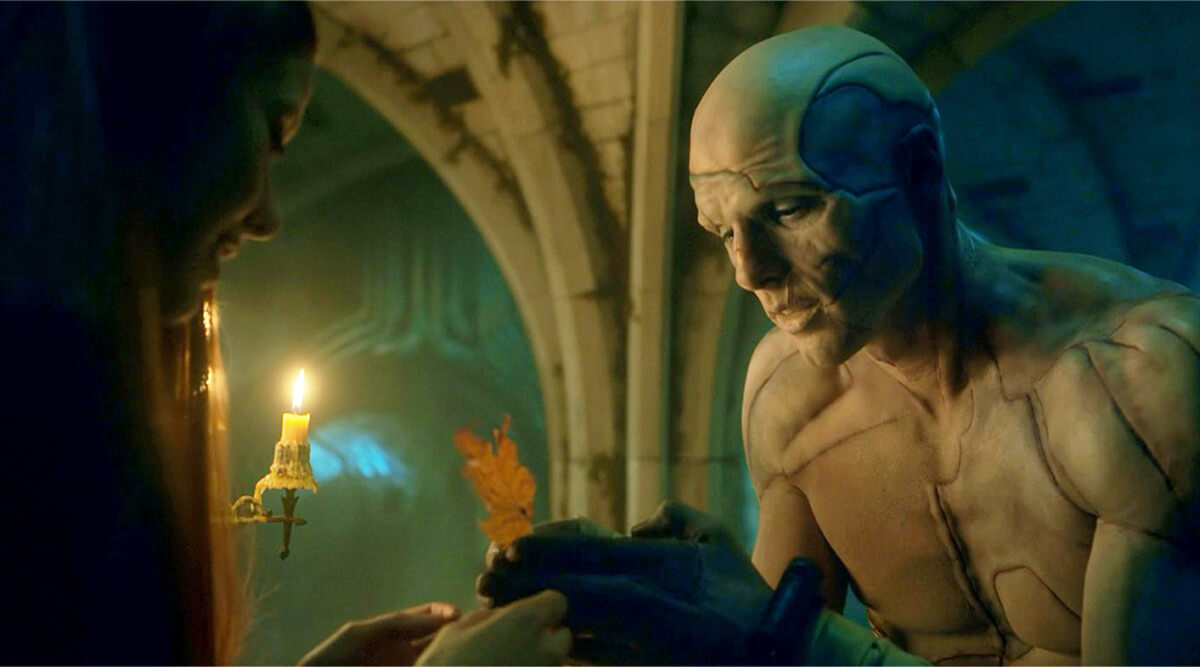
From birth, the Creature (played by Jacob Elordi) awakens trembling, curious, vulnerable — like a newborn in unfamiliar skin.
He learns language, beauty, empathy — but also pain, cruelty, and rejection. Elordi’s performance sells both his innocence and rage: his gestures, his sadness, his longing make you root for him — even if you fear him. In effect, this Creature doesn’t feel like a monster because he’s “other,” but rather like someone betrayed by humanity’s mirror.
Empathy, Through Elizabeth & the Blind Friend
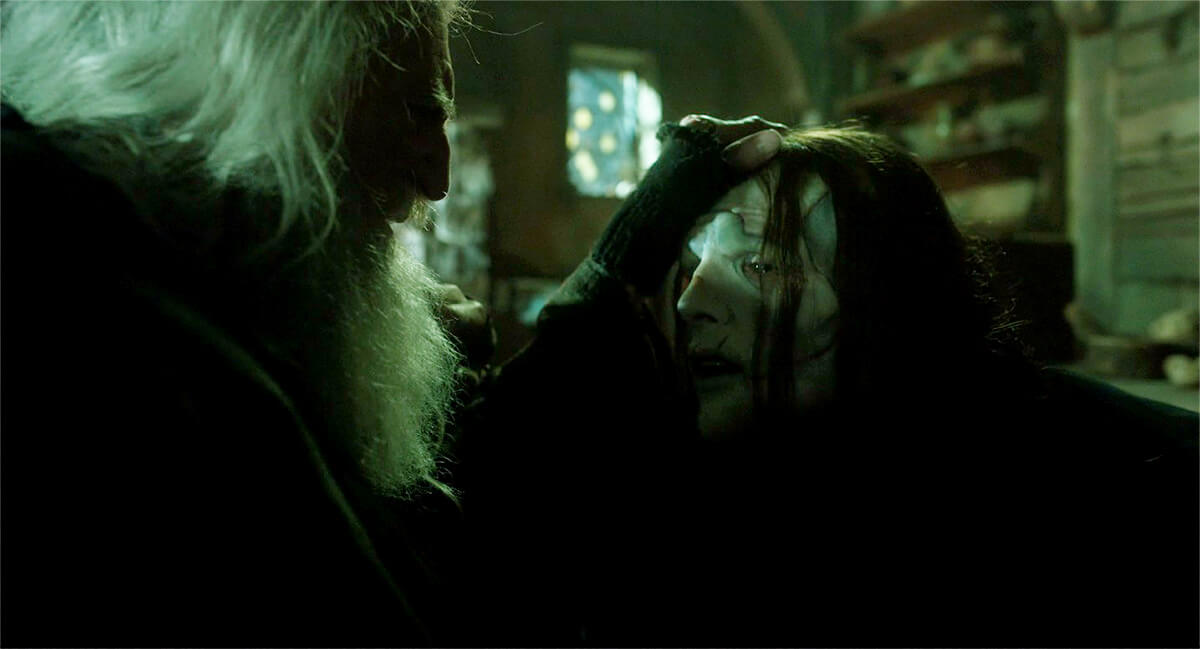
The film leans into kindness as dramatically as it does horror. The Creature’s interactions with an old blind man (and others) show that in spite of horror, compassion can awaken something beautiful. Mia Goth’s Elizabeth serves as a human tether — her gentleness and perception contrast sharply with the ambition and cruelty around her. These relationships expose the tragedy: the Creature doesn’t turn monstrous out of nature, but because of neglect, fear, and rejection.
Lavish Gothic Beauty + Tragic Grandeur
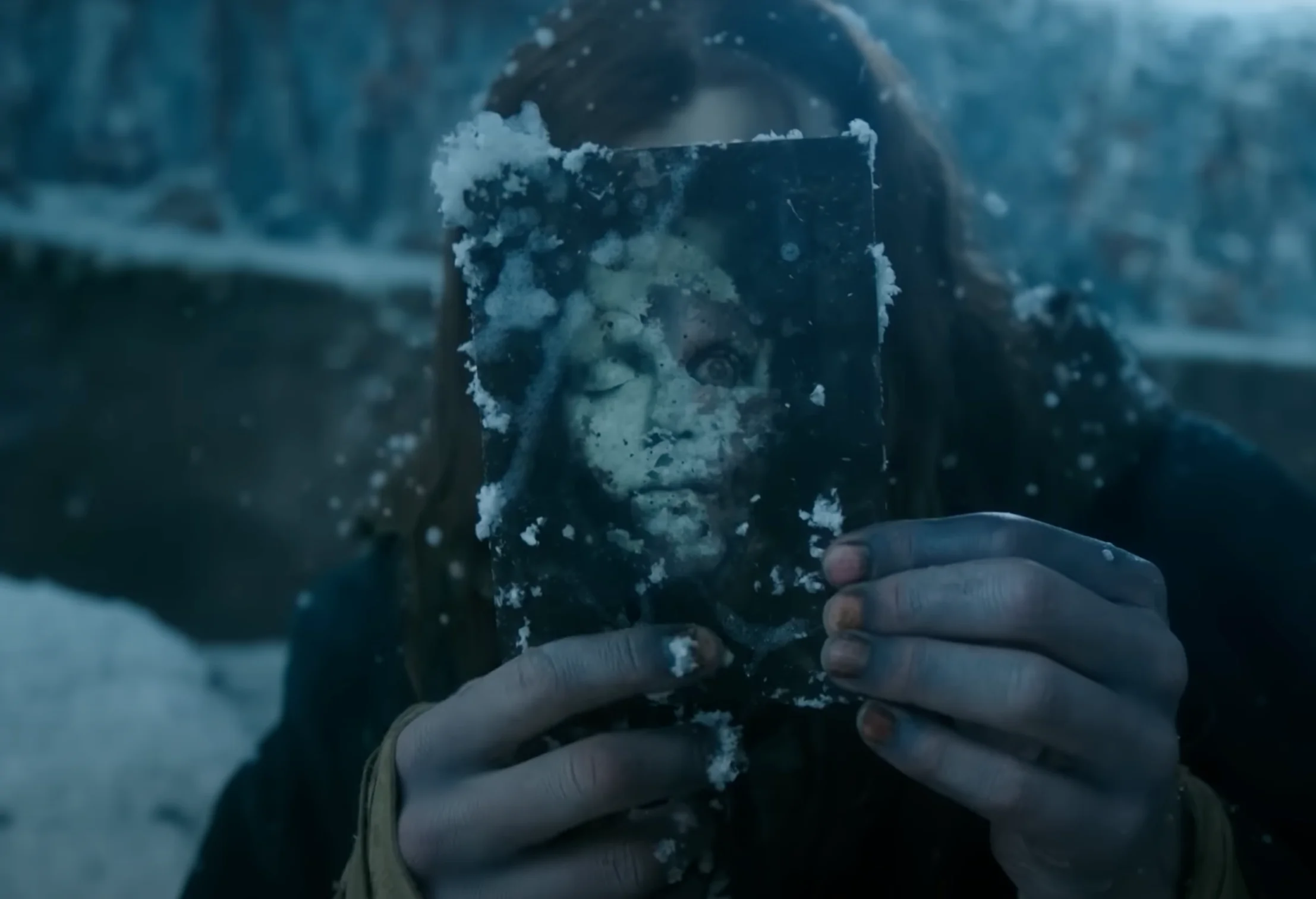
Visually — this movie is a feast. Set designs, lighting, costumes, and cinematography evoke a Victorian dream-nightmare: decadent yet decaying. The horror moments (birth, violence, confrontations) are visceral, but they’re balanced with quiet, heart-rending intimacy. It’s gothic, yes — but the emotion isn’t dressed in cliché. The director gives scenes time to breathe, so even silence echoes.
Moral Mirror: Creator vs Creation
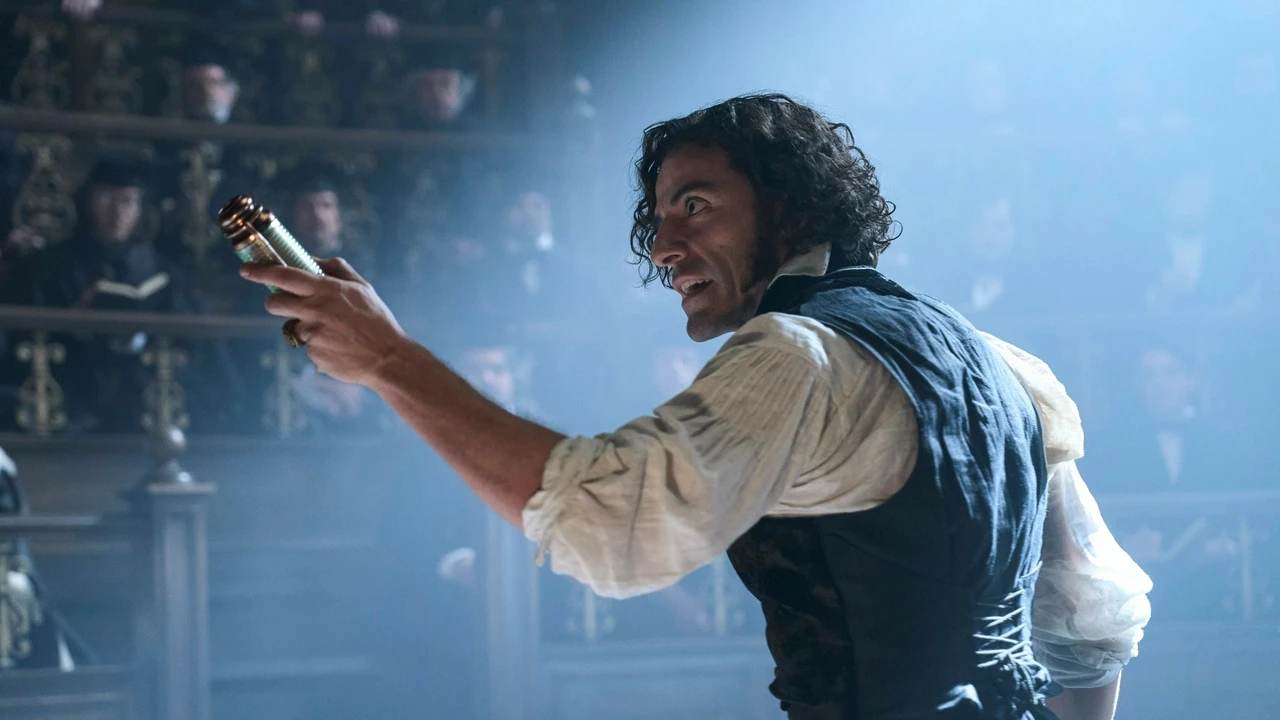
The film stages a literal and metaphorical tribunal: the scientist Oscar Isaac’s Victor Frankenstein faces the consequences of his ambitions, and the Creature grapples with identity, love, and power. Del Toro refuses to offer easy answers. Instead, he makes the horror as much about humanity — ambition, guilt, empathy, and denial. When you walk away, you don’t just think “that monster…” but also “what we did to make him that way.” And that haunting question lingers.
Flaws That Sting (Because Even Monsters Have Bumps)

At ~2h 29m, the movie’s pacing occasionally drags — romantic beats, backstories, and narrative digressions sometimes dilute urgency.
The tone shifts unpredictably: gothic dread to melodrama to spectacle — some viewers love that ride, others feel jolted. Its ambition sometimes crowds its clarity: some ideas shine, others feel under-explored or over-stylised.
Final Verdict
This Frankenstein isn’t just a horror remake. It’s a reflection, a level-up tragedy, and a performance piece. There’s blood and lightning and terror — but there’s also a heart, so painfully human. If you’re in the mood for gothic romance and moral monster stories, this one’s a gem. If you expect a simple horror flick… buckle up: you might find yourself sobbing one minute, recoiling the next, but trusting that the ride’s worth every jolt.
If you have any questions regarding Frankenstein, feel free to ask in the comments below. For more content, stay tuned. As usual, like, subscribe, and share our articles as we here are trying to build a community of people High on Cinema!