Parijat Ghosh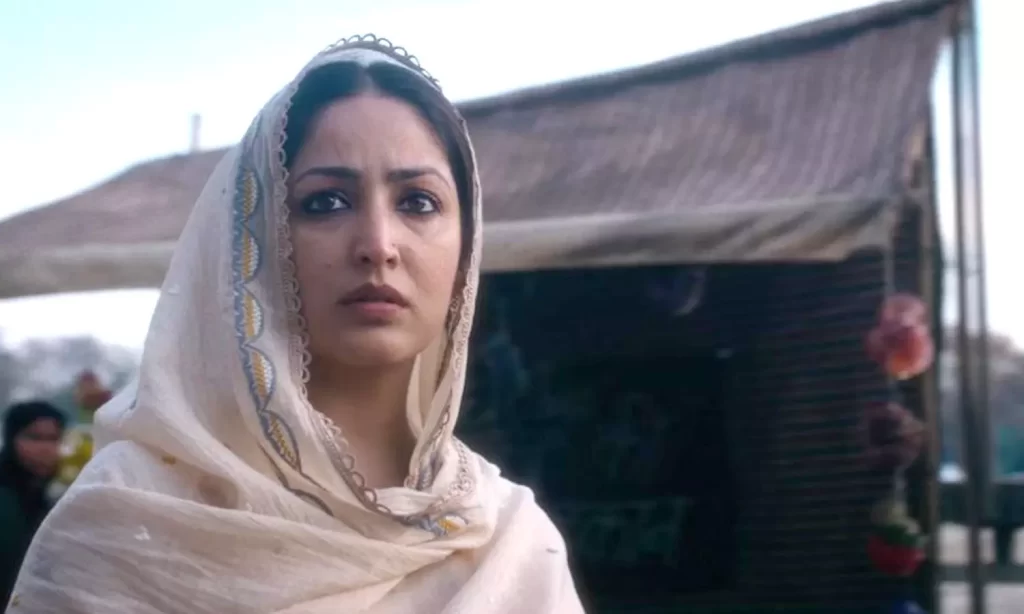
There are films you watch for entertainment, and then there are films you feel. HAQ belongs to the latter. Directed by Suparn S. Varma, this upcoming courtroom drama brings back one of India’s most powerful and controversial real-life stories — the Shah Bano case — and retells it through empathy, grit, and conviction. In a time when speaking up could mean isolation or backlash, HAQ reminds us why justice and humanity must always outweigh fear and conformity.
The Real Case That Shook India
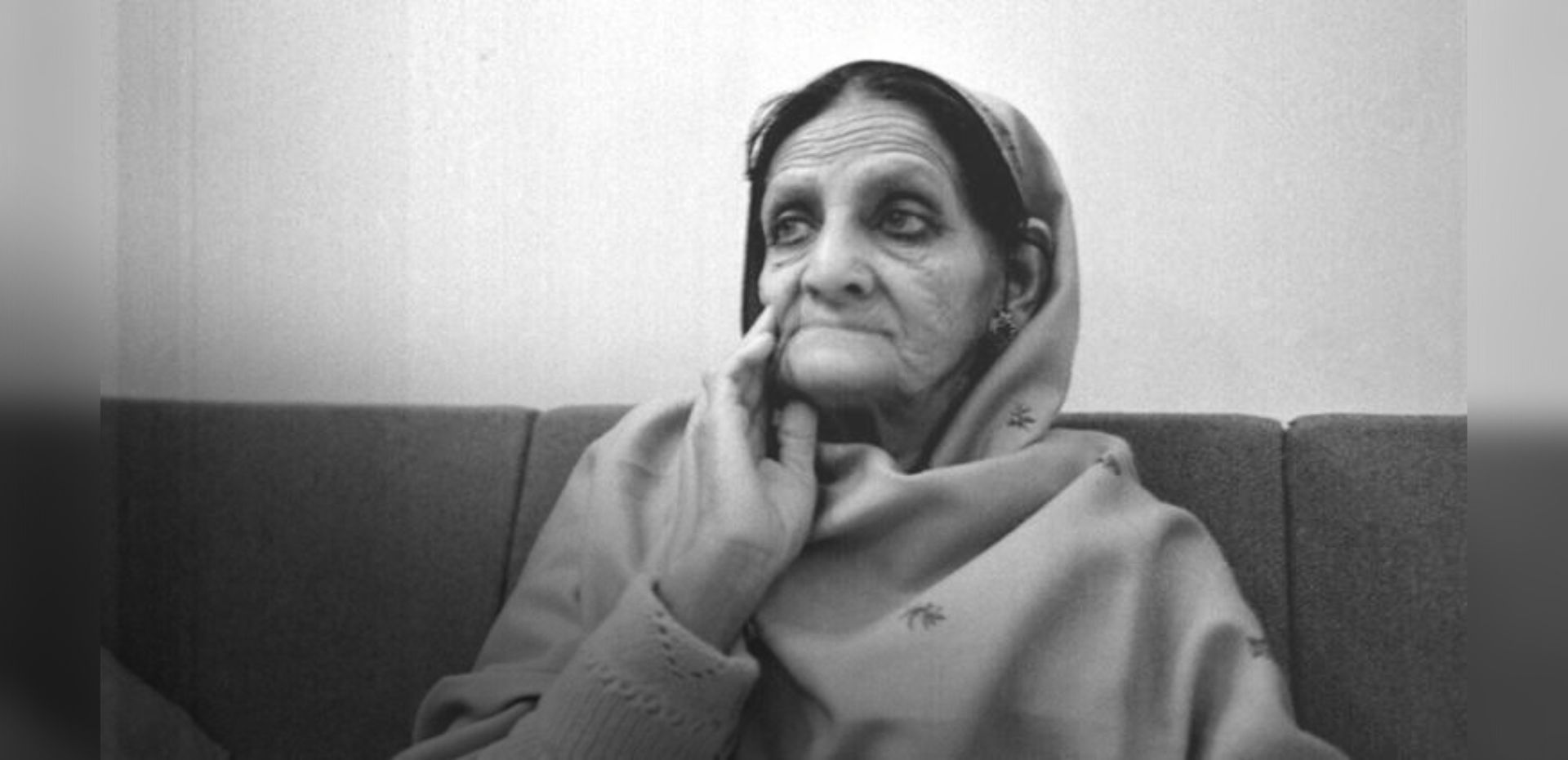
In 1978, Shah Bano Begum, a 62-year-old Muslim woman from Indore, filed a plea under Section 125 of the Criminal Procedure Code, seeking maintenance from her husband, Mohd. Ahmed Khan, who had divorced her after decades of marriage.
Her case, Mohd. Ahmed Khan v. Shah Bano Begum (1985), went to the Supreme Court, which ruled in her favor — a verdict affirming that divorced Muslim women were entitled to maintenance beyond the iddat period.
This decision, however, sparked a nationwide controversy. It divided public opinion between personal religious law and the secular Indian constitution. The aftermath led to the Muslim Women (Protection of Rights on Divorce) Act, 1986, reversing parts of the ruling.
The case became a landmark debate over women’s rights, religion, and the meaning of equality in modern India — and HAQ dives deep into that moral complexity.
Portraying Truth with Fearless Emotion
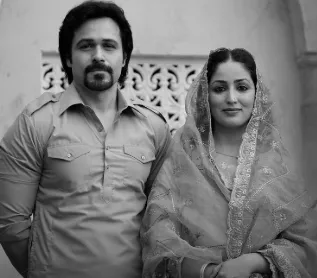
In HAQ, Yami Gautam Dhar takes on the role of Shazia Bano, a fictionalized version of Shah Bano. Her performance, based on the teaser, is both restrained and raw — portraying a woman who refuses to let humiliation or tradition crush her voice.
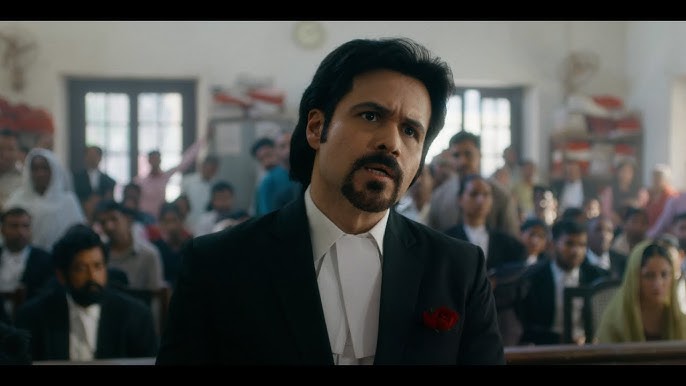
Opposite her, Emraan Hashmi plays Abbas Khan, representing both the husband and the complex legal opposition. As a practicing Muslim himself, Hashmi publicly emphasized that the film “does not malign Muslims” and instead seeks to show the struggle for justice with nuance and compassion.
Their on-screen dynamic isn’t about villainy or victimhood. It’s about faith versus fairness, duty versus dignity — and the courage to confront uncomfortable truths. And, so far, the casting gives us hope of a cinematic yet realistic representation that raises conversation.
Art that Challenges Comfort
Creating a film on such a charged issue isn’t easy. The makers of HAQ have already faced legal notices from Shah Bano’s family, alleging that the movie uses real-life details without consent. Yet, the film’s intent remains clear — to provoke thought, not hostility.
In an age of outrage, HAQ stands for something rare — the right to question and to remember. It bridges law and emotion, asking viewers: What does justice mean when tradition stands in its way?
Why You Should Watch It
Because HAQ isn’t just about one woman’s struggle. It’s about every person who ever chose courage over silence. It’s about the strength it takes to fight not just the system, but centuries of conditioning. And it’s about believing that no matter the fear of “hurting sentiments,” truth still deserves to be told.
HAQ releases on November 7, 2025 — and it’s not just a film you should see; it’s a story you should carry with you.
If you have any questions regarding HAQ, feel free to ask in the comments below. For more content, stay tuned. As usual, like, subscribe, and share our articles as we here are trying to build a community of people High on Cinema!