Parijat Ghosh
Back to Black isn’t your typical music biopic. It doesn’t just replay Amy Winehouse’s chart-topping hits. It tries to walk you through her messy, brilliant, heartbreaking life. Directed by Sam Taylor-Johnson and powered by a striking performance from Marisa Abela, the film invites you into Amy’s world: the music, the chaos, the love that fuelled her rise and collapse. It’s emotional, intimate, and sometimes painfully honest.
Amy’s Beginning: Camden Streets and Big Dreams
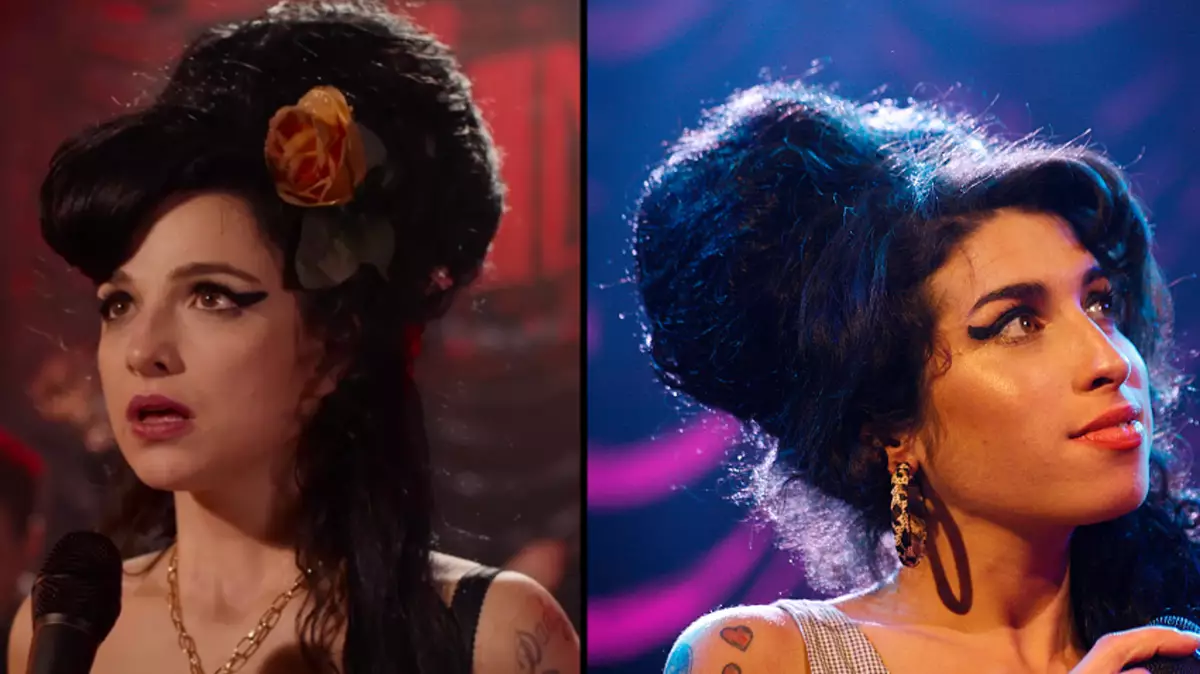
The film opens in Camden, Amy Winehouse’s home turf — smoky pubs, tiny stages, and raw talent waiting to erupt. We see young Amy as she was before fame touched her: rough-edged, witty, stubborn, and bursting with musical fire.
Marisa Abela channels Amy’s energy without feeling like an impression. Her voice, body language, and attitude make you forget this is a portrayal — it feels like watching Amy’s spirit reappear for a moment.
How “Back to Black” Changed Everything
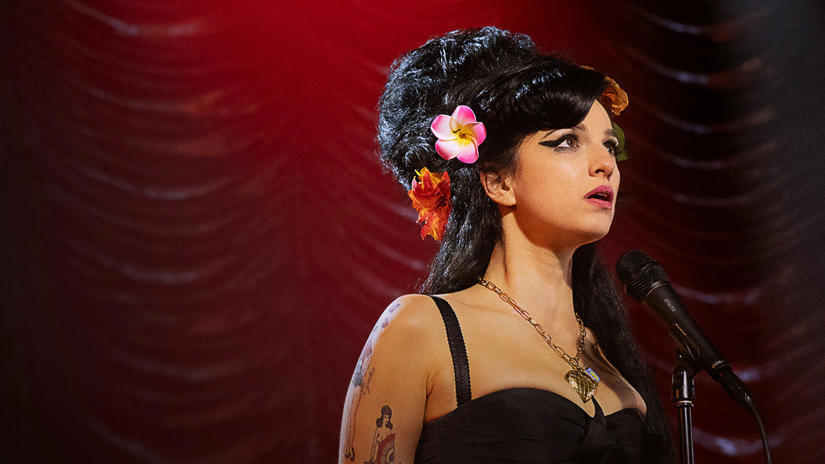
Once the film steps into Amy’s rise, the tempo shoots up. We see her songwriting process, her studio sessions, and the making of her legendary album Back to Black. These sequences feel alive — like you’re sitting in the studio as she sharpens lyrics into weapons and confessions.
The biopic also highlights Amy’s dedication to jazz, her insistence on creative control, and how fame arrived faster than she ever expected. It’s the kind of “overnight success” that actually took years of heartbreak and grit.
The Love Story: Passionate, Toxic, Unavoidable
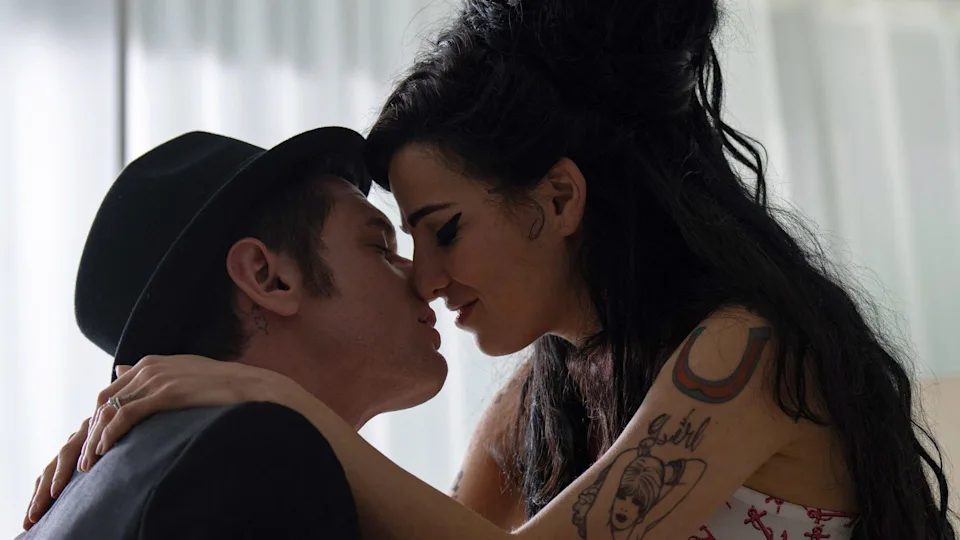
A big part of the movie revolves around Amy’s volatile relationship with Blake Fielder-Civil. The film doesn’t glamorize it — nor does it villainize him outright. Instead, it shows the complicated love they shared: passionate, electric, and ultimately damaging.
Their romance becomes the emotional core of the story. It explains not just Amy’s pain, but also her lyrics — the vulnerability, the anger, the longing that shaped her sound.
Fame, Pressure, and Pain
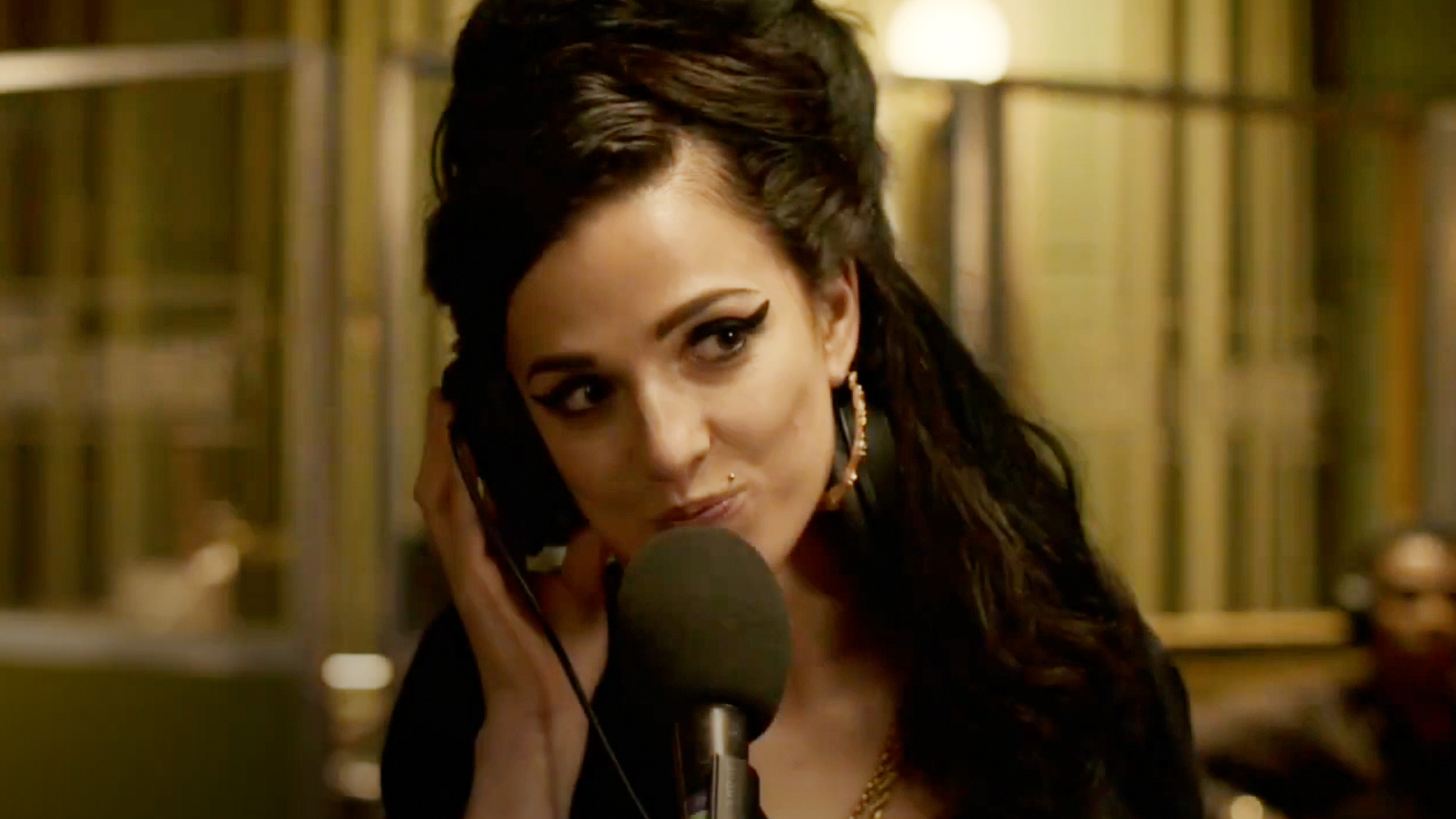
As the world crowns her a music icon, Amy falls deeper into addiction, disordered eating, and emotional turmoil. The film depicts her struggles plainly but respectfully. You feel the weight she carries — the pressure of being a media obsession, a global star, and a young woman losing control of her life.
The score by Nick Cave and Warren Ellis adds a haunting layer, echoing Amy’s inner battles.
The Ending We All Wish Was Different

The final scenes hurt — because we know what’s coming. The movie doesn’t dramatize her last moments but ends with a reminder that Amy Winehouse died at just 27, leaving behind a voice that still feels unmatched. It’s a soft, painful farewell that lingers long after the credits.
What We Know About the Film

- The movie recently arrived on Netflix in selected regions.
- Critics are divided: many praise Marisa Abela’s performance, while others argue the film doesn’t fully honor Amy’s complexity.
- Friends close to Amy have voiced mixed feelings, adding to the conversation around the film’s approach to her legacy.
Conclusion: A Tribute To Music
Back to Black is emotional, flawed, and deeply human — much like Amy herself. It celebrates her artistry while confronting the chaos that shaped her story. Whether you adored Amy, listened to her casually, it offers a moving look at one of the most unforgettable voices of our time.
If you have any questions regarding Back to Black, feel free to ask in the comments below. For more content, stay tuned. As usual, like, subscribe, and share our articles as we here are trying to build a community of people High on Cinema!