Parijat Ghosh
The Critics Choice Awards 2026 did not play it safe. Instead of following prediction charts and awards season momentum, the voters zigged where many expected them to zag. The ceremony delivered wins that reshaped the conversation overnight and reminded everyone that critics do not always vote as a bloc.
This year felt especially unpredictable. Big contenders stumbled. Quiet performances surged and some films walked in with multiple nominations only to leave with nothing but awkward smiles and unanswered questions. Let’s start with the wins that genuinely surprised people who thought they had this season figured out.
Timothée Chalamet’s Big Win in Best Actor
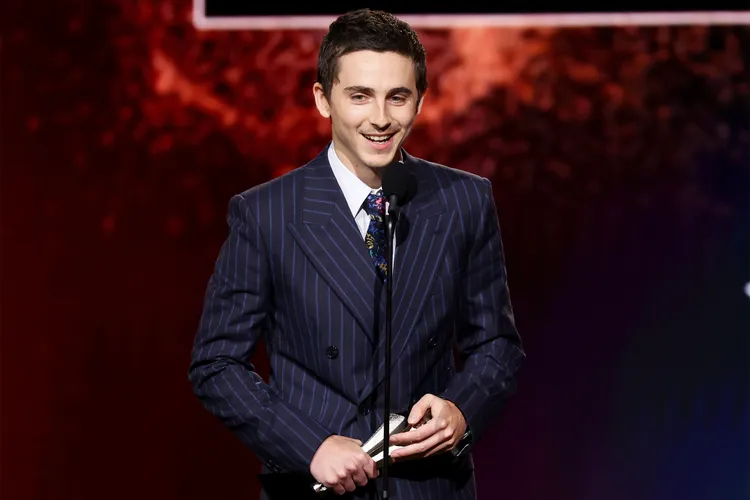
One of the most talked about wins of the night was Timothée Chalamet taking Best Actor for Marty Supreme. In a stacked field that included Leonardo DiCaprio (One Battle After Another), Michael B. Jordan (Sinners), Ethan Hawke (Blue Moon), Joel Edgerton (Train Dreams), and Wagner Moura (The Secret Agent), Chalamet emerged as the critics’ pick in a category many expected to go to an industry veteran or an awards season favorite.
His role as a table tennis competitor in Marty Supreme was praised for its depth and nuance, blending physicality with subtle emotional shifts. Yet Marty Supreme was not the critics’ most nominated film, and Chalamet was not always the frontrunner in early predictions, making this win feel like a genuine pivot by the voting body.
The Acting Win Nobody Locked In
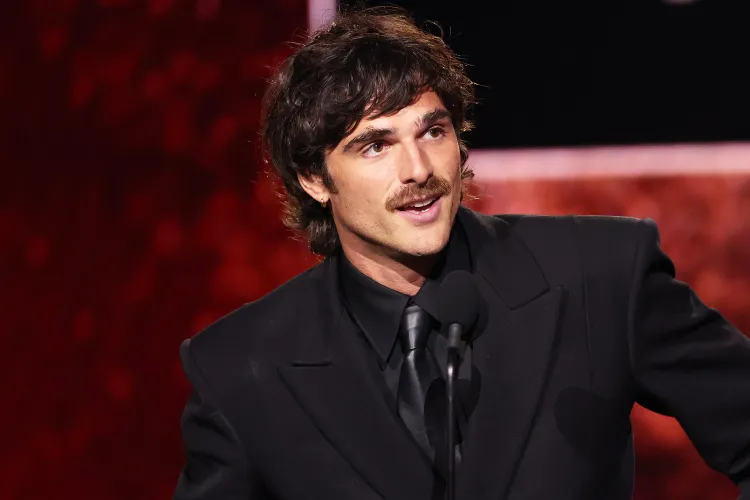
Jacob Elordi winning Best Supporting Actor for Frankenstein immediately became the headline moment of the night. Many awards watchers had him on the shortlist, but few had him as the actual winner.
The category included respected veterans and widely praised performances. Yet Elordi’s emotionally restrained and physically demanding portrayal of the monster resonated strongly with critics. His win signaled that the Critics’ Choice voters valued transformation and emotional weight over career legacy this year. It also repositioned Frankenstein from respected contender to serious awards season player.
Guillermo del Toro’s Frankenstein Making Noise in Unexpected Ways
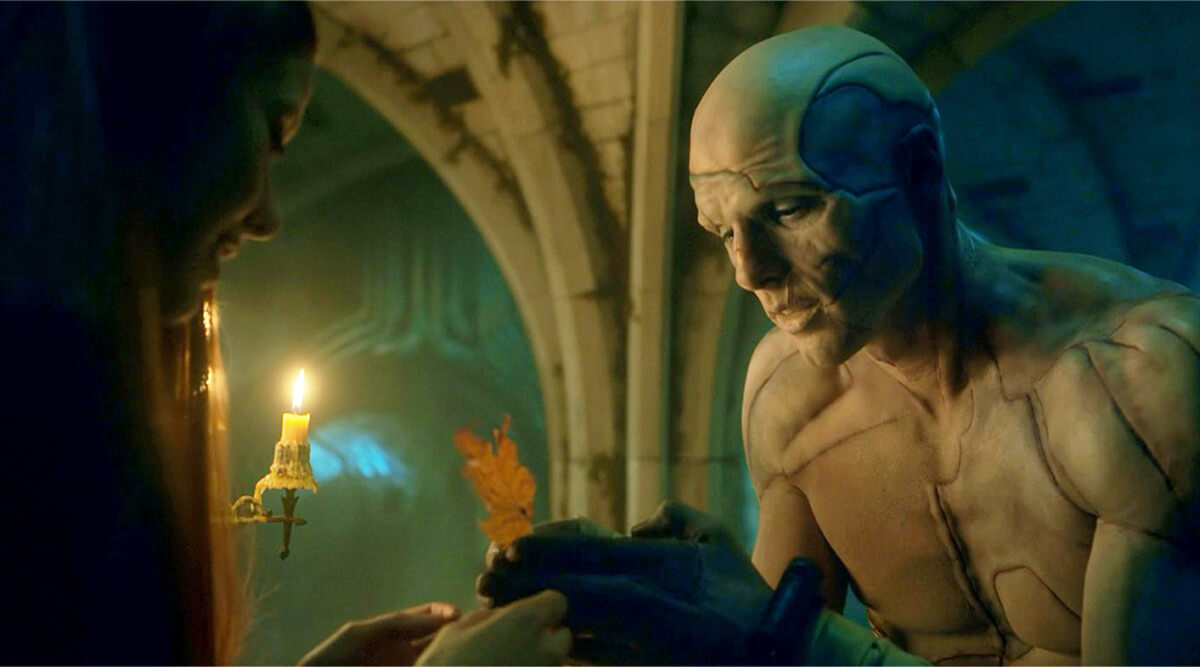
While Frankenstein did not dominate the ceremony, its presence loomed large. The acting win reinforced how much critics connected with the film’s tone and performances rather than just its visuals. That mattered because many assumed the film would be appreciated but not rewarded heavily. The Critics’ Choice Awards proved otherwise, at least in key categories.
Technical Categories Refused to Be Predictable
If anyone expected a clean sweep from the most nominated films, the technical awards shut that idea down fast. Train Dreams winning Best Cinematography surprised many who assumed Sinners or Hamnet or One Battle After Another had that category locked. The win highlighted how critics responded to visual storytelling over scale or hype.
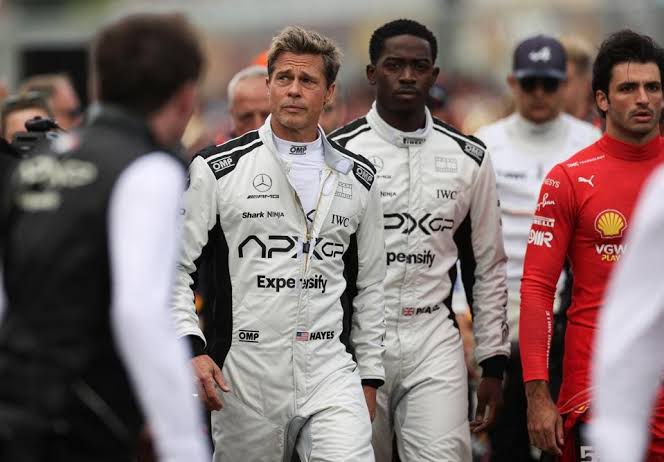
Similarly, F1 taking Best Editing caught people off guard. The category had been trending toward more prestige-driven dramas, yet the voters rewarded precision, pacing, and technical execution instead. These wins showed that Critics’ Choice voters were paying close attention to craft, not just narrative prestige.
One Battle After Another Quietly Dominates
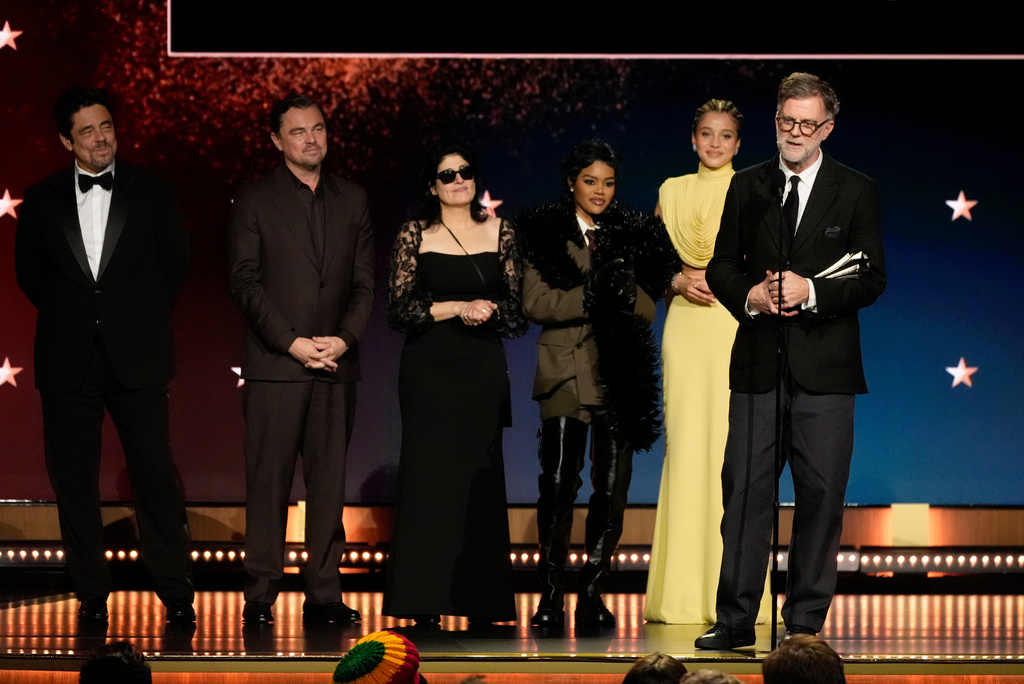
While some wins were shocking, others landed with a different kind of impact. One Battle After Another emerged as the night’s biggest winner, taking Best Picture, Best Director, and Best Adapted Screenplay. The film had strong momentum going in, but few expected it to consolidate power across so many top categories.
The sweep positioned it as a frontrunner heading deeper into awards season and sent a clear message that critics saw it as both artistically ambitious and emotionally resonant.
New Categories, New Energy
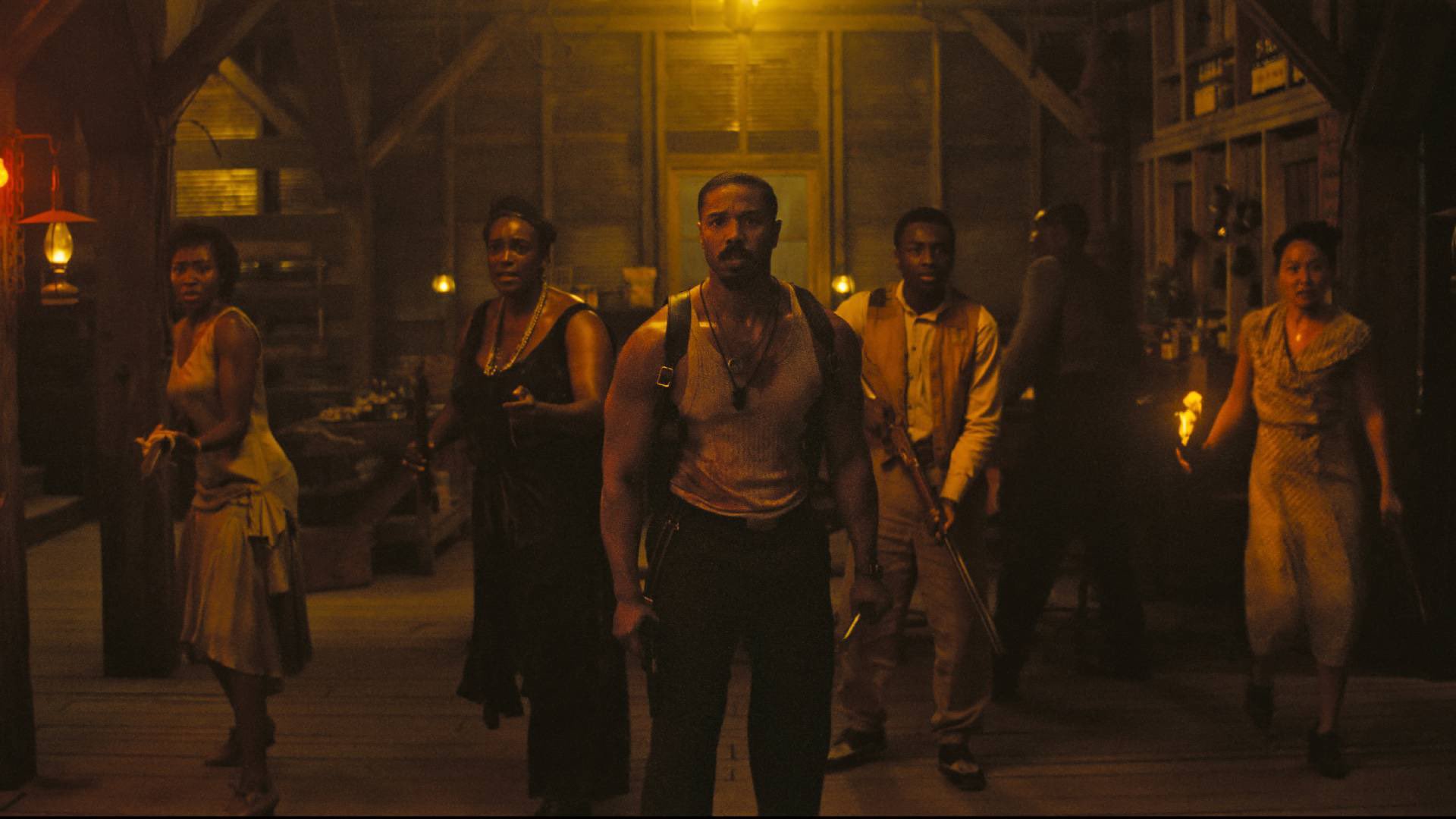
The addition of categories like Best Casting and Best Stunt Design added fresh texture to the ceremony. Sinners winning Best Casting stood out as a meaningful acknowledgment of ensemble work, even as the film missed out on some headline prizes. These newer categories helped distribute recognition more evenly and prevented the night from feeling dominated by a single title.
Now Let’s Talk About What Did Not Happen. Surprises are fun. Snubs are where the drama lives. And this year had one snub that dominated every post-show conversation.


These awards reminded everyone why this ceremony matters. It does not simply mirror other awards. It challenges assumptions. Surprising wins reshaped predictions. Major snubs fueled debate. And one film leaving with nothing became the defining storyline of the night.
Awards season just got a lot more interesting!
But, do you think there were more snubs and surprises? Let us know in the comments below. For more content, stay tuned. As usual, like, subscribe, and share our articles as we here are trying to build a community of people High on Cinema!