Abheet Gupta
The winds are shifting in the Marvel Cinematic Universe. After years of silence, fatigue, and fractured fandom, Avengers: Doomsday is finally beginning to feel real—and more importantly, worthy of its title. With Marvel Studios reportedly attaching exclusive teasers to the theatrical release of Avatar 3, the long-dormant hype engine has begun to stir once more. Four teasers, four pillars: Captain America, Thor, Doctor Doom, and finally a grand, all-encompassing vision of the war to come.
The first teaser is centered on Steve Rogers, the man who chose love over legend at the end of Endgame. It shows Steve riding down quiet roads, returning home, cradling his child, only for the expected to be made clear: Rogers will return. Time, it seems, will not keep its promises. But it is Teaser Two that has truly captured our imaginations because this time, Marvel may have finally remembered who Thor is.
Avengers Doomsday Thor Trailer Description: A God Before a Hero
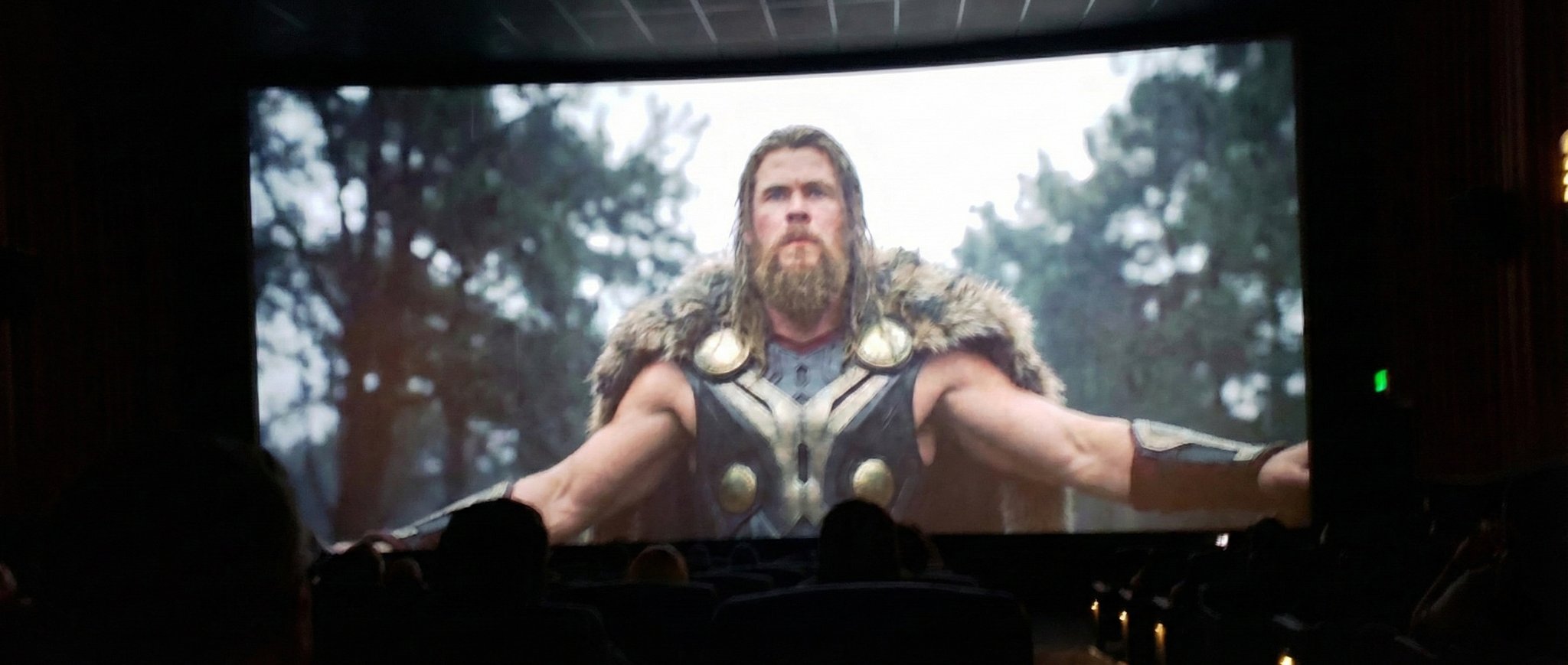
The leaked Thor teaser does not open with lightning, nor with battle cries. Instead, it finds the God of Thunder alone deep within the woods, the world hushed, the air heavy with fate. Thor kneels. Not as a superhero. Not as an Avenger. But as a son. He prays to Odin. Not for victory. Not for thunder. Not for war. But for time. For life. For the chance to return to his daughter.
And it is how he prays that has sent ripples through fans of mythology and epic storytelling alike. Gone is the flippant bravado. Gone is the self-aware comedy that has too often reduced Thor to a punchline. In its place is something ancient. Something aching. Something that sounds as though it was carved into stone.
Of all the crowns, the kingdoms, the pride, I ask for none.
Father, hear your son, I am not worthy of life,
but still I beg you to let the thread lengthen.
Not for thunder, not for war…
let me remain long enough to see my love once more.
This is not the Thor of quips and shattered mugs. This is a man who knows the cost of immortality. A god who has buried too many, lost too much, and finally understands that glory is hollow when love is absent. For the first time in the MCU, Thor does not sound like a superhero inspired by mythology—he sounds like mythology itself.
Echoes of Old Songs and Forgotten Epics
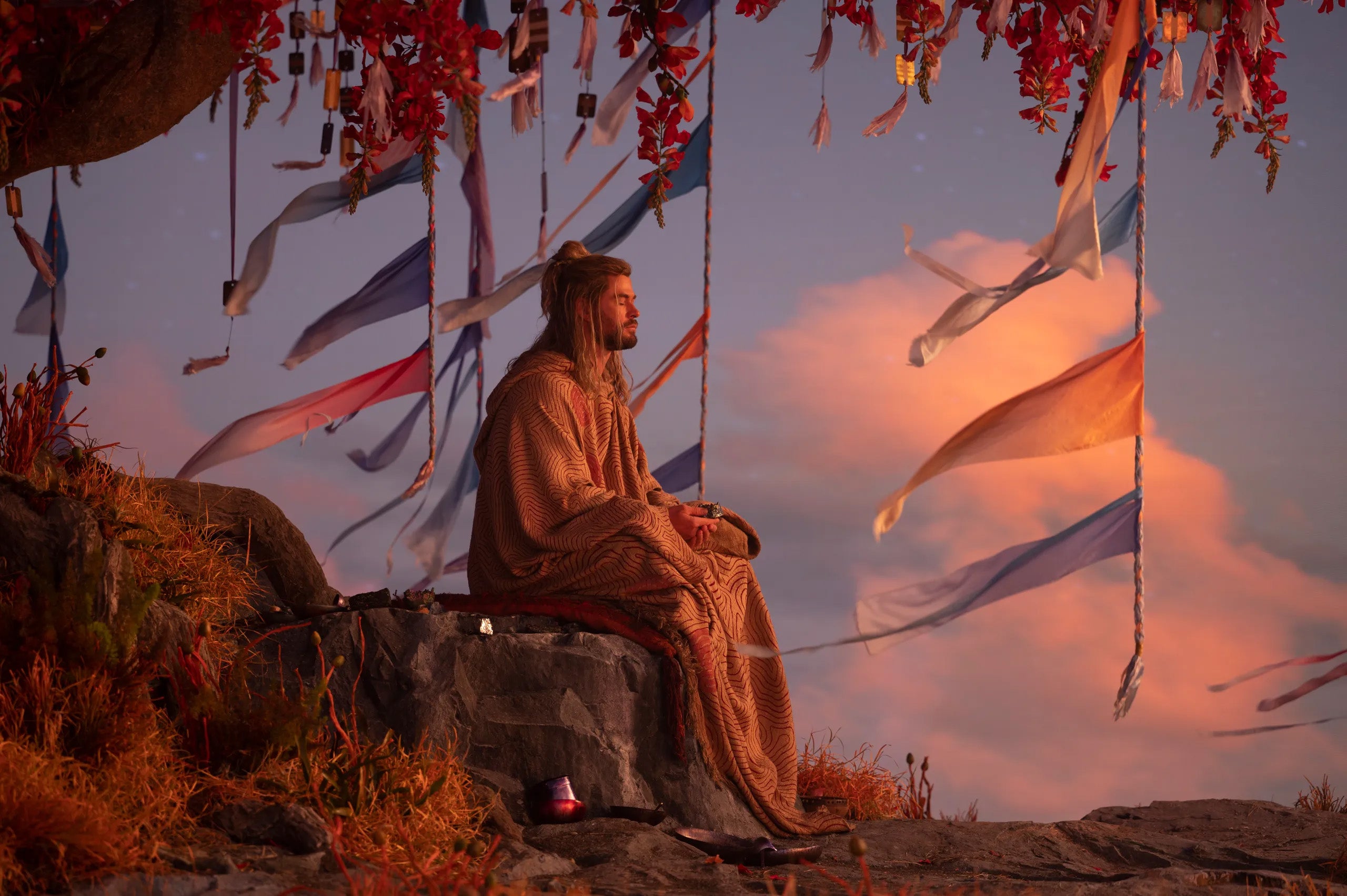
There is something unmistakably archaic in the cadence of the prayer. It feels lifted from the spirit of the Iliad or the Odyssey not in language that alienates, but in rhythm that remembers. Ancient poetry translated for modern ears. Simple words, heavy with fate.
For years, Thor has been called “Shakespeare in the Park” by Tony Stark—a joke that never truly came to pass. His solo films flirted with grandeur but often retreated into parody. The godliness was muted. The myth was softened. But here, in this brief moment of stillness, Marvel seems to finally embrace what Thor has always represented: not just strength, but tragedy; not just power, but reverence; not just thunder, but prayer.
The question now lingers like mist over a battlefield: Is this a true return to mythic form—or merely a single beautiful note before the noise resumes?
But for now, the Gods, it seems, are finally being allowed to speak the way they must.
If you have any questions regarding Avengers: Doomsday, feel free to ask in the comments below. For more content, stay tuned. As usual, like, subscribe, and share our articles as we here are trying to build a community of people High on Cinema!