A Knight of the Seven Kingdoms: 5 Things That Set It Apart From Game of Thrones and House of Dragons
 Parijat Ghosh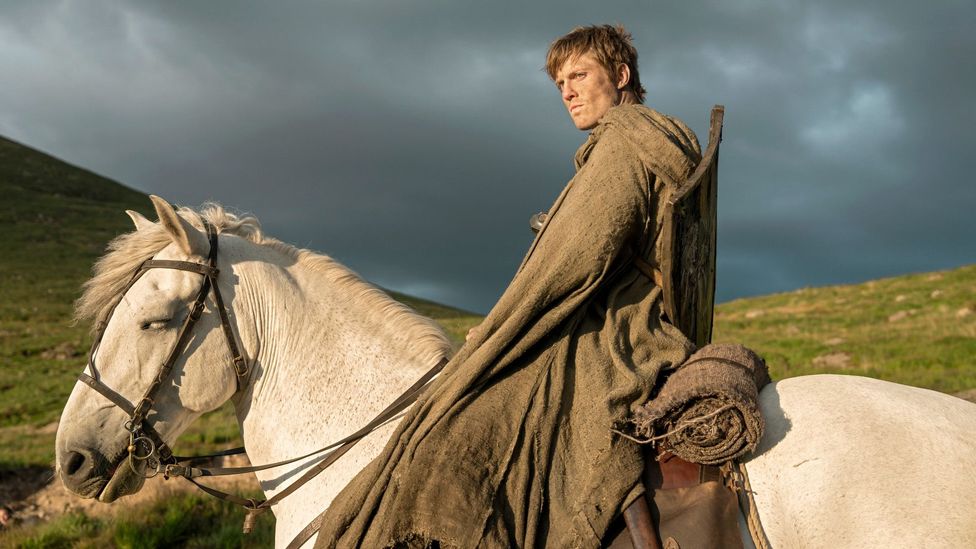
A Knight of the Seven Kingdoms is HBO’s newest Westeros spin-off, and it already feels radically different from Game of Thrones and House of the Dragon. The series is based on George R. R. Martin’s Tales of Dunk and Egg novellas and premiered on January 18, 2026. It follows Ser Duncan the Tall and his young squire Aegon Targaryen, set around ninety years before Game of Thrones. From tone to storytelling scale, the show intentionally breaks away from the grim epic template that defined the franchise. Here are five major ways it stands apart.
1. A Rare Adaptation That Sticks Close to the Books
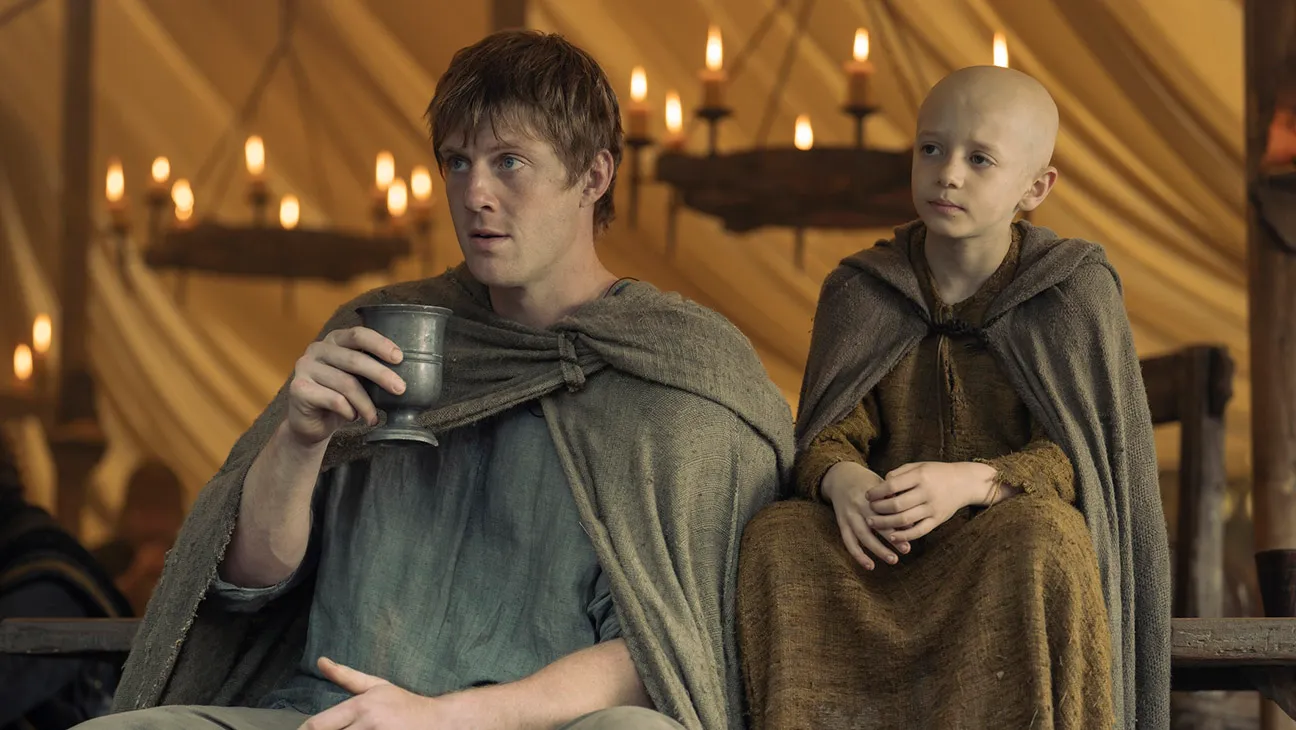
The show directly adapts The Hedge Knight, the first Dunk and Egg novella, with George R. R. Martin involved as creator and executive producer. Unlike Game of Thrones, which diverged heavily from the novels in later seasons, and House of the Dragon, which expands a sparse historical text, this series has a tightly written source story and a smaller cast. That makes faithful adaptation easier and so far, the show follows the core structure, character dynamics, and themes of the novellas. The focus stays on Dunk’s journey as a hedge knight and Egg’s hidden royal identity rather than rewriting arcs for shock value.
2. A Brighter, More Colorful Westeros
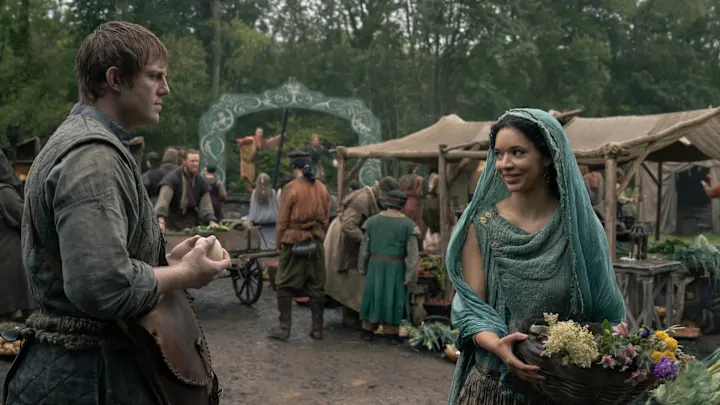
The production intentionally leans into a more vibrant medieval aesthetic instead of the desaturated look of earlier shows. This reflects the timeline. The series is set when the Targaryen dynasty is still stable and the world has not yet collapsed into the bleak political chaos seen in Game of Thrones. Armor looks polished. Costumes look ceremonial. Landscapes feel alive. The world feels lived in rather than exhausted. It visually signals that this is a different era and a different tone.
3. Humor That Matches Martin’s Dunk and Egg Tone
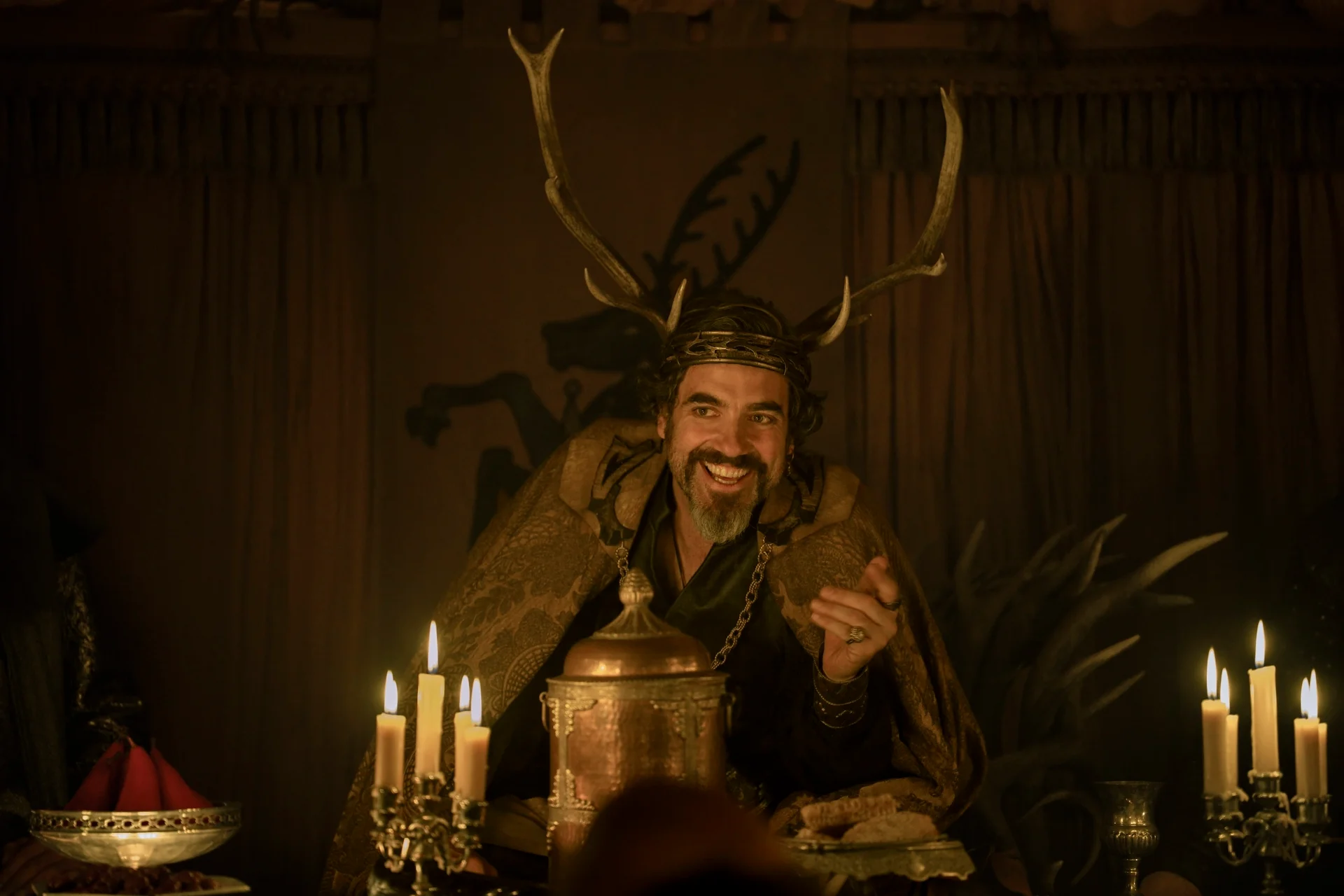
A Knight of the Seven Kingdoms Showrunner Ira Parker has openly said the series leans into comedy and character driven humor rather than constant grim drama. The story uses Dunk’s awkwardness and moral earnestness to create comedic situations while keeping emotional sincerity intact. This aligns with the novellas, which are lighter, warmer, and more human than the main A Song of Ice and Fire saga. The humor does not break immersion. It comes from character interactions, social class misunderstandings, and Dunk’s idealism in a cynical world.
4. Casting Focused on Character Fit
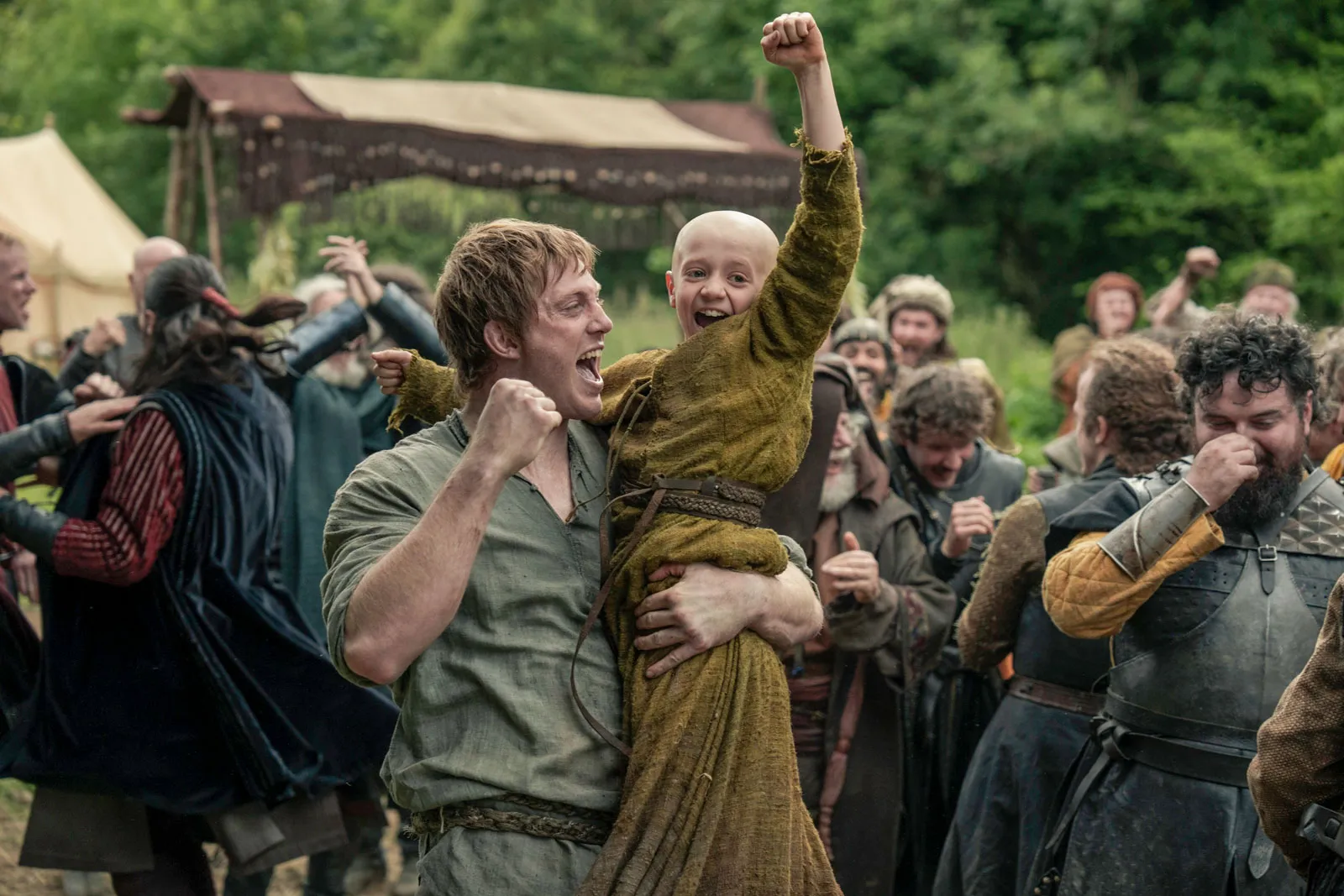
The leads were cast with Peter Claffey as Dunk and Dexter Sol Ansell as Egg, with a supporting cast that includes Finn Bennett, Bertie Carvel, Daniel Ings, Sam Spruell, and others. The casting emphasizes age accuracy, physicality, and personality alignment with the books rather than celebrity power. This contrasts with past criticism of earlier shows for visual or age mismatches. The result is a cast that feels pulled straight from the page.
5. Less Fantasy, Yet More Magical in Tone
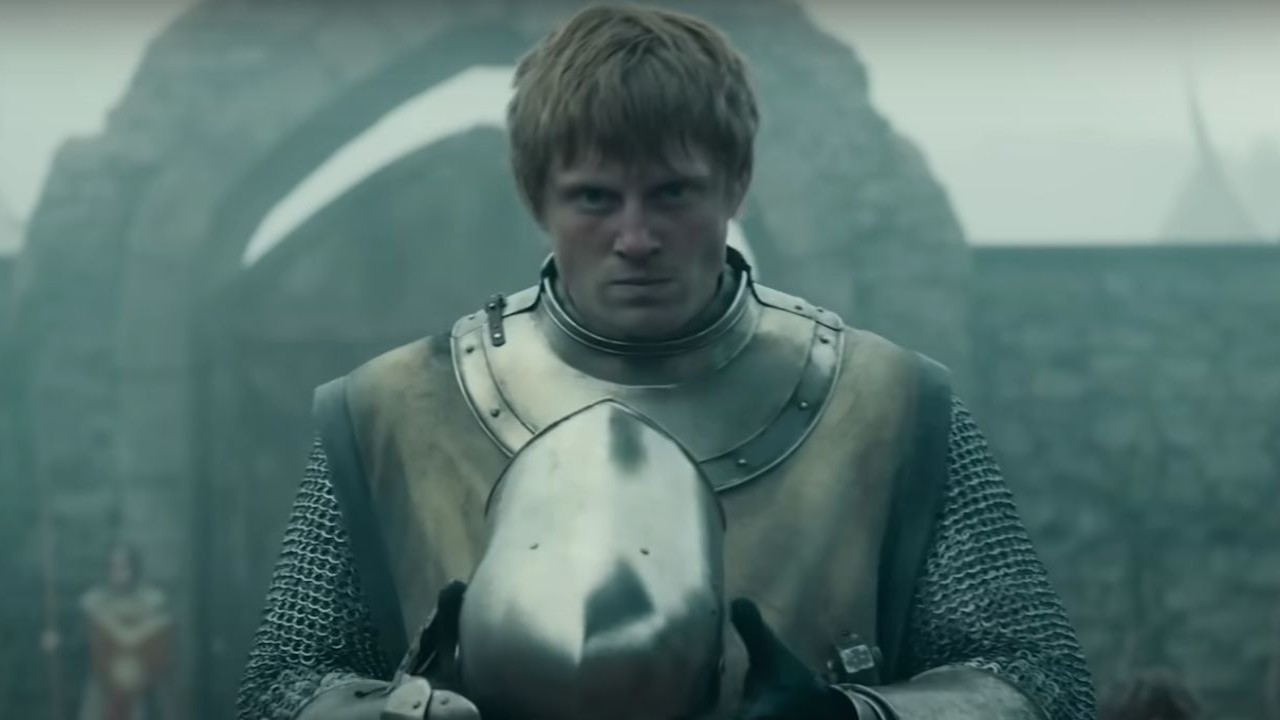
Unlike Game of Thrones and House of the Dragon, this series has no dragons in active use, no large-scale magic systems, and no world-ending threats. The story centers on everyday people in Westeros and on smaller personal stakes. Yet it feels more magical because it embraces medieval romanticism, chivalric ideals, and mythic storytelling. Dunk’s journey is framed like a classic knightly legend, and Egg’s hidden royal destiny adds mythic weight without spectacle. It proves fantasy does not need dragons to feel fantastical.
A Knight of the Seven Kingdoms is deliberately smaller, warmer, and more intimate. It trades political apocalypse for character growth. It trades bleak realism for storybook charm. It trades spectacle for sincerity. That is not a downgrade. It is a tonal evolution. And honestly, after years of grimdark Westeros trauma, this might be exactly the spin-off the franchise needed.
But what are your thoughts? Is the newest spin-off actually better than House of Dragons and later seasons of Game of Thrones? Let us know in the comments below. For more content, stay tuned. As usual, like, subscribe, and share our articles as we here are trying to build a community of people High on Cinema!