Parijat Ghosh
Episode 3 of Jujutsu Kaisen Season 3, “About the Culling Game,” marks the third installment of Jujutsu Kaisen Season 3. Instead of flashy fight scenes, it gives us a deep dive into the mechanics of the Culling Game, straight from Master Tengen. Most of the screen time focuses on rule explanations, lore dumps, and the setup for the coming arc. Fans on social media had mixed reactions, with some calling it one of the most exposition-heavy episodes in the series.
The pacing deliberately slows down. Studio MAPPA chooses explanation over action, knowing that understanding the Culling Game is crucial before the battles begin. Manga readers recognize this as a faithful adaptation of early chapters from the “Culling Game” arc. Some viewers found this lull boring, but others appreciated the clarity. The episode translates complex rules from the manga into visual form, sometimes using flowcharts and diagrams that make sense only when you pause and think. So let’s break down those rules:
Jujutsu Kaisen Season 3 Episode 3: The Culling Game Explained

The Culling Game is a nationwide cursed battle royale initiated by Kenjaku as part of his grand plan to evolve humanity (the anime doesn’t focus much on this plan in Episode 3, but the manga does). It functions under strict rules that govern participation, scoring, movement, and survival. Here are the core rules as adapted from the manga panels and Episode 3 explanation:
Rule One: Awaken cursed energy first, then join a colony within 19 days.
To become a player in the Culling Game, a person must first awaken a cursed technique. Once awakened, they have exactly 19 days to go to any barrier colony and declare participation. If they fail to do so, their cursed technique is forcibly removed. Without cursed energy, they are effectively dead. This forces everyone eligible into action. No grazing on the sidelines. If you get cursed powers, you either join the game or lose everything.
Rule Two: Break the first rule and lose your cursed technique.
This rule clarifies that failure to join on time gets punished immediately. There is no milder consequence. Delaying or refusing to participate means your cursed energy is ripped away. Players literally fade away without cursed technique. Side effect: It stops casual avoidance strategies and instantly raises tension.
Rule Three: Enter a colony, and you are a player.
Colonies are barrier-sealed zones across Japan. If someone who is not already a player accidentally or intentionally steps into one of these colonies, they immediately become a Culling Game participant. There is no “maybe.” Walk in, you’re in. This is how Kenjaku expands the contestant list to include civilians and reincarnated sorcerers.
Rule Four: Killing gives you points.
The only way to gain points is to kill other players. Points measure a player’s value and power relative to the rest of the participants. Everyone gets assigned a life value. When you take someone’s life, you get that number of points added to your score. Points aren’t just arbitrary. They are the currency of survival and strategy.
Rule Five: Sorcerers are worth 5 points; non-sorcerers are worth 1 point.
This is the standard scoring scheme. Powerful characters have higher value, so defeating them yields bigger rewards. There are exceptions, but this ratio defines most early game strategies. So yes, killing a civilian for 1 point is literally one-fifth as good as offing a sorcerer. Sucks, but rules are rules.
Rule Six: Reach 100 points to change a rule.
Once a player accumulates 100 points (excluding the value of their own life), they get to propose one new rule to the Culling Game. This is huge. It means powerful players can shape the battlefield itself and influence strategic outcomes. This rule is straight from the manga and becomes a major driver of character goals later on.
Rule Seven: The Game Master must accept new rules as long as they don’t break the system.
This means proposed rules cannot fundamentally end or contradict the Culling Game structure. The game system accepts new rules, but only within limits. Players might think they can trick the game, but this clause exists to prevent easy escapes or rule abuse.
Rule Eight: No points for 19 days and you die.
This second 19-day limit ensures movement and fighting. If a player’s point total does not increase for 19 days, they lose their cursed technique. Just like Rule One, failing to score kills your cursed energy. This rule eliminates passive camping. If you’re not active, you don’t survive.
What the Episode Reveals About Strategy
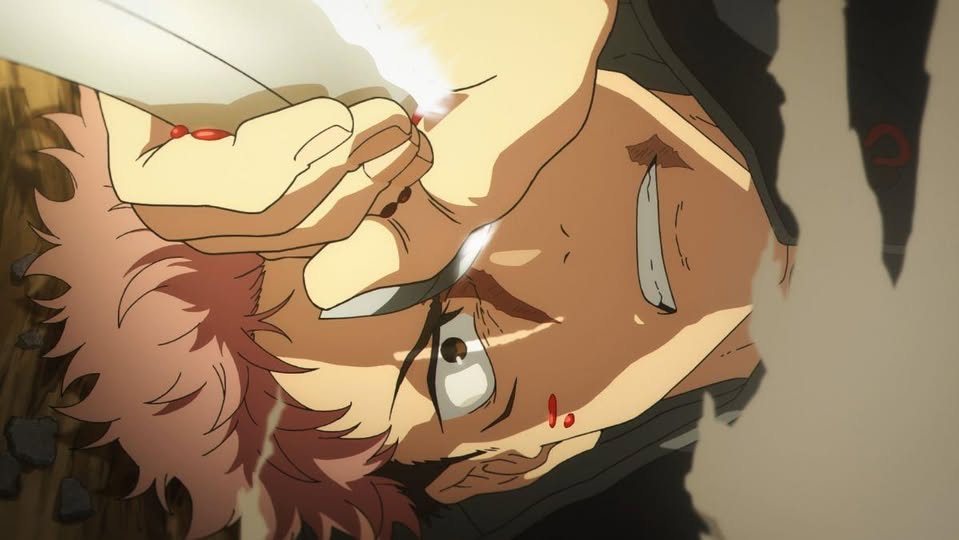
Episode 3 does more than recite rules. It shows how players think and what these rules mean on a strategic level. Here’s what the exposition sets up:
- Accumulate points to change the rules: This becomes the goal for Yuji and Megumi. They need 100 points not to dominate, but to amend the game mechanics in ways that help allies, rescue friends, and possibly carve out an escape.
- Understand barriers: Colonies aren’t just arenas. They are sealed ecosystems where these laws govern existence. Knowing barrier mechanics will be as important as fighting skills.
- Allies matter: Because you can transfer points under certain rules, alliances become tools for survival and rule manipulation.
At face value, it looks like a battle royale. But once you factor in rule creation, alliances, and strategic sacrifices, the Culling Game becomes more like a chess match that costs lives.
Why Jujutsu Kaisen Season 3 Episode 3 Was So Heavy on Explanations

Fans reacted strongly because Episode 3 ditches action for a detailed lore session. It was more flowchart than punch. Many viewers found it slow, but manga readers know this groundwork is essential for understanding everything that follows in the Culling Game arc. This setup ensures that once combat picks up, viewers are not lost in the logic of the world. It also expands the scale from a single fight to an evolving, unpredictable system in motion.
Episode 3 of Jujutsu Kaisen Season 3 leans into exposition for good reason. It takes one of the most complex arcs in the manga and turns it into a living, breathing set of rules you need to master before the fun and fear begin. If Episode 3 was boring, Episode 4 promises a payoff. But without knowing what you must do and what you cannot do, you would miss half the tension and thrill once the battles resume.
If you have any questions regarding Jujutsu Kaisen episode, feel free to ask in the comments below. For more content, stay tuned. As usual, like, subscribe, and share our articles as we here are trying to build a community of people High on Cinema!