The Mandalorian and Grogu Reviews Roundup: Star Wars’ Big Screen Return Divides Critics
 Abheet Gupta
After years of Disney+ domination, Star Wars is finally heading back to cinemas with The Mandalorian and Grogu. This is the franchise’s first theatrical feature since Star Wars: The Rise of Skywalker divided audiences and seemingly pushed Lucasfilm into a long period of creative recalibration. Directed by Jon Favreau and co-written alongside Dave Filoni, the film continues the story of Din Djarin and Grogu after the events of the Disney+ series The Mandalorian. While many reviewers praised the film’s warmth, creature work, and old-school adventure tone, a much louder chorus criticized it for feeling small, safe, and fundamentally unnecessary as a theatrical experience. So without further ado, let us dive in.
The Mandalorian and Grogu Review Aggregator Breakdown
The critical response has landed firmly in mixed territory:
- Rotten Tomatoes: 60%
- Metacritic: 55/100
- Letterboxd: 3.2/5
Those numbers paint a clear picture: this is not a catastrophic failure on the level of some franchise disasters, but neither is it the triumphant cinematic rebirth Disney may have hoped for. The consensus emerging across reviews is that the film is pleasantly watchable but painfully low-stakes, which hints at a project content to survive rather than soar.
Several critics repeatedly returned to the same criticisms like a lack of ambition, minimal narrative consequence, overreliance on nostalgia and fan service, TV-scale storytelling stretched into feature length, and a franchise increasingly afraid to take risks. At the same time, even many negative reviews admitted there’s still charm in watching Din Djarin and Grogu together, especially for younger audiences and longtime fans attached to these characters.
The Good: Charm, Warmth, and Grogu Still Working His Magic
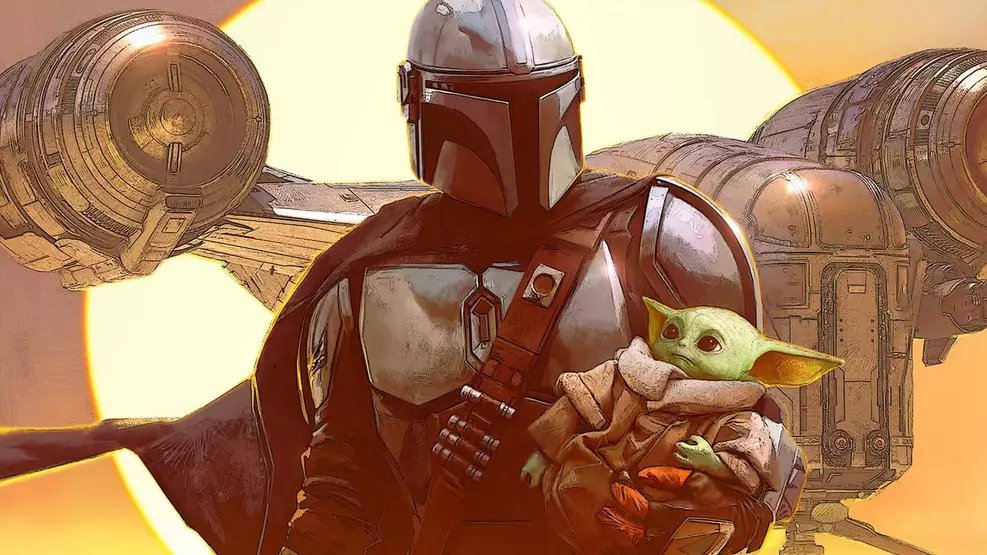
Even critics who disliked the film often admitted that the central duo remains compelling enough to carry portions of the movie. At Nerdist, Rotem Rusak gave the film a strong 4/5 and praised its emotional sincerity: “There’s just something that feels kind about this movie… The good guys get good things, the bad guys get their due.”
That sense of comfort-food escapism appears to be one of the film’s most appreciated qualities. Several reviewers noted that the movie succeeds most when it slows down and focuses on the relationship between Din and Grogu instead of franchise obligations. Bilge Ebiri at Vulture highlighted one quieter sequence as the movie’s best moment: “The film is at its best when it really slows down… it briefly reminds us of the wide-canvas irreverence that Favreau once seemed capable of.”
Meanwhile, Kristen Lopez at The Film Maven called it: “A lovable mess.” She specifically praised the “Jim Henson vibe” created by the creature effects and puppetry — one of the few aspects almost universally praised across reviews. The score from Ludwig Göransson also received regular praise, with DiscussingFilm noting fans at least have “another incredible score” from the Oscar-winning composer.
Even some harsher critics acknowledged the movie may still work for families and younger audiences. Sonny Bunch at The Bulwark summed up the divide perfectly: “I think my kids… are going to enjoy The Mandalorian and Grogu… and I think it plays like a couple of mid-tier episodes from the TV series.”
The Bad: Safe, Small, and Shockingly Inconsequential
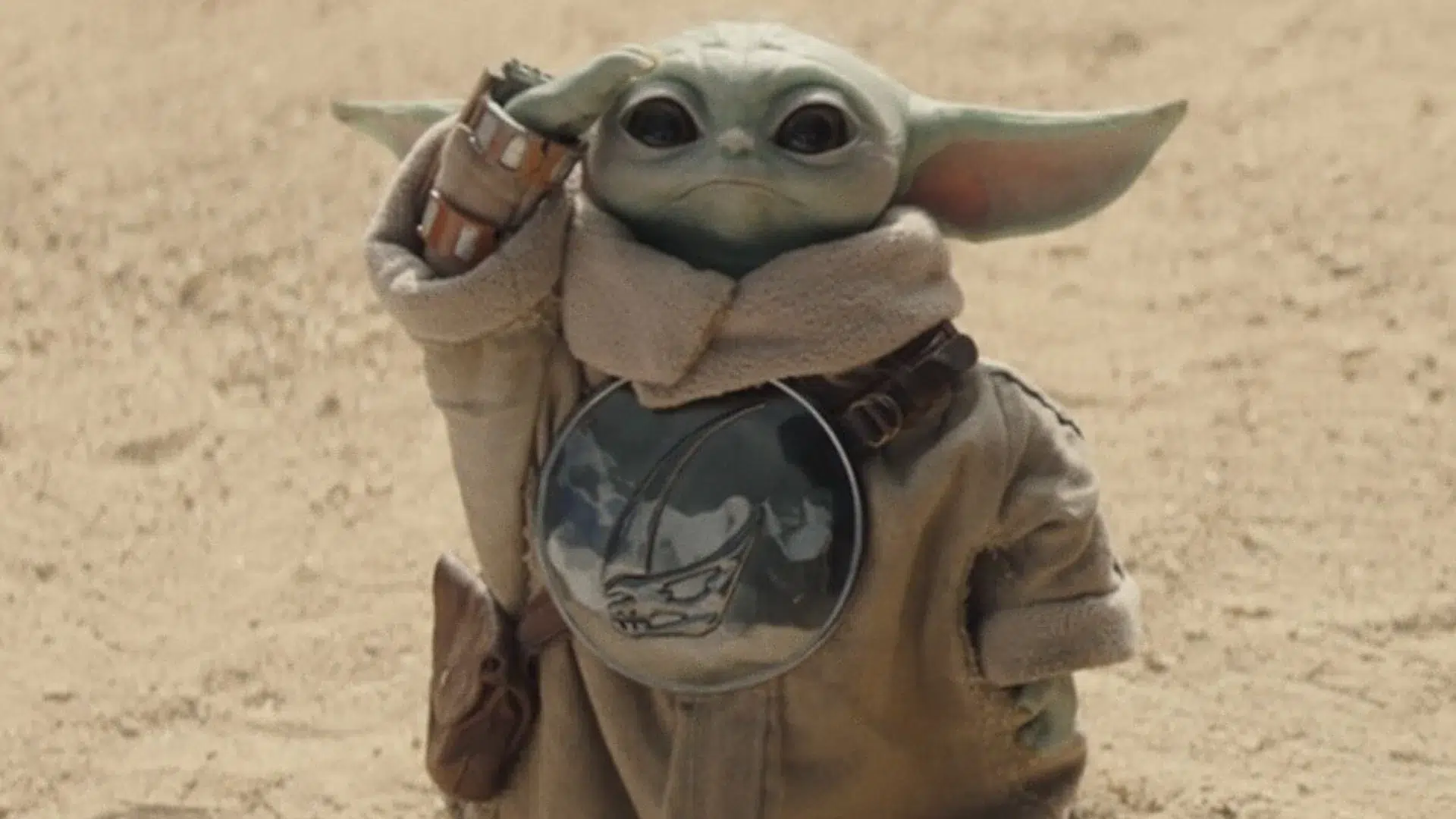
The biggest criticism leveled against the film is not that it’s offensively terrible but that it barely feels like a movie at all. Again and again, critics describe a project lacking urgency, thematic depth, or cinematic scale. At Empire, John Nugent wrote: “It feels like the least consequential Mandalorian chapter yet.” The review argues that even episodes from The Book of Boba Fett carried more narrative importance.
Similarly, Total Film concluded: “It isn’t the Star Wars cinematic rebirth that Lucasfilm may have been hoping for.” The “safe” criticism appears constantly throughout the review thread. Critics argue the film refuses to take risks artistically, emotionally, or narratively. Looper’s Reuben Baron delivered one of the harsher summaries: “These movies have always had risk and ambition… something so bereft of that can’t help but feel disheartening.”
At IGN, Tom Jorgensen criticized the film for lacking genuine growth or surprise: “A Star Wars movie missing the thrills, the surprises, the challenges…” Meanwhile, several critics argued the film suffers from “streaming-era storytelling” inflated to theatrical length. Hoai-Tran Bui at Inverse bluntly declared: “The Mandalorian and Grogu Is Barely A Movie.” And perhaps the most repeated complaint of all: nothing truly matters. The story reportedly resets itself without major emotional or narrative consequences, leaving critics wondering why this needed to be a theatrical event in the first place.
The Ugly: “Content,” Corporate Exhaustion, and a Franchise Identity Crisis
Where the reviews become truly brutal is in what they say about the state of Star Wars itself. Many critics use the film less as a standalone target and more as evidence of broader franchise fatigue. Rodrigo Perez at The Playlist delivered one of the most devastating assessments: “Star Wars started mistaking brand extension for imagination and fan service for feeling.” He continues: “It feels like it’s dangling over Cloud City, hand gone, saber lost, and no rescue in sight.”
Similarly, Kate Erbland at IndieWire argued the movie ultimately feels: “Disposable… content.” That word “content” appears to haunt many modern franchise discussions, and several reviewers frame this movie as the culmination of Disney-era overproduction. At Slash Film, Jeremy Mathai called it: “A shallow, shamelessly corporate commercial to move some merch.” Perhaps the harshest review came from Matt Oakes at Silver Screen Riot, who compared the film negatively to Andor: “While Andor reached for the stars, this scoops the fetid muck from the bottom of the bantha pen.”
Even longtime defenders of the franchise appear frustrated by what they see as a refusal to evolve. Multiple critics specifically contrasted the film with the ambition of projects like Andor, arguing that Star Wars currently feels divided between creators pushing boundaries and creators retreating into nostalgia.
Final Take
The emerging consensus around The Mandalorian and Grogu is fascinating because it isn’t centered on outrage, controversy, or disaster. Instead, critics seem saddened by it. Most agree the film is perfectly watchable. Some even find it charming. But many reviews read like obituaries for a franchise once defined by cinematic imagination and mythic scale.
For audiences already invested in Din Djarin and Grogu, there’s likely enough heart, action, and creature charm to justify the ride. But for those hoping this would restore Star Wars as a must-see theatrical phenomenon, critics suggest the Force may still be searching for balance.
If you have any questions regarding Star Wars or The Mandalorian and Grogu, feel free to ask in the comments below. For more updates, stay tuned and stay High on Cinema!