Abheet Gupta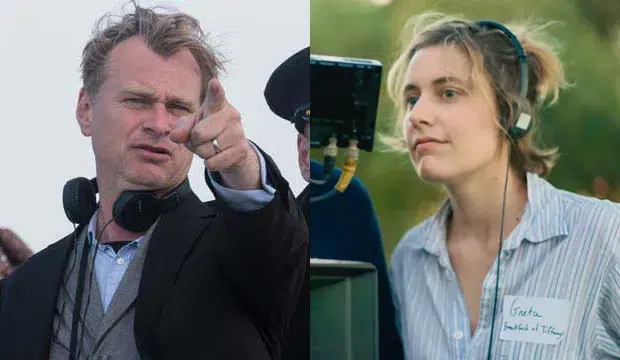
Fantasy and mythology are probably my favorite genres in fiction. And when it comes to cinema, there is something uniquely exciting about seeing filmmakers take worlds, characters and stories that existed for centuries or decades and bring them to life. But lately, I have found myself asking a rather depressing question: do Hollywood fantasy movies actually understand fantasy anymore?
From The Witcher and The Wheel of Time to The Rings of Power, Game of Thrones, and now Christopher Nolan’s The Odyssey & Greta Gerwig’s Narnia, there seems to be a growing tendency to sanitize characters, simplify worlds, ignore source material and replace imagination with “grounded” realism. And yes, some of these problems overlap with modern Hollywood’s obsession with representation and contemporary sensibilities. But this is not simply an argument against “woke” casting or diversity. The bigger problem is that filmmakers increasingly seem unwilling to embrace what makes fantasy and mythology special in the first place. Let’s dive in!
1. Sanitization and Simplification of Characters
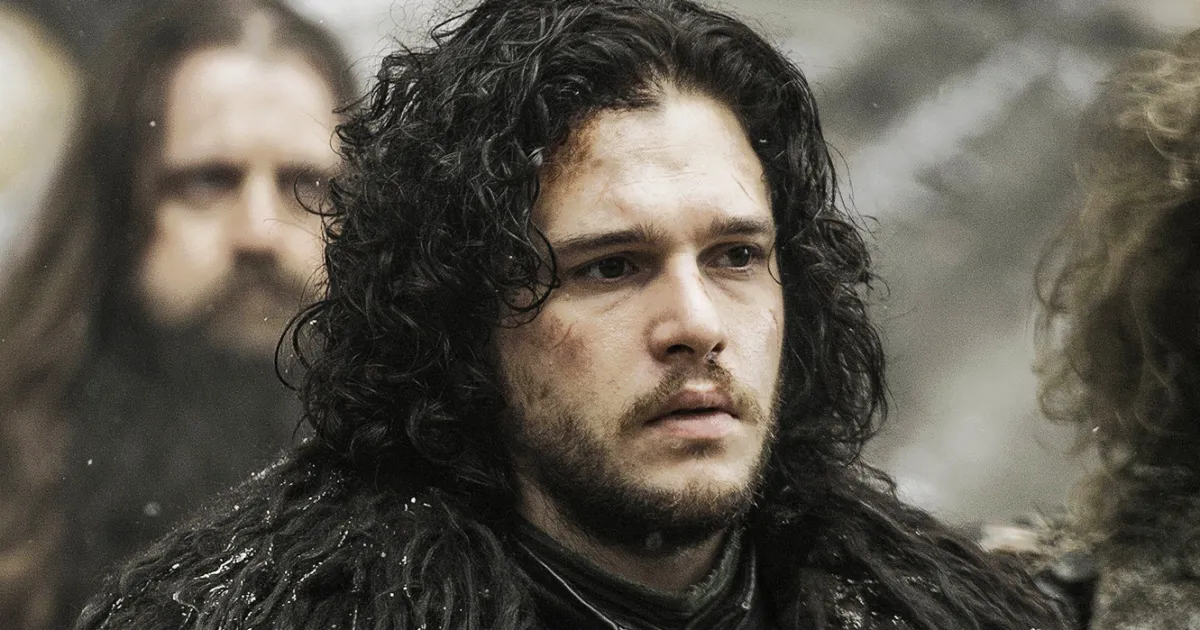
Cinema should ideally add complexity and depth to characters. Instead, many modern adaptations seem to do the opposite. Heroes are increasingly presented as fundamentally good, traumatized people who can do no wrong, while villains are either irredeemable psychopaths or sympathetic victims of trauma. The ‘messy middle’ which is the thing that makes characters human disappears.
Look at characters such as Jon Snow (HBO’s Game of Thrones) or Odysseus (Nolan’s The Odyssey). Their literary versions are complicated, ambitious, flawed and sometimes deeply unpleasant. That is part of what makes them interesting. Literature obviously has advantages here, particularly through internal monologues, but filmmakers once found creative ways to translate complicated personalities onto the screen. Today, they often simply remove the complications altogether.
2. Casting and Character Appearance Issues
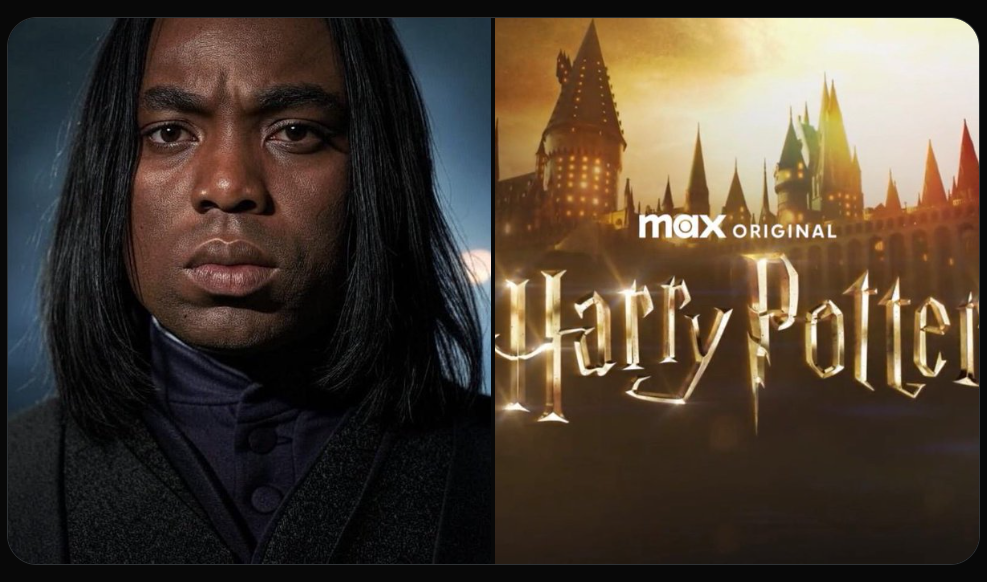
Casting is probably the biggest point of contention between fans and modern fantasy productions. Representation itself is not the problem; the problem is when casting and characterization make an adapted character barely recognizable. Appearance matters in fantasy because authors often spend pages establishing how these people, races and cultures look.
The Targaryens and Velaryons (HBO’s Game of Thrones & House of Dragons), the new Severus Snape (HBO’s Harry Potter), many characters in Nolan’s The Odyssey, several elves in Amazon’s The Rings of Power, and the upcoming casting choices in Narnia have all sparked similar discussions. Even outside major productions, The Witcher and The Wheel of Time have faced severe criticism over casting and character appearances. There was once an enormous effort to make actors physically resemble the characters they were portraying. Today, it sometimes feels like authenticity is treated as optional.
3. They Don’t Even Aim for World-Building or Massive Sets

Fantasy is supposed to make you feel like you have entered another world. Peter Jackson’s The Lord of the Rings trilogy understood this perfectly. The sets, costumes, miniatures, locations and visual effects all worked together to make Middle-earth feel enormous, ancient and completely different from our world.
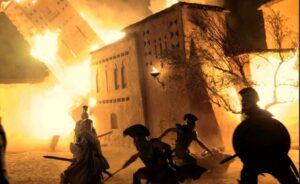
Modern productions increasingly seem afraid of that ambition. Game of Thrones famously reduced many of Martin’s fantastical locations, lore, and environments, while The Odyssey appears to be taking an aggressively grounded approach to a story which is supposed to be built around gods, monsters and supernatural forces. But Nolan actively converted palaces to cottages, removed every semblence of Gods, and removed aesthetic bronze armors in favor of dull leather costumes. There is nothing wrong with realism, but we are talking about fantasy and mythology. Why make these worlds look exactly like the world we already live in?
4. Source Material? What’s That?

This is perhaps the most frustrating part. Adaptations are obviously allowed to make changes. Filmmakers need creative freedom, and I have absolutely nothing against artistic interpretation. But there is a difference between adapting something and deciding that the original material needs to be replaced by your own vision.
The Witcher is a particularly obvious example of how badly this can go when creators lose interest in the spirit of the material. And even acclaimed filmmakers are not immune. Nolan has taken a 3,000-year-old epic filled with complex characters, immoral interventions of Gods, and what not and reduced it to a simple adventure story of a guilt-ridden hero. Same desecration of source material can be seen in nearly every recent or upcoming fantasy / mythology / epic production. Granted these are their artistic choices, and they are entitled to make them. But if you dislike the fundamental qualities of a story, why adapt it in the first place? You can always tell your own story with your own character and worlds.
5. Huge Budgets But Very Little Vision
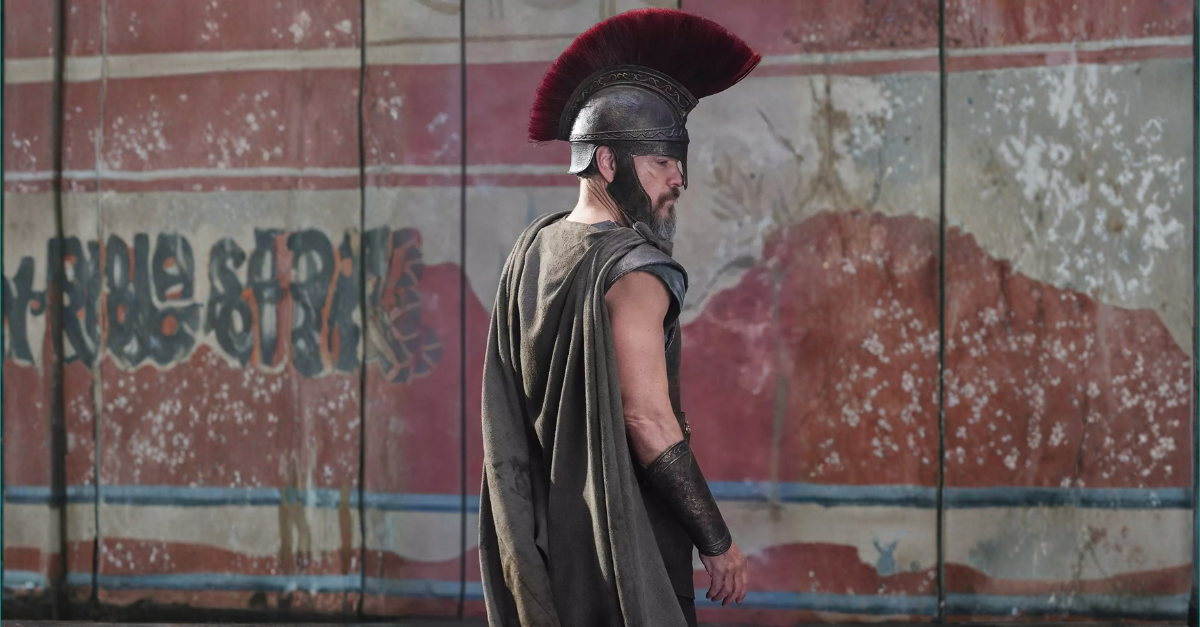
There was a time when filmmakers had genuine technical limitations. They could not digitally create anything they imagined, so they found solutions. They built miniatures. They painted backgrounds. They constructed enormous sets. They used practical effects, forced perspective, makeup and clever camera tricks.
Today, the technology is extraordinary and these productions have hundreds of millions of dollars behind them. If an actor cannot wear a particular contact lens, there is CGI. If a massive set cannot be built, there are miniatures, virtual production and digital environments. If something is impossible to film conventionally, filmmakers have more tools than ever to find another solution. Yet somehow, many fantasy productions feel less imaginative than the films made decades ago. The problem is no longer what technology allows. It is whether filmmakers have the vision and passion to use it.
Fantasy Deserves Better
I don’t think Hollywood should stop making fantasy and mythology because the genres are impossible to adapt. I think Hollywood should stop making them if it isn’t willing to actually embrace what makes them special. There are exceptions of course like David Lowery’s The Green Knight or Dungeons and Dragons (2023). But the point is that fantasy does not need to be embarrassed by its fantasy. Mythology does not need to be stripped of its Gods and monsters to become respectable. Characters do not need to be sanitized, worlds do not need to be made smaller, and adaptations do not need to apologize for the books, legends and stories that made audiences fall in love with them.
Give us enormous castles, strange creatures, beautiful armors, worlds that look like nothing we have ever seen before. And more importantly, give us the flawed heroes, complicated villains, moral dilemmas, lessons and philosophy which made those IP’s immortal. Make the worlds more magical but the characters more real, not the other way around. That is all what’s required!
If you have any thoughts on this topic feel free to share them in the comments below. For more content, stay tuned. As usual, like, subscribe, and share our articles as we here are trying to build a community of people High on Cinema!