
 Abheet Gupta
Christopher Nolan’s latest epic is a technical marvel. It is also one of the most divisive literary adaptations in recent memory, not because it changes Homer’s story, but because many readers believe it changes what the story is about. Nolan’s The Odyssey has received almost universal acclaim from critics and audiences alike, and deservedly so in many respects. As cinema, it is immersive, technically astonishing and consistently engaging. Strip away any attachment to Homer’s poem, and this is still an easy recommendation for anyone looking for a grand cinematic spectacle. So what’s the issue?
This Isn’t About Missing Scenes
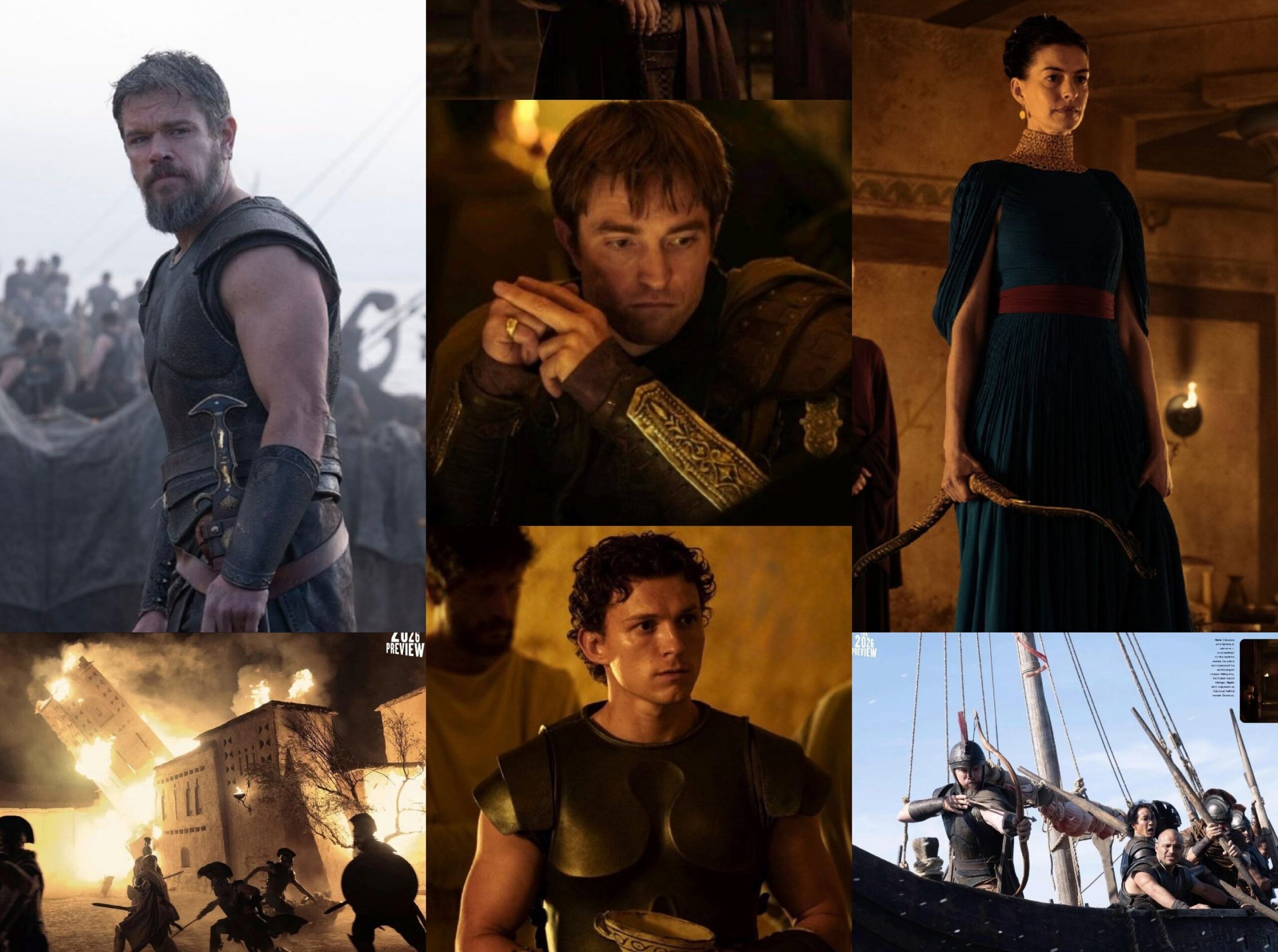
My own objective rating as a standalone film would be 3.5 out of 5. That may surprise readers expecting a scathing takedown. Because despite everything I am about to discuss, I genuinely admire much of what Nolan accomplishes as a filmmaker. Hoyte van Hoytema once again proves why he is among the greatest cinematographers working today. Every frame possesses scale and texture, making the Mediterranean feel mythical without becoming fantastical. Ludwig Göransson continues an astonishing streak of scores that elevate every scene they accompany. If a fourth Academy Award win comes his way, it would hardly be surprising. Nathan Crowley’s production design is magnificent, and although the costumes are far from Bronze Age accuracy, they complement the grounded historical aesthetic Nolan was clearly pursuing.
The performances are equally impressive. The enormous ensemble rarely misses a beat, with each actor bringing conviction to their role regardless of how much screen time they receive. Even Nolan’s direction, despite my disagreements with his adaptation choices, remains confident and engrossing. For viewers unfamiliar with Homer’s text, there is every reason to understand why the film has resonated so strongly. Yet it is precisely because the craftsmanship is so exceptional that the screenplay becomes the film’s greatest source of division. Not because it changes events. Not because it modernizes characters. But because, for many readers, it fundamentally changes what The Odyssey means.
One of the biggest misconceptions surrounding the criticism is that Homer fans simply wanted a page-for-page adaptation. That has never been the expectation as every successful adaptation changes its source material. Peter Jackson omitted Tom Bombadil from The Lord of the Rings. Denis Villeneuve streamlined entire political subplots in Dune. Yet readers generally accepted those films because they preserved the philosophical identity of their respective works. The criticism aimed at The Odyssey is different. Most readers are not asking why Nolan removed a scene but why he removed the ideas those scenes represented!
1. Thematic Changes: From Divine Epic to Psychological Drama
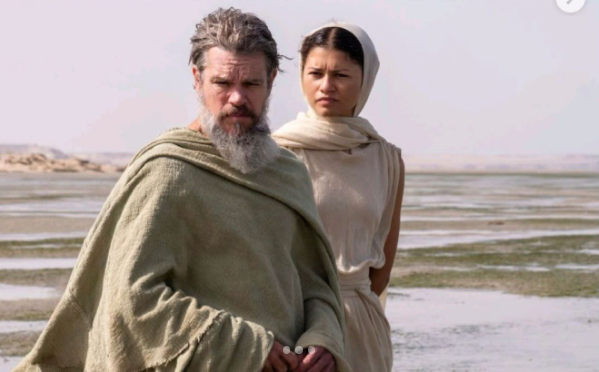
Perhaps the single biggest transformation lies in the treatment of the gods. Most viewers expected divine intervention to be reduced or removed altogether as translating gods literally into live-action cinema was always going to be difficult. But in Homer’s world, the gods are not decorative fantasy elements but are the moral architecture of the story.
Athena represents wisdom, strategy, guidance and divine favour; Poseidon embodies pride’s consequences; Hermes enables destiny to unfold. By replacing Athena with a psychological manifestation of guilt (a haunting vision of a young girl killed during Troy) the film transforms Homer’s worldview into a modern psychological character study. While it is a compelling cinematic idea, it simply isn’t Homer’s central idea.
2. Character Changes: Odysseus Without His Greatest Flaws
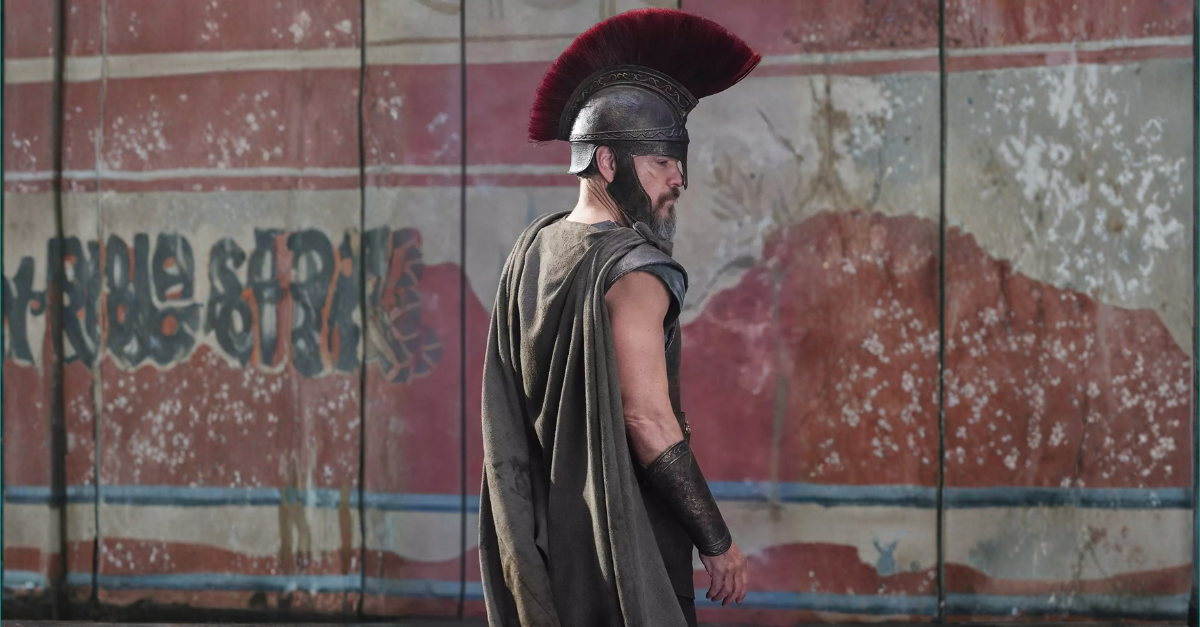
Homer’s Odysseus is beloved precisely because he refuses to fit comfortably into the mould of a conventional hero. He is brave, compassionate, loving, but he is also manipulative, arrogant. and capable of horrifying ruthlessness. His defining tragedy is that the same intelligence which repeatedly saves him is matched by an ego that repeatedly destroys him.
The Polyphemus sequence illustrates this perfectly. Escaping the Cyclops through the famous “Nobody” trick demonstrates Odysseus’ unmatched cleverness but moments later, unable to suppress his pride, he boasts his true identity to the cyclops, provoking Poseidon’s curse and condemning himself to years of suffering.
The film removes both the famous wine deception and the fatal boast and in doing so, it softens the very flaw that defines Odysseus. This pattern continues throughout the film. During the climax, by sparing nearly everyone who submits, Nolan presents a morally cleaner protagonist than Homer ever intended.
3. Journey Changes: Every Island Meant Something
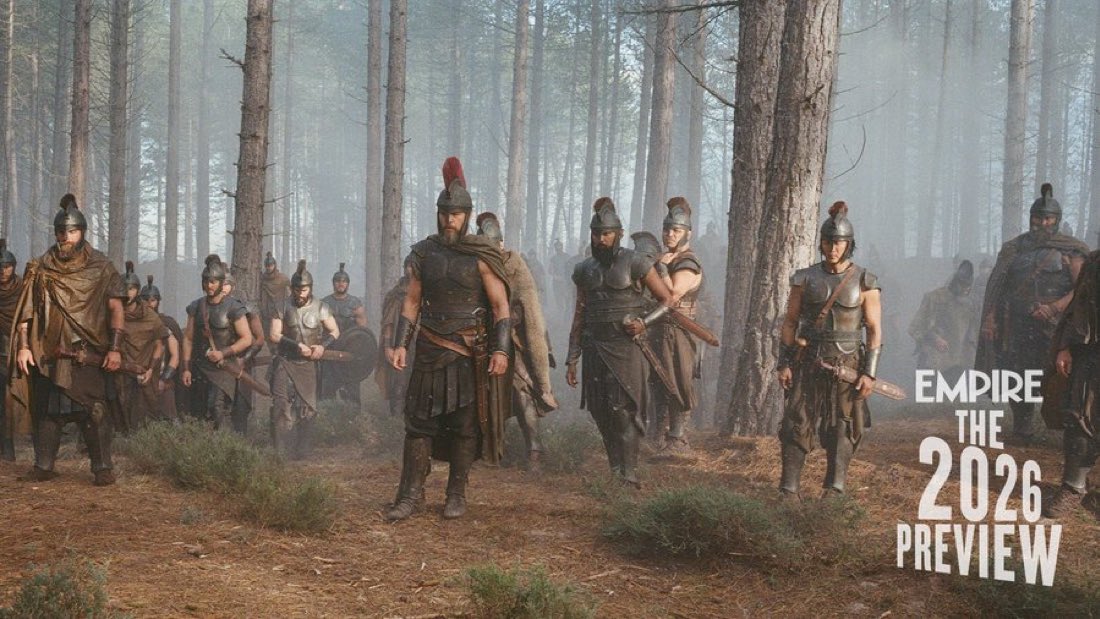
To many viewers, The Odyssey is remembered as a series of adventures for example, Cyclops > Circe > Sirens > Scylla > Helios Cattle > Calypso etc. But Homer’s episodic structure is anything but random as every island represents a moral challenge. Circe is not simply another magical encounter but represents temptation, comfort and forgetting one’s purpose. Odysseus remains with her for over a year, illustrating how even the strongest desire to return home can be overcome by ease and indulgence. In Nolan’s version, they leave the very same evening.
Likewise, the complete removal of the Phaeacians and Nausicaa eliminates one of the poem’s emotional centres. Odysseus hearing Demodocus sing of the Trojan War and breaking down in tears isn’t simply an emotional beat. It is Homer’s most profound reflection on war from the perspective of the survivor. Ironically, this omission is especially striking given the film’s emphasis on anti-war themes everywhere else.
4. Hades: Losing One of Literature’s Greatest Conversations
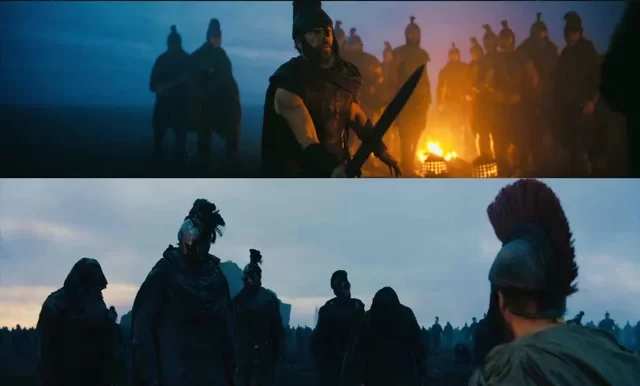
The Underworld sequence is arguably where Homer’s philosophy reaches its peak. Meeting his mother reminds Odysseus what home truly means. Meeting Agamemnon becomes a warning about trust. Meeting Achilles completely overturns the heroic ideals established in The Iliad as the greatest warrior in Greek mythology declares he would rather live as the poorest labourer than reign over the dead.
It is one of the most powerful affirmations of life’s value in all of classical literature. Instead, the film limits these encounters primarily to Agamemnon and self-created subplot of Sinon, transforming Hades from an existential meditation into another narrative checkpoint.
5. Ending Changes: Replacing Ambiguity with Closure
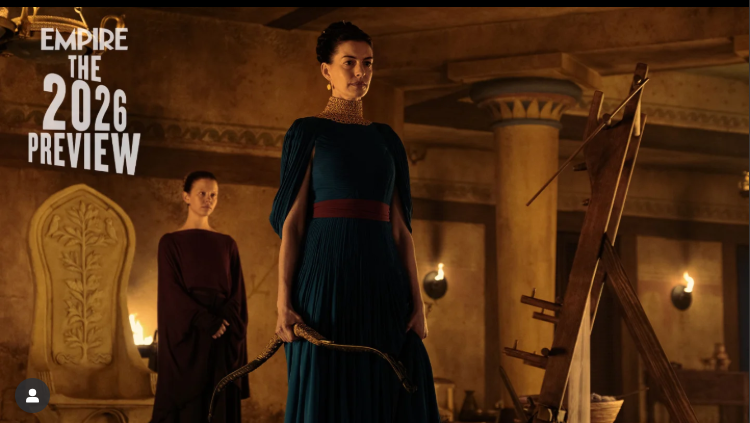
The ending perhaps best illustrates why readers feel the adaptation misunderstands Homer’s intentions. The slaughter of the suitors is not the conclusion but merely the beginning of another cycle of violence. As their families prepare for revenge, Odysseus arms himself once more with his father Laertes and son Telemachus standing beside him. Athena herself in her Godly form intervenes, not simply to save Odysseus, but to prevent the endless bloodshed.
Homer refuses to end with victory and ends with reconciliation. The film instead chooses a peaceful voyage into the sunset alongside Penelope a visually beautiful conclusion, but one that replaces Homer’s uncomfortable meditation on justice, vengeance and peace with a far more conventional emotional resolution. In Nolan’s version we hear cheers from the audience as the cycle of violence ends with violence!
Why So Many Readers Remain Divided
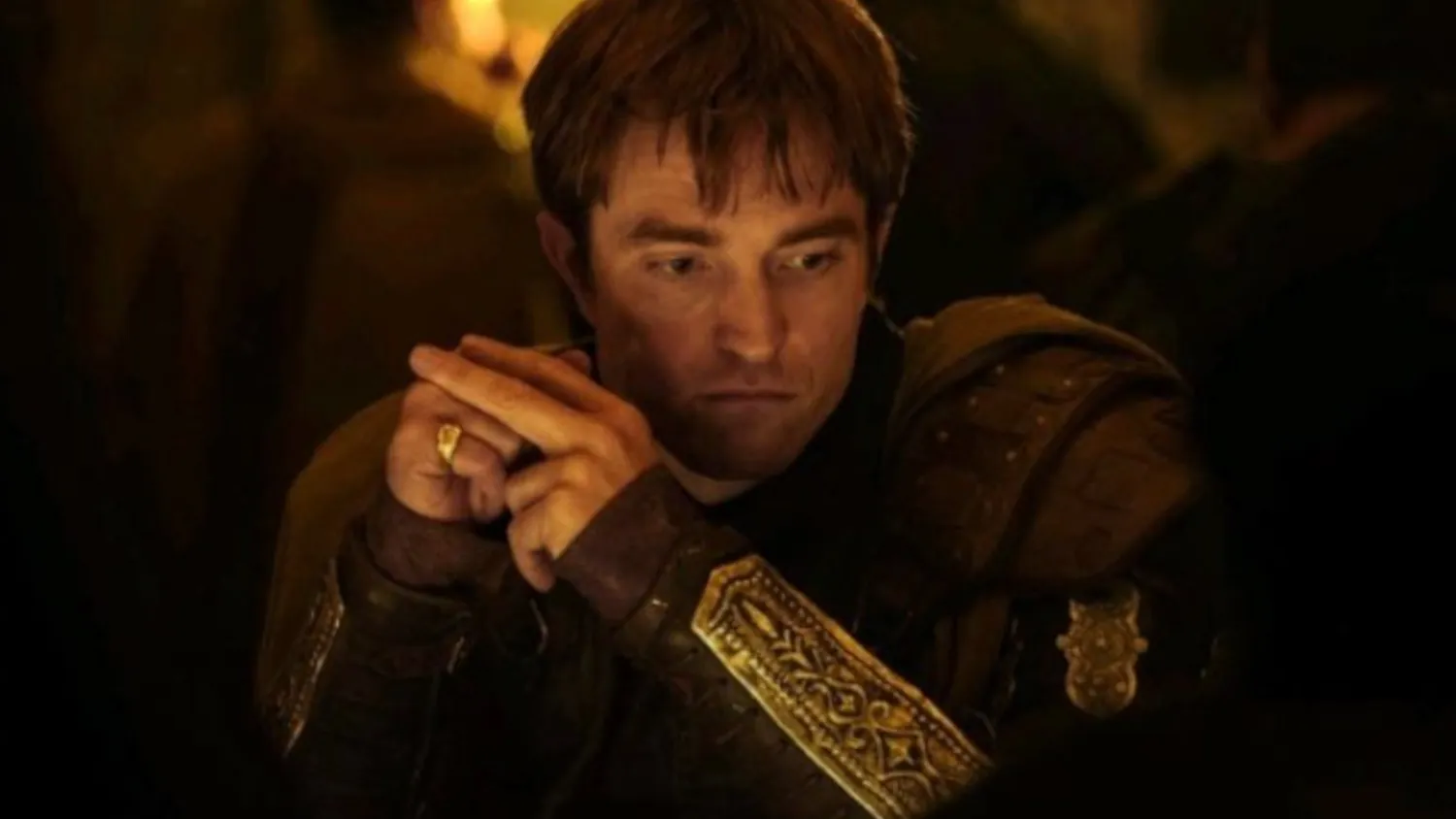
None of this diminishes the extraordinary craftsmanship behind Christopher Nolan’s film. As cinema, The Odyssey succeeds spectacularly in many areas as it is visually breathtaking, impeccably acted, brilliantly scored and consistently engaging. If this story were an original screenplay inspired by Greek mythology, I suspect I would have admired it considerably more.
But adaptations invite two separate questions. Is it a good film? And… Does it preserve the ideas that made the original endure for nearly three thousand years? For many viewers, only the first question matters. For many readers of Homer, the second matters just as much. That is why the film can simultaneously deserve its widespread acclaim while leaving lifelong admirers of The Odyssey deeply conflicted. This is not because it changed Homer’s story but because it changed Homer’s soul.
If you have any questions regarding The Odyssey, feel free to ask in the comments below. For more content, stay tuned. As usual, like, subscribe, and share our articles as we here are trying to build a community of people High on Cinema!





Interesting take on Nolan. I wonder if his storytelling style just doesn’t vibe with Homer readers?