Abheet Gupta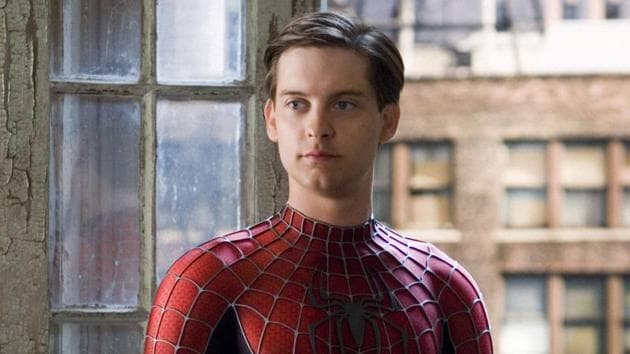
Since the turn of the century, three actors have donned the iconic red-and-blue suit on the big screen. Tobey Maguire first introduced audiences to Peter Parker under the direction of Sam Raimi, Andrew Garfield brought a fresh and emotionally charged take in Marc Webb’s The Amazing Spider-Man films, and Tom Holland reinvented the character within the MCU under Jon Watts before Destin Daniel Cretton took over the reins with Spider-Man: Brand New Day.
Each version has brought something valuable to the table. Garfield delivered perhaps the most charismatic Spidey and an emotionally devastating Peter Parker. Holland gave us the youthful optimism and comic-book energy that seamlessly fit into the Marvel Cinematic Universe. And with Brand New Day, his journey arguably reaches its strongest chapter yet. Yet, despite all these memorable interpretations, there remains something about Sam Raimi and Tobey Maguire’s Spider-Man that continues to resonate with casual audiences and die-hard comic book fans alike. Nearly twenty-five years later, it still feels like the definitive live-action interpretation of the character.
Interestingly, the only adaptation that has managed to evoke a similarly deep emotional connection is the Spider-Verse series, which somehow crafted an intensely personal coming-of-age journey despite operating on a multiversal scale which is a balance that even Spider-Man: No Way Home struggled to fully achieve. So what exactly makes Tobey Maguire’s Spider-Man so timeless? Let’s take a look.
1. Peter Parker Is Spider-Man, Not the Other Way Around

Perhaps the greatest strength of Sam Raimi’s trilogy is that it was never truly about Spider-Man but about Peter Parker. While Spider-Man is an integral part of the story, the films remain deeply invested in the lonely, awkward, financially struggling young man trying to survive adulthood. Before Peter learns to save New York, he struggles to save himself. He fails as a boyfriend. He disappoints his friends, lets down Aunt May, loses jobs, gets fired delivering pizzas, and barely pays rent. He constantly feels like life is moving faster than he can keep up. That relatability is what makes audiences develop such a profound affection for him.
What’s remarkable is that even if you completely removed the Spider-Man element, Peter’s story would still function as a heartfelt coming-of-age drama about growing into adulthood. The superhero aspect almost feels like an additional layer rather than the central identity. Spider-Man isn’t who Peter Parker is. He’s simply another responsibility Peter chooses to carry and that distinction makes all the difference.
2. The Battle-Damaged Mask & Suit
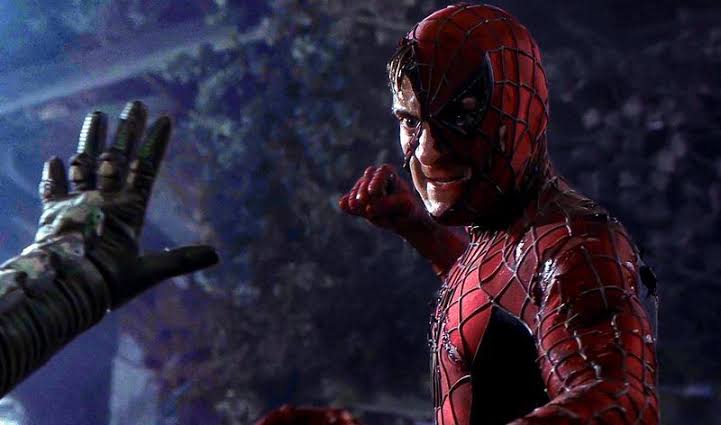
One of the trilogy’s most iconic visual motifs is also one of its simplest: the torn mask and suit. Throughout Raimi’s films, Spider-Man rarely emerges from battles looking pristine as his suit is ripped and his mask tears apart. His face becomes visible beneath the costume, revealing bruises, blood, exhaustion, and fear. These aren’t merely cool action visuals but emotional storytelling. Every ripped mask reminds us that Spider-Man isn’t an invincible superhero but just Peter Parker enduring unimaginable pain because he believes it’s the right thing to do. It isn’t Spider-Man fighting Green Goblin or Doctor Octopus. It is the shy, broke, awkward kid from Queens “just trying to do better”.
3. Responsibility Is the Soul of the Trilogy
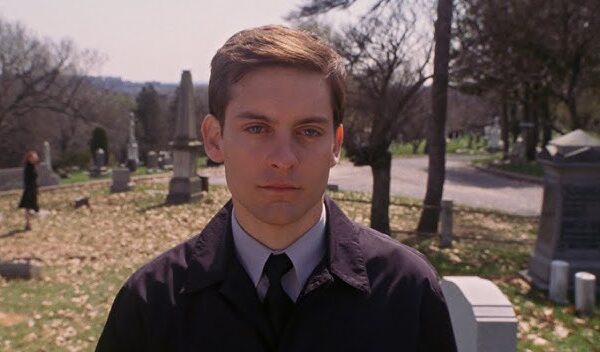
No live-action Spider-Man has carried the burden of responsibility quite like Tobey Maguire. The famous line, “With great power comes great responsibility,” has been spoken in multiple Spider-Man adaptations but whenever audiences hear those words, many still instinctively picture Tobey Maguire. That’s because responsibility isn’t treated as dialogue in Raimi’s films but as his destiny. Peter stumbles, questions himself, grows tired, and at times, he even wants to walk away from being Spider-Man altogether. But regardless of how much life beats him down, he always finds the strength to do what he knows is right.
Uncle Ben and Aunt May aren’t merely supporting characters but Peter’s moral compass as their teachings continue to guide him long after tragedy strikes. This constant weight of responsibility is also why Peter’s temporary arrogance under the influence of the symbiote in Spider-Man 3 feels so uncomfortable. It isn’t simply because he’s acting differently but because it feels fundamentally wrong for the Peter Parker we’ve spent years empathizing with. Which makes the ending all the more powerful. When Peter opens the chest, rediscovers his classic suit, and Danny Elfman’s responsibility theme swells once again, it feels less like a superhero putting on a costume and more like a man accepting the burden he was always meant to carry.
4. Danny Elfman’s Score Is As Iconic As It Gets
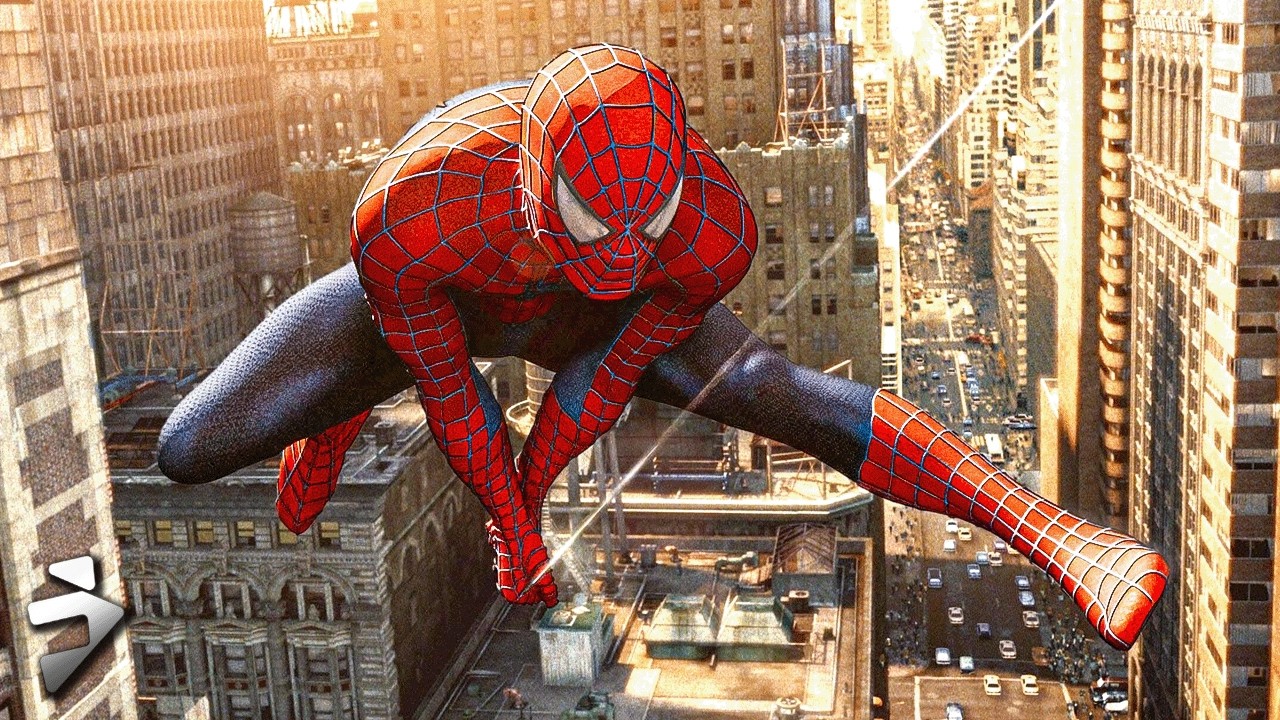
Spider-Man has been blessed with remarkable and legendary composers over the years. James Horner brought emotional elegance to Andrew Garfield’s world, Hans Zimmer injected modern energy into The Amazing Spider-Man 2, and Michael Giacchino wonderfully captured Tom Holland’s youthful optimism. But Danny Elfman’s score remains iconic. His music feels magical, mythical, hopeful, tragic, and heroic all at once. The main Spider-Man theme surges forward with soaring brass and strings, creating an overwhelming sense of momentum and elevation. Every swing across New York feels liberating because the score convinces us that Spider-Man truly is watching over the city.
Elfman also understands villains just as well. The Green Goblin’s theme feels manic and terrifying, perfectly reflecting Norman Osborn’s fractured psyche. Doctor Octopus receives a more tragic musical identity that emphasizes the humanity still buried beneath the mechanical arms. Yet it’s during the quiet moments that Elfman’s brilliance truly shines. Whether Peter is mourning, sacrificing, or simply staring out across New York, the music captures an emotional vulnerability that few superhero scores have ever matched.
5. New York & Its Citizens As A Character
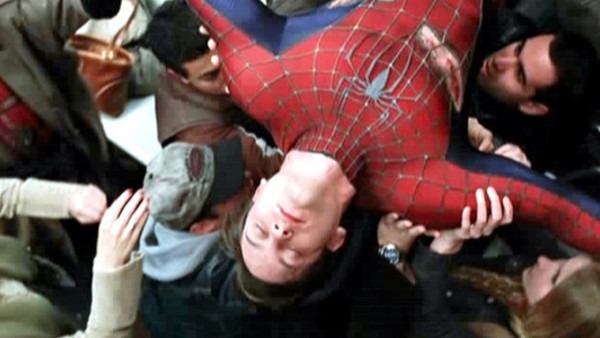
Perhaps no superhero film has ever loved its city quite like Raimi’s Spider-Man loves New York. The city isn’t simply where the story happens but actively participates in it. Raimi presents a tactile, lived-in New York filled with brick apartments, autumn streets, elevated trains, bustling sidewalks, and ordinary people trying to get through another day. It feels imperfect, gritty, romantic, and undeniably human.
More importantly, its citizens believe in Spider-Man. They stand up to the Green Goblin on the Queensboro Bridge, they swear to preserve Peter’s identity and protect him from Doc Ock on the train, they cheer him on, and they understand the sacrifices he makes even when he receives nothing in return. It is not just Spider-Man who saves New York but New York saves him too. It feels like home! That relationship gives the trilogy a warmth that few modern superhero films have replicated. By the end, you don’t just believe in Spider-Man but also in the goodness of ordinary people.
Final Thoughts
Every live-action Spidey has brought something unique to the character but Sam Raimi and Tobey Maguire created something that feels larger than a superhero franchise. They created a deeply human story about loneliness, sacrifice, responsibility, hope, and perseverance where Peter Parker always came before Spider-Man. Perhaps that’s why these films continue to endure decades later. Beneath the spectacular web-swinging, unforgettable villains, and iconic action lies Peter Parker who never felt like an untouchable superhero but like one of us.
If you have any questions regarding Spider-Man, feel free to ask in the comments below. For more content, stay tuned. As usual, like, subscribe, and share our articles as we here are trying to build a community of people High on Cinema!